A single tile held his full weight — and maybe the future of clean energy
Kyle Field stood on a curved solar roof tile in Shenzhen, jumped up and down, and didn’t crack a smile — because the tile didn’t crack either. The Jackery Solar Roof, designed to mimic traditional terracotta, isn’t just durable. It’s symbolic: a quiet revolution in how we power our lives, one resilient, energy-generating tile at a time.
This moment in China echoes a broader shift unfolding across continents. In the U.S., solar power generated more electricity than coal for an entire month — the first time in history. In May 2026, solar delivered 12.8% of the nation’s electricity, edging past coal’s 12.2%, according to data from Ember. That 45.5 terawatt-hours wasn’t just a milestone — it was a message.
And it happened while using just 0.07% of America’s prime farmland, as a new SEIA map reveals. Meanwhile, suburban sprawl consumes six times more agricultural land, golf courses nearly three. Solar isn’t stealing farmland — it’s sharing it, with dual-use projects supporting pollinators, grazing, and family farms.
The machines are learning — from each other
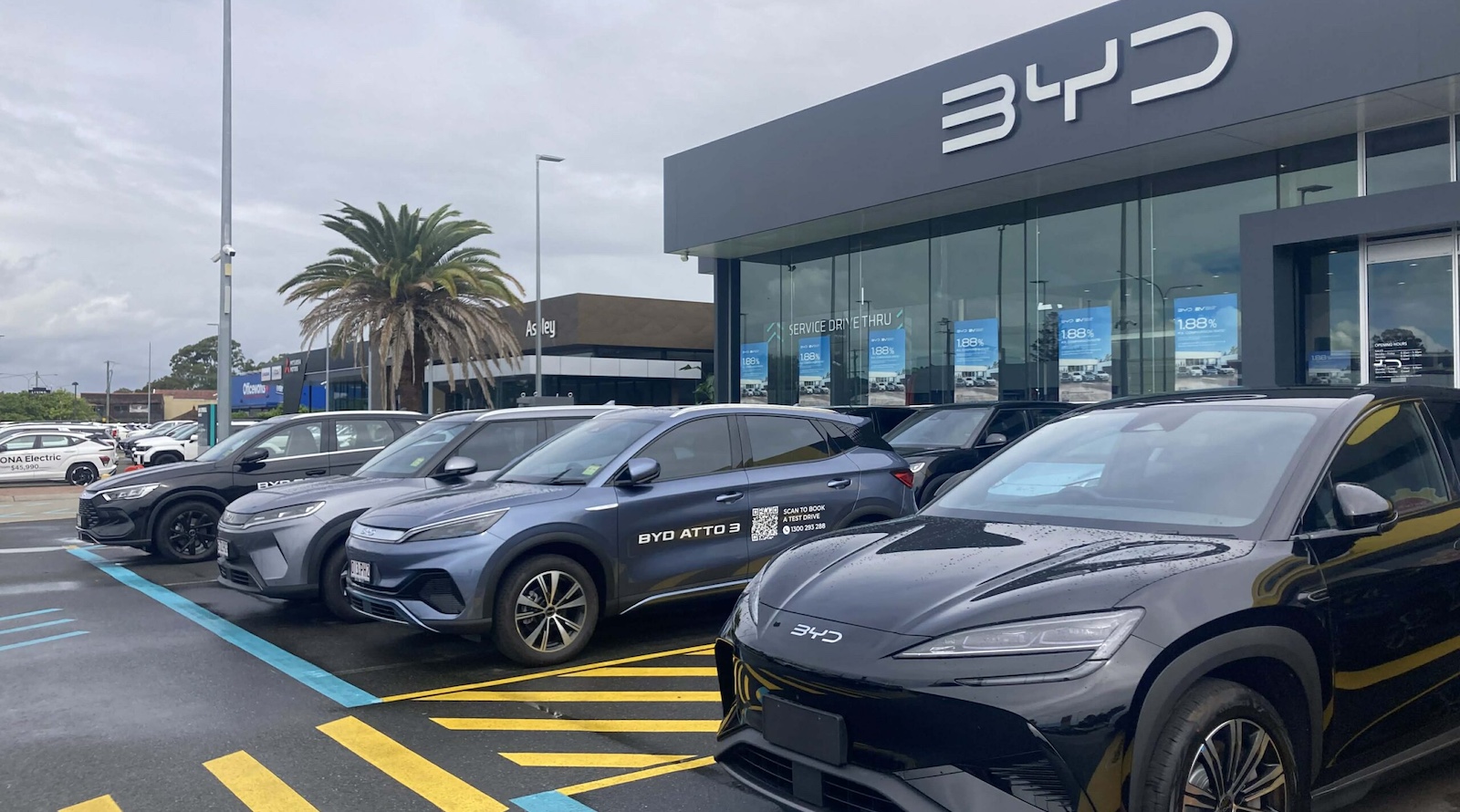
Even Tesla, long seen as the EV pioneer, took notes. Former president John McNeill revealed the company drew inspiration from BYD — the Chinese automaker once mocked by Tesla fans as cheap and boring. But BYD’s disciplined reuse of hidden parts — same heat pumps, same motors across models — saved costs and boosted scale. Tesla followed: 75% of the Model Y’s parts overlap with the Model 3.
That same pragmatism is now shaping how we manage EV charging. Wallbox’s new Pulsar Pro integrates MID-certified metering directly into the charger, eliminating the need for extra hardware. Why? Because 80% of EV charging happens at home, work, or depots — and 60% of new car registrations in the EU are corporate vehicles. Reimbursement needs to be simple, accurate, automatic.
Towing the line — with a battery
One driver proved electric trucks can haul travel trailers across 21 states, from New Mexico to the Outer Banks, through mountains and deserts, logging 9,000 miles. The verdict? Electric towing works — but only with big batteries. The Hummer EV, once laughed at for its massive pack, made the physics possible. The mechanical capability is flawless. The infrastructure? Still catching up.
Meanwhile, in Spain, families are saving €10 a month on electricity bills — not by cutting usage, but by cutting out gas. Ember reports that gas now sets power prices in only 9% of hours in 2026, down from 52% in 2021. Wind and solar grew 37% in five years, shielding households from global oil shocks, like those triggered by conflict in the Strait of Hormuz.
Growth without the smoke
This is the new math of progress: economies grow, but fuel demand doesn’t follow. For most of the 20th century, GDP and fossil fuels rose together. No longer. Electrification, efficiency, and slowing population growth are breaking that link. The machinery of growth no longer requires the machinery of combustion.
From Shenzhen rooftops to Spanish savings, from American farmland to transcontinental road trips, the pieces are fitting together. The transition isn’t coming — it’s here. And it’s not just about technology. It’s about smarter design, shared learning, and systems that work for people, not just profits.
The future isn’t loud. It’s quiet, efficient, and already underfoot.
Sign in to join the conversation.
Comments (0)
No comments yet. Be the first to share your thoughts.