When the Phone Became a Beacon of Hope
In a scene that will replay in highlight reels for generations, eleven men from an island nation the size of a small American city huddled on a pitch in Houston, eyes fixed on a single glowing screen.
Cape Verde—ten specks of volcanic rock in the Atlantic Ocean, population 525,000—had just held Saudi Arabia to a goalless draw. But math, not goals, would decide their fate. They needed Spain to beat Uruguay. So they waited.
"Tears of pride and joy all around the stands," recalled BBC Radio 5 Live commentator Rob Law. "There was a beautiful moment where they were all huddled around waiting on their phones, waiting for the full-time whistle to go. When it did, tears flowed on the pitch and in the stands. What a moment. The moment of the World Cup so far."
A Nation Half a Million Strong Takes On the Giants
Cape Verde's journey to the knockout stage reads like a sports movie script. They drew 0-0 with Spain in their opener, where 40-year-old goalkeeper Vozinha became an overnight legend. They battled to a 2-2 draw with two-time World Cup winners Uruguay. And when the final whistle blew confirming they'd finished Group H runners-up, the Blue Sharks earned something no team their size had ever claimed: a date with defending champions Argentina in the last 32.
How does a nation smaller than the borough of Queens manufacture footballing miracles? The answer lies in the diaspora. Cape Verde's football federation made a deliberate choice to tap into the global community of Cape Verdean descendants, finding talent scattered across Portugal, the Netherlands, and beyond. "It's incredible what they are doing," said Spain's former World Cup winner Juan Mata on ITV. "It wasn't just one game against Spain, it is three games at the highest level."
Meanwhile, across the tournament, England secured their own passage to the knockout rounds before facing Panama, sitting on four points from wins over Croatia and a draw with Ghana. Senegal demolished ten-man Iraq 5-0 at Toronto Stadium in a statement victory, with Ilimand Ndiaye and Ismaila Sarr each recording a goal and an assist. Switzerland topped Group B despite losing to Canada, while both nations advanced.
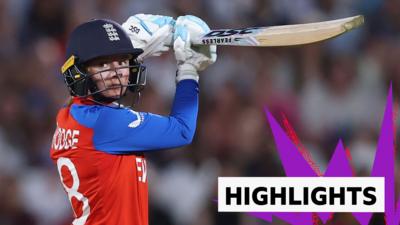
In cricket, England women's team echoed their football counterparts' knockout success, with Danni Wyatt-Hodge smashing an unbeaten 89 to knock defending champions New Zealand out of the T20 World Cup at The Oval. South Africa cruised past the Netherlands in Bristol, with Tazmin Brits hitting a superb century.
The Little Engines That Could
What unites these stories isn't just the advancing—it's the audacious nature of it. Cape Verde beat five-time African champions Cameroon to even reach the World Cup. England, still rebuilding after their 2022 heartbreak, navigated a group that could have gone sideways. Senegal's 5-0 thrashing announced they won't be an easy out.
And in 2026, Vancouver will host FIFA Fan Festivals at the PNE's Freedom Mobile Arch, screening live games and celebrating the beautiful game's knockout drama. The world will gather to watch small nations dream big.
Cape Verde's players don't have the budgets, facilities, or population of their opponents. What they have is a federation that thought creatively, a diaspora that answered the call, and a group of islanders who believed a 525,000-person nation could compete with the planet's best.
They were right.
The knockout rounds await—and so does Argentina.
Sign in to join the conversation.
Comments (0)
No comments yet. Be the first to share your thoughts.