Pau swings her white cane through the humid air of Mexico City, her son’s hand clasped tightly in hers. Rain taps against the bus stop as they prepare for the two-hour journey across the capital—not for a doctor’s appointment or school, but for football. At the edge of a worn pitch, she joins her teammates on Chilangas FC, Mexico’s pioneering women’s blind football team. Here, Pau isn’t defined by her disability. She’s a player, a role model, a woman reclaiming her place in a sport that long excluded her.
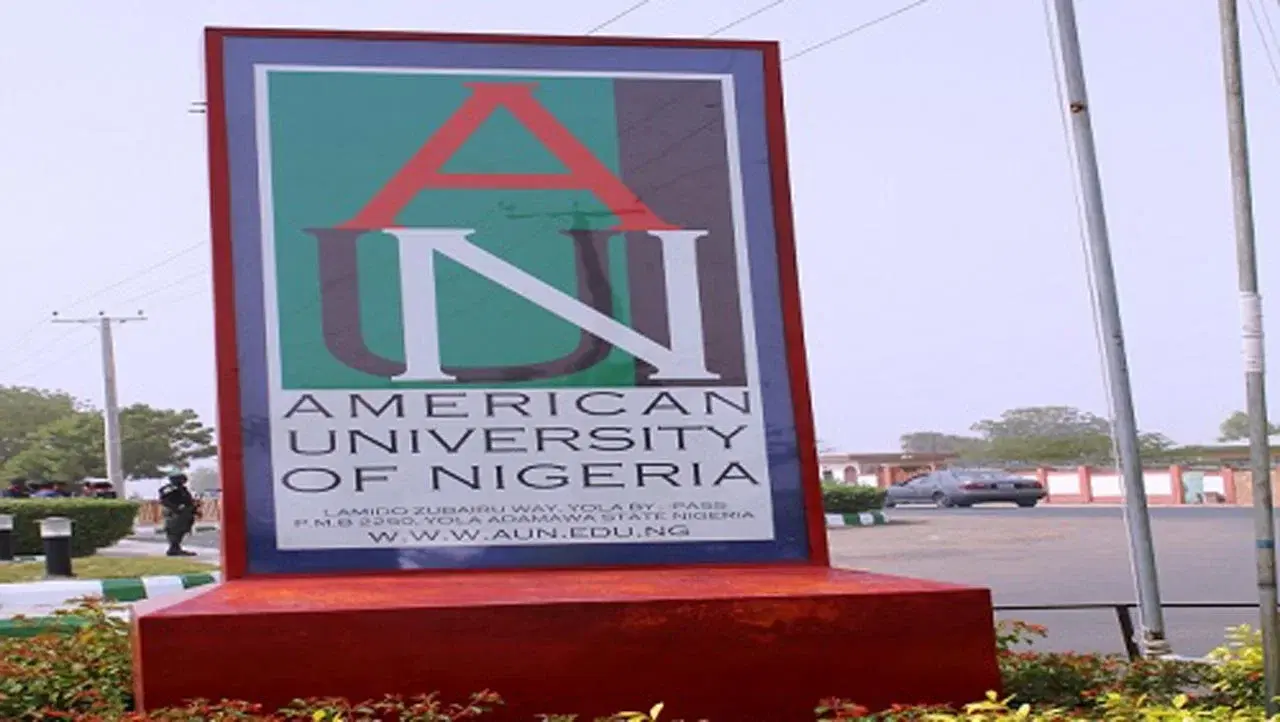
Half a world away, in rural northeastern Nigeria, another kind of game is transforming lives. At the American University of Nigeria (AUN), youth from Muslim and Christian communities once divided by suspicion now come together to play football through the Peace through Sports program. Led by former president Margee Ensign, AUN has turned sport into a bridge—helping heal communities scarred by Boko Haram’s violence while teaching over 20,000 displaced children to read through its radio-based TELA initiative.
Sport, it turns out, is more than entertainment. It’s a language of belonging.
In England, that language is being spoken on cricket grounds and in newsrooms. When sports reporter Mark Dexter was reunited with a wallet lost over 30 years ago—found in a forest near Rawdon with its 1992-93 Leeds United membership card still inside—it wasn’t just nostalgia that surfaced. It was a reminder of how deeply sports embed themselves in our identities, stitching memories into the fabric of our lives.
Meanwhile, the England women’s cricket team stormed into the T20 World Cup semi-finals with a 38-run victory over the West Indies at Lord’s, posting the highest score in women’s T20 history at the iconic ground. Their dominance wasn’t flawless—six dropped catches marred an otherwise commanding performance—but their momentum is undeniable.
Across the Irish Sea, Sri Lanka’s Chamari Athapaththu blazed an unbeaten 106, the tournament’s highest score, to crush Ireland by nine wickets and keep her team’s semi-final hopes alive. For Ireland, the loss stings, but the presence of such high-stakes matches on their soil signals progress in a sport still growing in the region.
And then there’s Antoine Semenyo—London-born, Ghanaian at heart—whose journey from non-league football with Bath City to representing Ghana on the world stage mirrors the unpredictable power of second chances. Once ready to quit after rejections from Arsenal and Crystal Palace, he found belief in a trial at Bisham Abbey, where coach Hockaday saw not just talent, but a boy searching for purpose. Now, he could face England in the World Cup—a full-circle moment written in cleats and courage.
Even beyond the pitch, creativity thrives. In Minneapolis, artist Lilyan Lauzon built a Mini Art Vending Machine at Inkwell Booksellers, where for just $1, anyone can buy a mystery piece of art made by local creators. Nearly 3,000 pieces have sold, each one a tiny act of connection. Artists report commissions and new fans—proof that small doors can open big futures.
And for young people seeking meaning in a fractured world, AIESEC offers a different kind of passage: volunteering abroad. Since 1948, the youth-led organization has sent thousands of 18- to 30-year-olds on cross-cultural projects tied to the UN’s Sustainable Development Goals. As one volunteer puts it, ‘The reason why conflict starts is that people don’t understand each other.’ So they go—into classrooms, conservation sites, and communities—to build understanding, one handshake at a time.
From a blind football pitch in Mexico City to a vending machine in Minneapolis, from Lord’s Cricket Ground to a radio classroom in Nigeria, people are rewriting the rules of connection. They’re proving that whether through sport, art, or service, the most powerful force in the world isn’t victory—it’s participation.
Sign in to join the conversation.
Comments (0)
No comments yet. Be the first to share your thoughts.