The Quiet Revolution in Health Science
In a lab at Edith Cowan University, a vial of blood holds more than cells and plasma—it contains a sugar code, invisible to the naked eye, that could predict diabetes a decade before symptoms appear. These tiny molecules, called glycans, coat every cell in your body like microscopic barcodes. For years dismissed as mere decoration, they’re now emerging as powerful messengers of health and disease.
"Glycans aren’t just sitting there," says Professor Wei Wang, who leads the Suboptimal Health and Glycomics research group. "They're actively controlling how our immune system works and how diseases develop." Unlike DNA, which remains largely static, glycans shift in real time—responding to diet, stress, pollution, and the earliest whispers of illness. The study, published in Nature Chemical Biology, found glycan patterns could forecast type 2 diabetes years in advance, offering a new era of preventive medicine.
This shift—from reaction to prediction—is echoing across the globe. In Europe, researchers are showing that early genetic screening for Li-Fraumeni syndrome (LFS), a rare inherited cancer condition linked to TP53 gene mutations, doesn’t just save lives—it saves money. The EU’s PREVENTABLE project found prevention costs are nine times lower than treatment. "We can catch cancer before it starts," said Marion Rolain of Rouen’s University Hospital, "and do it cost-effectively."
At the same time, scientists are rewriting what we thought we knew about disease mechanisms. At Niigata University, researchers discovered amyloid precursor protein (APP)—long blamed for Alzheimer’s—actually plays a protective role. When neurons suffer nuclear damage, APP helps expel toxic debris through lysosomal exocytosis. When APP fails, waste builds up, triggering inflammation and cell death. The finding, published in PNAS, reframes Alzheimer’s not just as a disease of buildup, but of failed cleanup.
Meanwhile, at the Medical University of Vienna, a new layer of complexity in colorectal cancer is unfolding. Targeted therapies often focus on blocking EGFR, a growth receptor on cancer cells. But the latest research, in Cell Death & Differentiation, reveals EGFR also manipulates immune cells in the tumor’s environment—specifically macrophages—suppressing the body’s own defenses. This means effective treatment may need to target not just cancer, but the corrupted immune ecosystem around it.
On the treatment front, a breakthrough radiopharmaceutical therapy is showing promise across 21 cancer types. By targeting fibroblast activation protein (FAP)—a marker abundant in many solid tumors—this approach delivered objective responses in two-thirds of nearly 90 patients. "FAP is rare in healthy tissue but overexpressed in cancers," said lead researchers from Curanosticum and the National University of Singapore. "That makes it a bullseye for precision radiation."
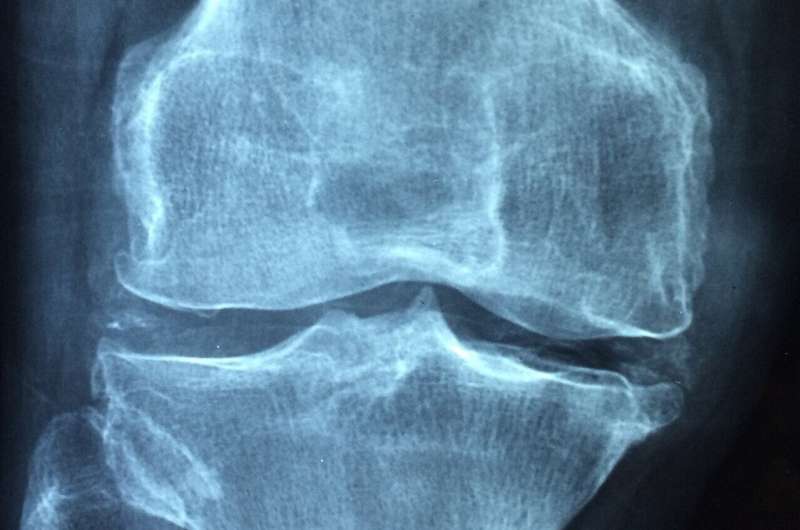
Even surgical decisions are being refined by long-term data. The KAT study, the longest randomized trial in orthopedics, followed over 1,700 patients for 20 years. Result? Resurfacing the kneecap during total knee replacement isn’t just effective—it’s the most cost-efficient option long-term, reducing chronic pain and repeat surgeries.
And sometimes, progress isn’t in a lab or operating room—but on TV. When The Pitt featured Freedom House Ambulance Service, the nation’s first Black-staffed EMS, awareness surged overnight. A University of Pittsburgh study in the American Journal of Health Promotion confirmed it: entertainment can educate, inspire, and spotlight buried histories of health equity.
Science isn’t just advancing in leaps—it’s weaving together genetics, economics, history, and biology into a richer understanding of health. The future isn’t just about curing disease. It’s about seeing it before it forms, treating the system, not just the symptom, and remembering that healing begins with recognition—of molecules, of patients, and of pioneers long overlooked.
We’re not waiting for illness anymore. We’re learning to listen to the body’s quiet warnings—and finally, we’re starting to understand.
Sign in to join the conversation.
Comments (0)
No comments yet. Be the first to share your thoughts.