The Electric Revolution Has Found Its Second Gear
The 2026 Gaikindo Indonesia International Auto Show in Tangerang wasn't just a car show. It was a declaration of intent.
At a gleaming booth in August, Beijing Automobile Works unveiled its M8 electricMPV with a 505-kilometer range and a 45-minute fast charge. Just meters away, DFSK launched its right-hand-drive E5 Plus plug-in hybrid SUV for Southeast Asian markets. American basketball star Paul George appeared in XPENG promotional content, marveling at the G9L's "next level" innovation on RedNote. Three Chinese manufacturers, one Indonesian expo, zero hesitation.
What's unfolding in Southeast Asia is a masterclass in market capture. BAW is building a knock-down assembly plant in West Java to serve right-hand-drive markets across the region. DFSK is targeting markets where charging infrastructure remains patchy, offering flexible plug-in powertrains as a bridge. The strategy is no longer export-and-ship; it's localize-and-dominate.
"The accelerated deployment of wind and solar, plus supportive policy environments such as REPowerEU, meant that by 2025 the two sources generated 852TWh, more power than coal, gas and oil combined (760TWh)," according to the 75th Statistical Review of World Energy. European countries have cut tens of billions of euros in fossil fuel imports since Russia's invasion of Ukraine accelerated their renewable ambitions. Gas generation fell 15%; coal dropped 38%.
The energy grid is transforming too. U.S. battery storage capacity grew at an annual average rate of 70% over the last three years, reaching 43.6 gigawatts by the end of 2025. In just the first half of 2026, operators added another 8.3 GW, pushing the nation toward 52 GW of nameplate capacity. Plans filed with the Energy Information Administration show another 54 GW expected online over the next two and a half years.
Meanwhile, the world's largest battery maker is thinking beyond cars. CATL's aviation battery—with an energy density of 350 Wh/kg—recently passed a critical safety test, intentionally triggering adjacent cells without thermal runaway. The Civil Aviation Administration of China witnessed the trials. It's the world's first prismatic-cell aviation battery to clear such hurdles, clearing the runway for electric eVTOL aircraft to meet civil aviation standards.
Even the gas station is getting reimagined. In China, BYD partnered with Sinopec's 30,000-service-station network to deploy ultra-fast charging directly alongside fuel pumps. Shell has Recharge. Total is now Total Energies. The petrol station is becoming something unrecognizable: a multi-modal power hub.
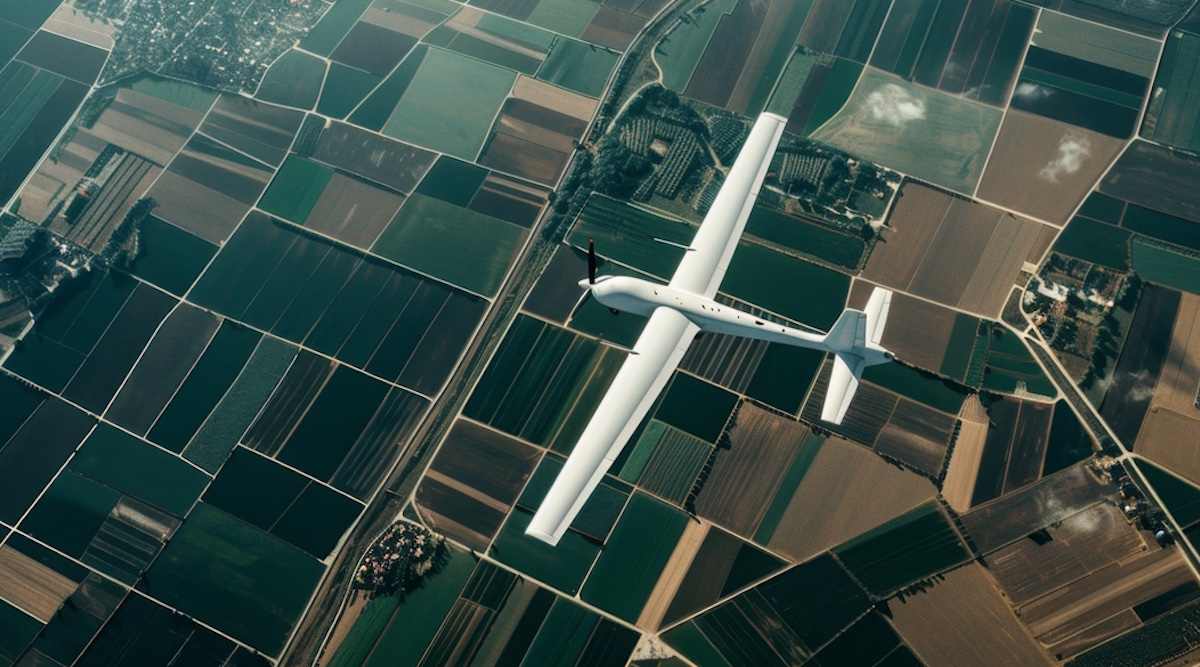
In Warsaw, researchers at the Technical University are using solar irradiance data to extend the flight time of solar-assisted drones for environmental monitoring and search-and-rescue missions—proving that clean energy touches even the skies above us.
The numbers tell a story of acceleration. The market entries, the factory announcements, the battery breakthroughs—they're not isolated events. They're interconnected proof that the electric transition has shifted from aspiration to execution. The question is no longer whether the energy system will change, but how fast it's already changing.
Sign in to join the conversation.
Comments (0)
No comments yet. Be the first to share your thoughts.