Across seven continents and dozens of policy chambers, the International Labour Organization is having a remarkably consequential spring. From the classrooms of Mali to the inspection units of Ukraine, from the tripartite workshops of Yerevan to the governance halls of Geneva, a wave of decisions and initiatives is reshaping how the world protects its workers — and the people behind the work.
A Governing Body in Motion
The 356th Session of the ILO's Governing Body, held in April 2026, has proven to be one of the more action-packed in recent memory. According to records of decisions published in late March, the Governing Body has moved on multiple fronts simultaneously — endorsing a new Human Resources Strategy for 2026–29, approving the outline of a fresh Action Plan for Gender Equality, and issuing rulings on longstanding compliance cases involving Venezuela and Bangladesh.
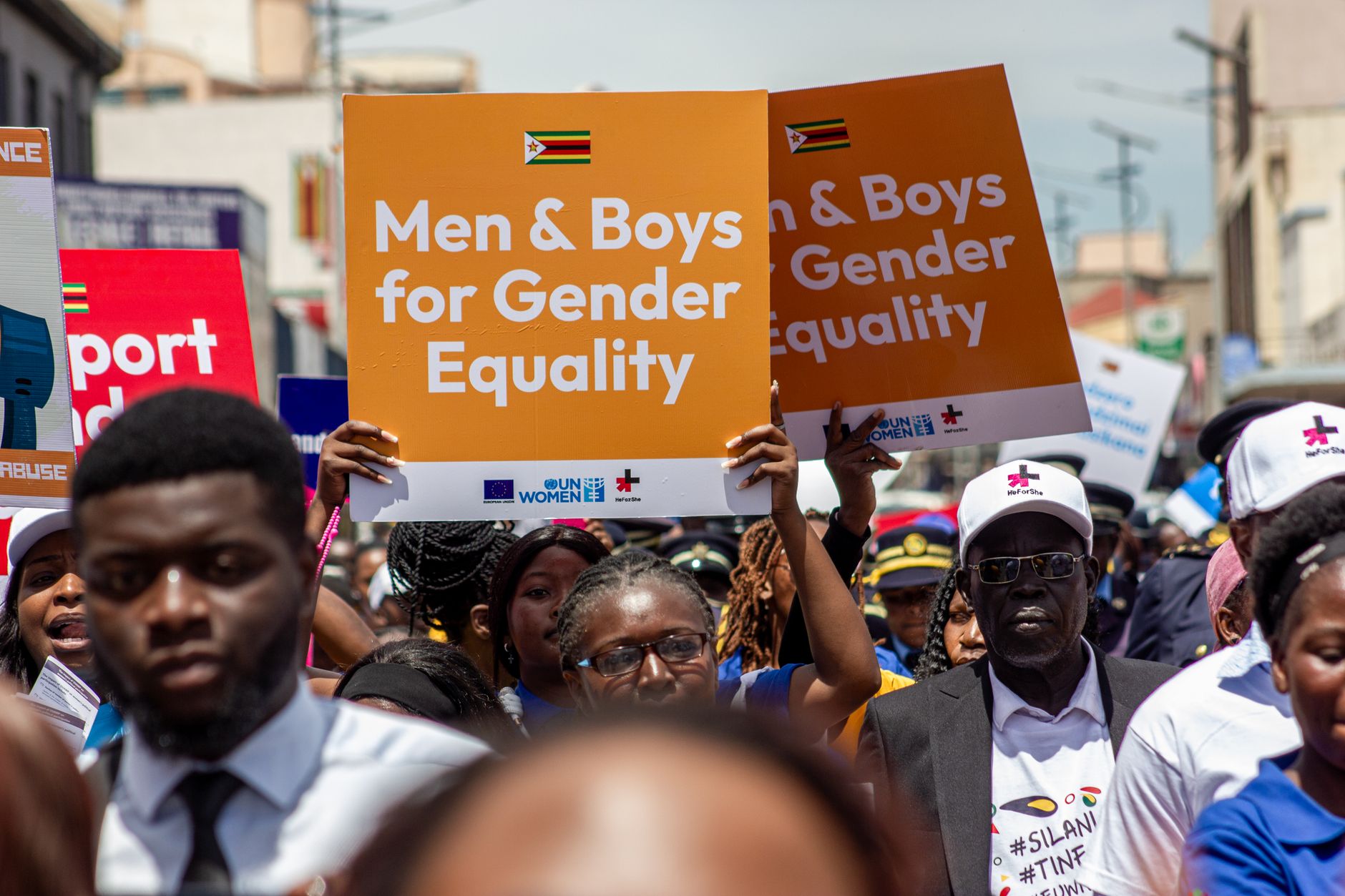
The Gender Equality Action Plan decision is particularly notable. Having reviewed the results of the 2024–25 plan, the Governing Body requested the Director-General to take the initiative forward into a new four-year cycle through 2029 — a signal that gender equity is not a box to be checked, but a structural commitment embedded in the ILO's institutional DNA.
The newly endorsed Human Resources Strategy for 2026–29 complements this direction, setting the internal architecture needed to live up to external ambitions. Institutions, after all, can only be as progressive as the people and systems within them.
Accountability on the Global Stage
Two of the session's most closely watched decisions involved Venezuela and Bangladesh — both countries under scrutiny for their compliance with foundational ILO conventions.
In Venezuela's case, the Governing Body examined developments in the full implementation of an agreed plan of action linked to recommendations from a Commission of Inquiry concerning Conventions Nos. 26, 87, and 144, which cover minimum wage machinery, freedom of association, and tripartite consultation respectively. The situation remains under active monitoring, reflecting the ILO's sustained pressure for concrete progress.
In Bangladesh, the Governing Body reviewed progress on a road map addressing an Article 26 complaint concerning non-observance of Conventions Nos. 81, 87, and 98 — covering labour inspection, freedom of association, and collective bargaining. Bangladesh's engagement with the road map process represents a significant, if still ongoing, chapter in one of the world's most scrutinised garment industries.
Armenia Looks to Strengthen Social Protection
In a quieter but deeply meaningful development, Armenia has been deepening its engagement with ILO Convention No. 102 — the landmark Social Security (Minimum Standards) Convention of 1952. According to ILO News, Yerevan hosted consultations and a tripartite workshop in March 2026, bringing together government, employer, and worker representatives to evaluate pathways toward possible ratification or closer alignment with the convention's standards.
Social protection floors are among the most powerful tools for reducing poverty and inequality. Armenia's steps, however incremental, illustrate how countries can move from awareness to action through structured dialogue — and how the ILO's technical cooperation model can quietly unlock significant change.
Building Better Labour Inspection in Wartime Ukraine
Perhaps no story from this cycle is more striking than Ukraine's. Despite the ongoing pressures of war, the ILO has supported eight Ukrainian labour inspectors in an Open Source Intelligence (OSINT) training programme, held in Bratislava, Slovakia from 30 March to 1 April 2026. The training, conducted in partnership with the European Labour Authority (ELA), equips inspectors with digital tools to detect labour violations — including undeclared work, trafficking, and exploitation — even in environments where physical inspection is constrained.
That Ukraine is investing in labour inspection capacity during wartime speaks to a resilience that goes beyond the battlefield. It is a statement about the kind of country Ukraine intends to rebuild.
Mali's Voice on Child Labour
Meanwhile, from the African continent, Mali's tripartite delegation returned from the 6th Global Conference on the Elimination of Child Labour with renewed energy and concrete commitments. According to an ILO article published in March 2026, voices from classrooms to supply chains were represented — a reminder that ending child labour is not an abstract policy goal but a lived urgency for millions of families.
Mali's participation underscores that progress on child labour requires not just legislation, but community ownership, employer accountability, and worker solidarity working in concert.
Governance as Foundation
Running beneath all of these developments is a quieter institutional thread: the ILO's ongoing efforts to democratise its own governance, including an update on the status of ratification of the 1986 Instrument for the Amendment of the ILO Constitution. More inclusive governance isn't a procedural footnote — it is the foundation upon which every other commitment rests.
Taken together, the ILO's spring 2026 agenda offers something rare in global affairs: a coherent, multi-level vision of human dignity at work, advancing on many fronts at once.
Sign in to join the conversation.
Comments (0)
No comments yet. Be the first to share your thoughts.