From Virginia to the Visayas, the Clean Energy Revolution Has Found Its Rhythm
On a decommissioned coal site in Naga, Cebu, workers are breaking ground on something that would have seemed impossible a decade ago: a 60-megawatt battery facility replacing the very infrastructure that once powered the island. The old Naga Power Plant Complex, which once burned coal and diesel, is becoming a clean energy hub. By year's end, those 120 megawatt-hours of storage will help shield Cebu from the rolling blackouts that have plagued the Visayas region for years.
That scene—old energy dying, new energy taking its place—is playing out across the planet in 2026. And it's not happening gradually.
The Numbers That Stopped a Nation
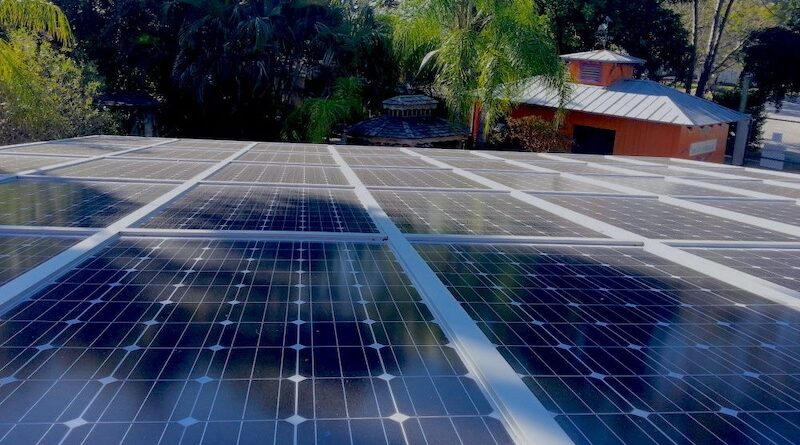
In the United States, solar and storage didn't just grow—they dominated. In the first quarter of 2026, these two technologies accounted for 91% of all new electricity generation capacity added to the grid. Solar has held the crown as America's largest new electricity source for five consecutive years, but storage is now charging past it, with utilities and investors choosing these resources because they're both the lowest-cost and fastest-deploying options available.
The milestone that made headlines: for the first time ever, solar generated more electricity than coal in May 2026. In Virginia—a state experiencing some of the fastest electricity demand growth in the country, driven largely by hungry data centers—lawmakers responded with one of the nation's most comprehensive energy packages, making it easier to deploy solar and storage while expanding access to affordable electricity. California's legislature moved similarly, along with at least four other states, as governors from both parties arrived at the same conclusion: solar and storage are the most reliable tools for meeting surging demand while keeping bills down.
But It's Not Just Happening Here
Half a world away, the Philippines is making a bet on clean energy that skips the fossil fuel phase entirely. The Department of Science and Technology is moving electric vehicle technologies from university laboratories into active street and waterway operations. The M/B Dalaray—an aluminum catamaran developed with the University of the Philippines Diliman—became the country's first entirely domestically manufactured electric passenger ferry. DOST Secretary Renato Solidum Jr. noted that years of state investment in domestic electric transport research have reached "a critical maturation point," offering immediate cost reductions while cutting emissions in congested urban corridors.
Meanwhile, Aboitiz Power Corporation isn't just building batteries in Naga. The company has entirely decommissioned and demolished the old coal and diesel units at that site to make room for the clean energy transition. This follows a broader pattern across the central Philippines: coal is losing its grip, and giant batteries are moving in.
The Other Electrification Stories
At the Port of Long Beach—one of the nation's busiest trade gateways—policy language still says "zero-emission," but the capital plan tells a clearer story. Chargers, electrical infrastructure, and electric cargo-handling equipment are extending the power grid into terminal operations. Hydrogen remains in the vocabulary, but the funding is going electric. The shift matters: while Long Beach once hosted Toyota's hydrogen fuel-cell trials and a facility producing 1,200 kilograms of hydrogen daily, the current investment pattern reveals where deployment is actually heading.
Australia, long a world leader in rooftop solar adoption, is now tackling a new challenge: the explosion of AI data centers and their enormous appetite for electricity. The solution is elegantly straightforward: large data centers must now secure their own new clean energy supply. It's a policy that ensures the grid isn't drained by new digital infrastructure—and that Australia keeps its clean energy momentum intact.
Even the ocean is joining the story. Researchers at the National Laboratory of the Rockies have been refining the HERO WEC—a wave energy converter that uses power from waves to desalinate seawater. After hundreds of hours of testing across in-lab programs and ocean installations, the team is retiring version one and building a better charge controller to address a critical industry challenge: making wave energy reliable and deployable at scale.
The Roadblock in the Way
It's not all smooth sailing. SEIA estimates that political attacks on solar have put over 450 projects at risk, representing more than 36% of all planned new power capacity in the United States. A Department of the Interior memo from last year imposed new reviews on solar project permits, requiring Secretary-level approval for projects on federal land. The result: projects are taking longer to build just as demand reaches record levels. Industry advocates are pushing hard for permitting reform to unleash the full potential of American solar and storage.
The Inflection Point
Here's what 2026 is teaching us: the clean energy transition isn't a distant promise anymore. It's the data center powering your AI app. It's the battery replacing that coal plant you drove past last summer. It's the ferry crossing a Philippine river without a drop of diesel. It's the wave-powered desalination system being tested off a coast you've never visited.
The question now isn't whether clean energy will dominate the future. It's whether we'll clear the bureaucratic roadblocks fast enough to get there.
Sign in to join the conversation.
Comments (0)
No comments yet. Be the first to share your thoughts.