The World Cup, The Classroom, and the Human Capital Revolution
In a sun-drenched Atlanta stadium, over 70,000 fans are on their feet. England versus Argentina. The Three Lions are 90 minutes from their first World Cup final since 1966. But as the world watches this storied rivalry unfold, a quieter kind of building is happening elsewhere—investing in people, communities, and futures that stretch far beyond any scoreboard.
At Millcreek Elementary in Fayette County, 75 students are deep into a summer literacy program called Springboard. Every morning, children receive targeted reading instruction. Every Thursday, their families arrive for workshops on supporting learning at home. "Literacy is one of the greatest gifts we can give a child," says Sharon Mofield-Boswell, director of Family and Community Engagement. "Families are our most important partners in making that possible."
Meanwhile, in Abuja, Nigeria's President Bola Tinubu unveiled $3.05 billion in World Bank-backed programs designed to lift millions out of extreme poverty. The initiatives—NG-CARES, SOLID, and the Human Capital Opportunities for Prosperity and Equity (HOPE) programs—aim to strengthen education, healthcare, and community resilience across the nation. "These are not just programmes; they are promises kept," Tinubu said at the Presidential Villa. "We are building a Nigeria where extreme poverty is banished."
Across the Atlantic, a different kind of investment is taking place. The 2026 Sports Humanitarian Awards gathered athletes and changemakers in New York City to honor those using sport as a force for good. Stephen Curry received The Muhammad Ali Sports Humanitarian Award. Laurie Tisch was celebrated for her $10 million Play to Thrive initiative. The Baltimore Ravens were named Sports Humanitarian Team of the Year. All proceeds supported the V Foundation for Cancer Research.
And back in the classrooms and playing fields of America, the Gatorade Player of the Year program continues its 40-year tradition of recognizing not just athletic excellence, but academic achievement and community service. Grady Emerson—a 2026 MLB Draft prospect—delivered holiday meals to senior citizens through his parents' home care company while maintaining an A average. Since 1985, the program has given $6.4 million to more than 2,200 community organizations.
This year's winners—Emerson, Caroline Stanton, Marcus Jackson, Maddie DiMaria, Melanie Doggett, and Zacchaeus Brocks—join an elite group that once included LeBron James, Peyton Manning, and Paige Bueckers. For the first time, national winners can also work with Gatorade Sports Science Institute researchers to optimize their performance.
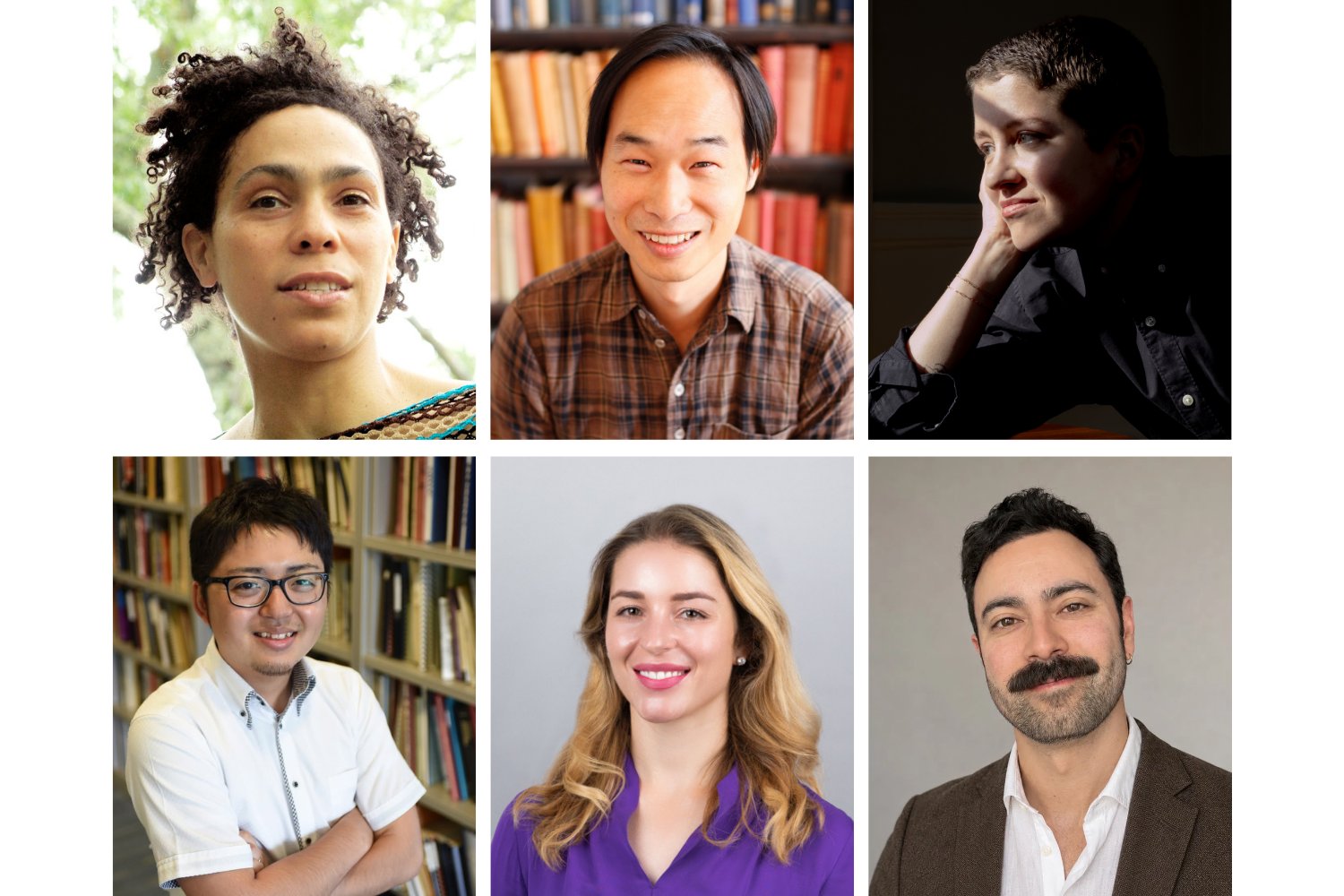
At MIT, six new faculty members joined the School of Humanities, Arts, and Social Sciences, bringing expertise in digital media, music technology, and ecological systems. Grisha Coleman, a renowned sound artist and researcher, arrived from Northeastern University. Tung-Hui Hu, author of "A Prehistory of the Cloud," joined as an associate professor in Comparative Media Studies.
And in England, as the Three Lions face Argentina once more, there's a sense that history is not just being watched—it's being made. The weight of 1998, when David Batty's penalty miss sent England home, still lingers. But this generation has a chance to write a different story.
The Threads That Connect Us
What links a World Cup semi-final to a summer reading program? What connects a $3 billion poverty initiative to a teenager volunteering at a senior care home?
They all represent the same bet: that investing in people—through sport, education, health, and community—creates compounding returns that outlast any tournament or news cycle.
Whether it's England chasing glory on the pitch or a child in Fayette County sounding out their first chapter book, the game being played is the same. It's the long game of human potential. And this year, more players are stepping onto the field than ever before.
Sign in to join the conversation.
Comments (0)
No comments yet. Be the first to share your thoughts.