A 12-year-old’s fistful of hair. A stadium full of fans with trash bags. A debutant bowler’s thunderous first wicket.
These weren’t the moments expected to define the week’s headlines. But in Conwy, Wales, on a sun-drenched beach, 12-year-old Tamika didn’t wait for a lifeguard. When her friend Sofia-Ann was dragged under by the tide—and seized underwater—Tamika lunged, grabbed a fistful of her friend’s hair, and pulled her to shore.
“She put herself in more danger than I can even imagine,” her mother told the BBC. Sofia-Ann survived, her lungs drained, her life saved by a girl who acted before fear could set in.
Half a world away, in Dallas, another kind of rescue unfolded. Not of bodies, but of dignity. After Japan’s 2-2 draw with the Netherlands in the FIFA World Cup, something extraordinary happened: hundreds of Japanese fans stayed behind. Armed with trash bags, they cleaned their section of the stadium—cups, wrappers, banners—while the players themselves left their locker room spotless. No one asked. No one ordered. It was simply what they do.
As one fan told Good News Network: “We are guests in this country. We must leave it better than we found it.”
Meanwhile, in Malmö, Sweden, a new train line began its first journey—360 miles of coastline, forests, lakes, and medieval towns rolling past the windows as Snälltåget launched its direct service to Oslo. No carbon-heavy flights, no highways carved through wilderness. Just a quiet, elegant way to travel, connecting cultures without tearing up the earth.
And at The Oval in London, cricket carried its own quiet redemption. England, reeling from the Ben Stokes nightclub controversy, took the field without their captain or star bowler. Joe Root led a reshuffled side—three debutants, questions swirling. But Sonny Baker, 20 years old, bowled Rachin Ravindra for 33, claiming his first Test wicket. Later, Jacob Bethell took two with his left-arm spin. New Zealand ended day one at 291-7, and the next day, Glenn Phillips—once a T20 specialist—reached his maiden Test century, a gritty 108 not out, as both teams played not just for points, but for pride.
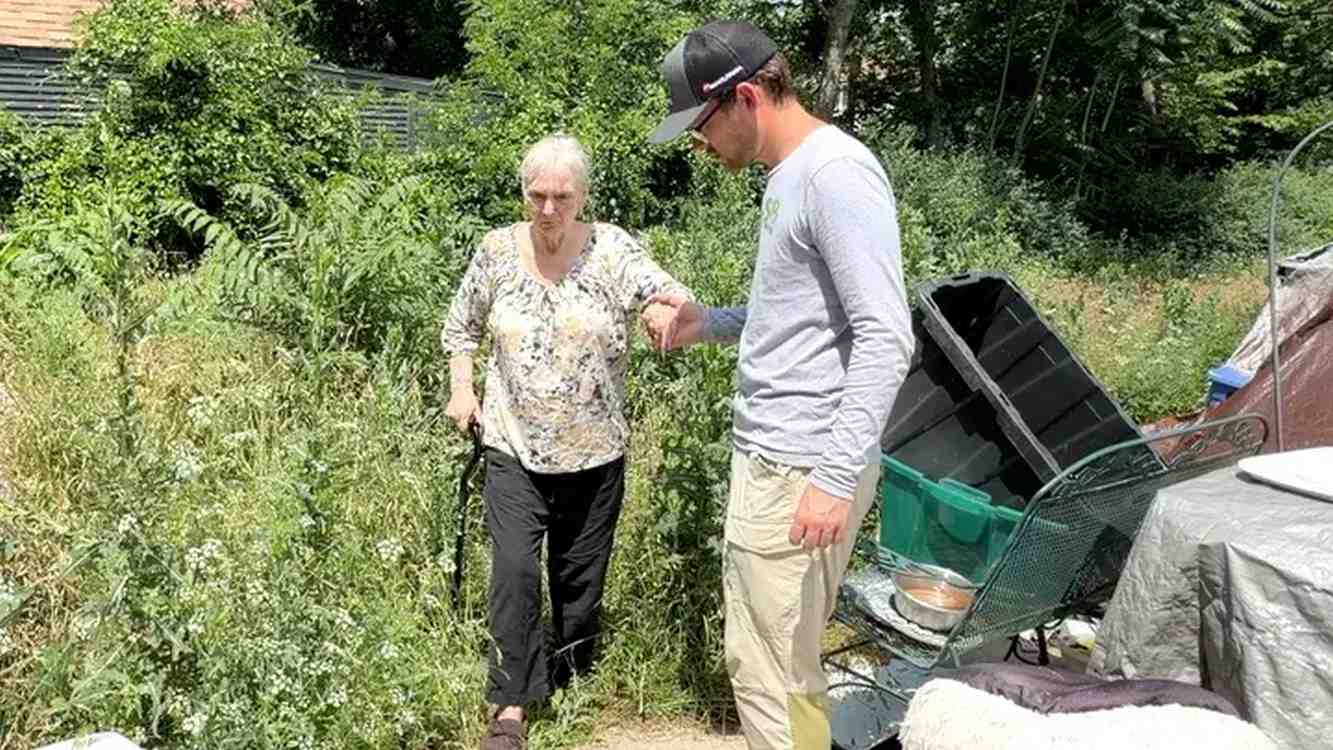
Then there was Spencer, the social media star who mows lawns. When an Uber driver noticed 68-year-old Debbie—grieving, broke, three months behind on rent—she reached out. Spencer showed up, filmed the overgrown yard, and launched a GoFundMe. In days, $685,000 poured in. Enough to clear her debts, fix her car, and buy groceries for months.
“I just wanted to help,” Spencer said. “But this? This is bigger than mowing.”
And in classrooms from Nairobi to New York, students picked up paintbrushes, not protest signs. Through Students Rebuild’s ‘Unique & United’ campaign, over 100,000 young people created art exploring identity and belonging. Each piece unlocked funding—$1 million total—for groups like Choose Love, which supports refugees across the UK.
One child’s drawing of two hands clasping across a border helped fund a shelter in Calais. Another’s quilt, stitched from fabric scraps of different nations, paid for trauma counseling in Athens.
These stories didn’t dominate the algorithm. They didn’t come with outrage or doom. But they happened. All in the same week.
Not instead of suffering, but alongside it. Not as escapes, but as proof: kindness is scalable. Courage is contagious. And hope isn’t passive—it’s mowed, drawn, bowled, and carried home in trash bags.
We don’t need to wait for permission to leave things better than we found them.
Sign in to join the conversation.
Comments (0)
No comments yet. Be the first to share your thoughts.