The Night the World Held Its Breath
A Cape Verde fan in the BBC studio leaps to his feet, arms wide, screaming in pure joy as his nation scores their first-ever World Cup goal. On the screen, the Blue Sharks—a team from a nation of just 525,000—battle Uruguay to a 2-2 draw, their second shock result in as many games.
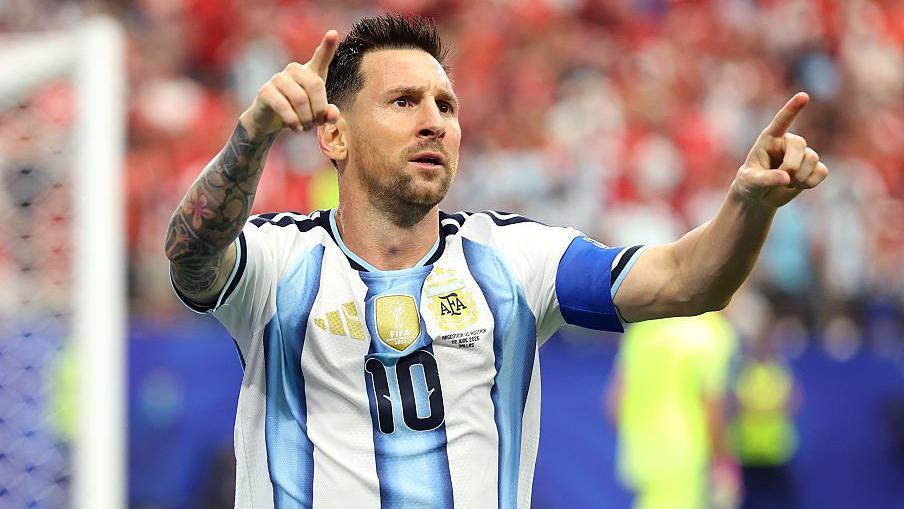
Meanwhile, in Vienna, Lionel Messi curls a left-footed shot into the top corner. Two days before his 39th birthday, he scores his 17th World Cup goal—then adds a second—to become the tournament’s all-time leading scorer. A decade after retiring from international football in heartbreak, he’s now rewriting history.
This isn’t just Messi’s story. It’s the story of Mohamed Salah, 34, ending Egypt’s 92-year World Cup drought with a goal and an assist against New Zealand. It’s Iran, playing under war conditions, travel bans, and cancelled friendlies, still holding Belgium to a draw. They’re unbeaten. They’re defiant. And they’re not done yet.
These moments aren’t flukes. They’re proof that resilience, belief, and joy still shape the world’s game.
Messi, once broken by four final losses in nine years, reversed his retirement and led Argentina to Copa America glory, then a World Cup title in 2022. Now, in 2026, he’s chasing the Golden Boot—again—after a hat-trick in the opener and two more against Austria. He’s scored in six straight World Cup matches, a feat matched by only two others in history. He’s not just playing; he’s redefining what’s possible in his late 30s.
And yet, the spotlight isn’t his alone. Cape Verde, ranked 112th, stunned Spain and held Uruguay, their goalkeeper Vozinha going from 40,000 to 15 million Instagram followers in days. Their run is one of the tournament’s great stories—not because they’re winning, but because they belong.
In the north of England, Olympic legends like Beth Tweddle and Steve Cram are backing a bold vision: a ‘Great North’ Olympics in 2040. They see sport not just as competition, but as renewal. “A national Games,” they say. “A moment of unity.”
There’s a thread here—a belief that sport can heal, unite, and surprise. Messi’s comeback. Egypt’s breakthrough. Iran’s defiance. Cape Verde’s joy. The north’s ambition.
These aren’t just wins. They’re declarations.
As Messi said after the Austria match: “I enjoy playing and having a good time on the pitch. We enjoy seeing the people like this too.”
The world is watching. And for once, it’s smiling back.
The Future is Playing
This tournament isn’t just about legacy—it’s about access. A fan in a BBC studio. A nation with no league. A star who refused to fade. They’re all part of the same story: that greatness isn’t reserved for the favorites. It’s claimed by those who keep showing up.
And as the World Cup unfolds, one truth becomes clearer—hope isn’t just possible. It’s contagious.
Sign in to join the conversation.
Comments (0)
No comments yet. Be the first to share your thoughts.