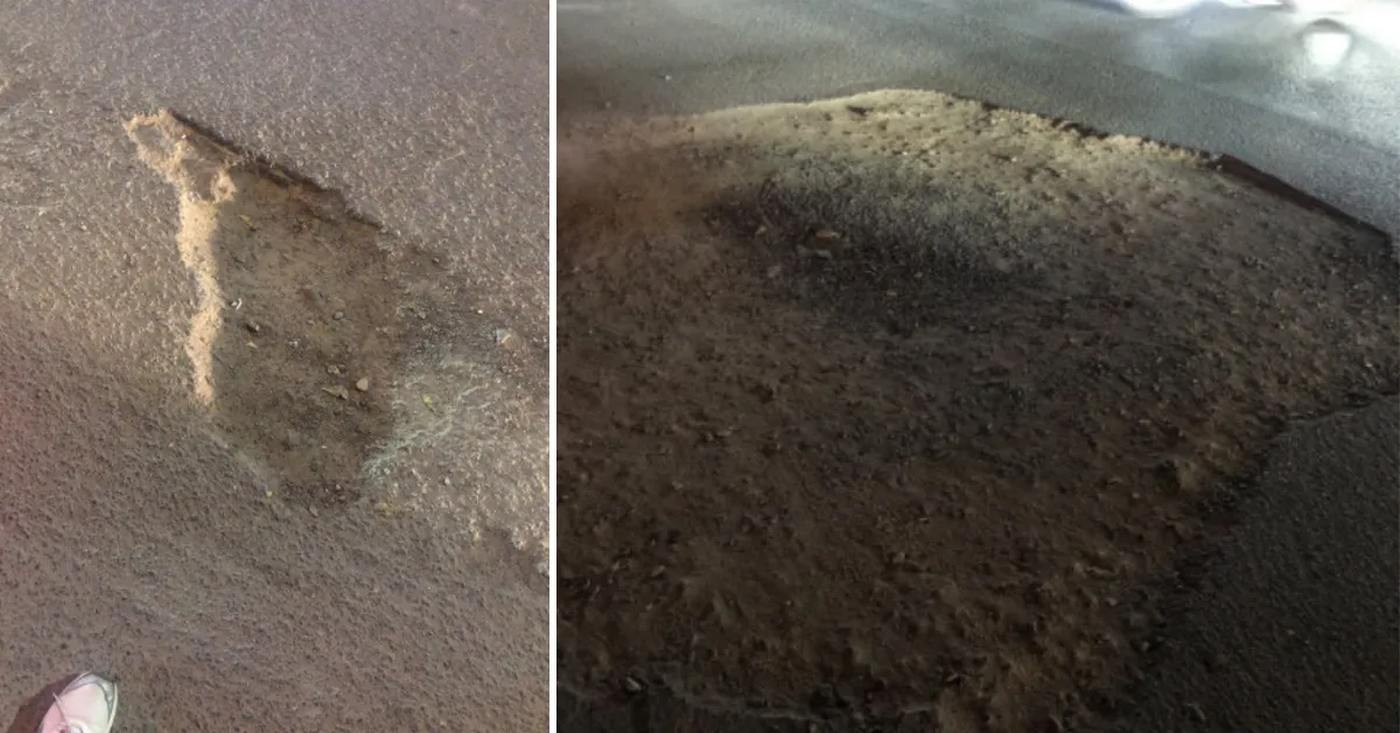
One night in New Delhi, Parth's parents were riding home on their motorcycle from a family celebration in Agra when they hit a pothole in the dark. Neither was seriously hurt, but the scare stayed with their 15-year-old son, who was already interested in science and technology. Instead of just moving on, Parth decided to build something that would help fix the problem.
That something is called Project Sadak. It's an app that lets anyone photograph a pothole, grade how dangerous it is, and automatically send a complaint to local government officials — without having to hunt for email addresses or figure out which office to contact. The word "sadak" means "road" in Hindi.
"The platform was built by me from scratch," Parth told The Better India. "Initially, yes, I started writing code, but as the complexity began to rise, I had to make use of AI."
Here is how it works: a user takes a picture of a pothole and uses the app's GPS function to tag its location. The photo gets uploaded to Project Sadak's servers, where AI checks that it actually shows a pothole. Then human reviewers confirm that the user's danger rating — severe, medium, or benign — matches what's in the image. The worst potholes flash red so they don't get buried under less urgent complaints. Once everything checks out, the app automatically drafts an email, applies the user's digital signature, and sends it to the relevant authorities in that part of New Delhi.
Parth admits the process was clunkier at first. "Initially, we were emailing the parties manually, but now the platform automatically writes an email and submits the report."
So far, users have reported 360 potholes through Project Sadak, and 11 of them have actually been fixed. Almost all of those repairs happened because Parth hired contractors through his father's construction business, since government agencies weren't moving fast enough. Still, one pothole reported in Bengaluru — a city far from New Delhi — was fixed even though the AI couldn't find the right contact information there. That small win suggested the idea could spread beyond one city.
Parth sees several gaps he wants to fill next. He wants the app to handle everything from photo to email with no manual steps at all, and he's working on a WhatsApp chatbot so people can report potholes without downloading anything. He's also planning to add a way to track whether reported potholes ever actually get repaired. Right now, users have to wait and hope — and there's no system in place to follow up if the government doesn't act.
It's a tall order for a teenager, but Parth seems used to doing things that surprise people.