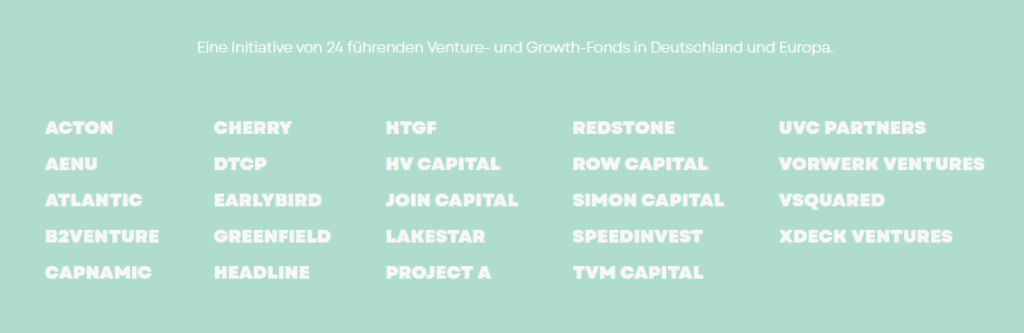
When Berlin-based startup founders pitch to investors, they often hear the same refrain: "Great idea—but where’s the follow-on capital?" Now, 24 of Europe’s most influential venture firms—including Earlybird, Lakestar, and HV Capital—are answering that question with a bold new alliance. They’ve launched the German Venture & Growth Forum, a coalition designed to bridge the country’s chronic gap in growth funding and ensure homegrown tech companies don’t have to look overseas to scale.
Germany has long been a powerhouse of innovation, with world-class research institutions and a steady pipeline of ambitious founders. Yet, despite producing breakthrough technologies, the country consistently lags in translating that potential into global giants. The reason? A persistent shortage of risk-ready capital. While U.S. pension funds and endowments have allocated to venture capital for decades, German institutional investors have remained cautious, leaving startups underfunded at critical stages. The Forum aims to change that by opening a direct channel between venture funds, institutional capital providers like insurance companies and pension funds, and policymakers in Berlin.
At the heart of the initiative is the German Venture & Growth Playbook, a comprehensive guide designed to demystify venture investing for traditional financial institutions. It outlines strategic allocation models, portfolio diversification tactics, and realistic return expectations over 10- to 12-year investment horizons. Crucially, it makes the case that venture capital isn’t just high-risk speculation—it’s a proven asset class with historical returns that rival or exceed traditional investments, especially when properly diversified.
The coalition includes heavyweights like High-Tech Gründerfonds, Speedinvest, and DTCP, all united behind a simple but powerful mantra: "Sovereignty needs capital. Capital follows returns. The two can be combined." They argue that Europe’s economic independence hinges on its ability to fund its own innovators. Without domestic capital to back startups through later-stage growth, promising companies will continue to be acquired early—or relocate entirely—depriving Germany of long-term value creation.
The potential impact is enormous. Even a modest increase in institutional allocations could unlock billions in new funding for German and European tech. This isn’t just about nurturing startups; it’s about building an ecosystem where companies like Northvolt, N26, or Lilium can mature into global champions without leaving home. As global tech financing rounds reach astronomical levels—from OpenAI to SpaceX—Europe can no longer afford to sit on the sidelines.
The Forum isn’t just another industry talk shop. It’s a call to action—for investors to embrace risk, for institutions to rethink asset allocation, and for policymakers to create a fertile ground for innovation. The talent is here. The technology is here. Now, with coordinated effort, the capital can be too.