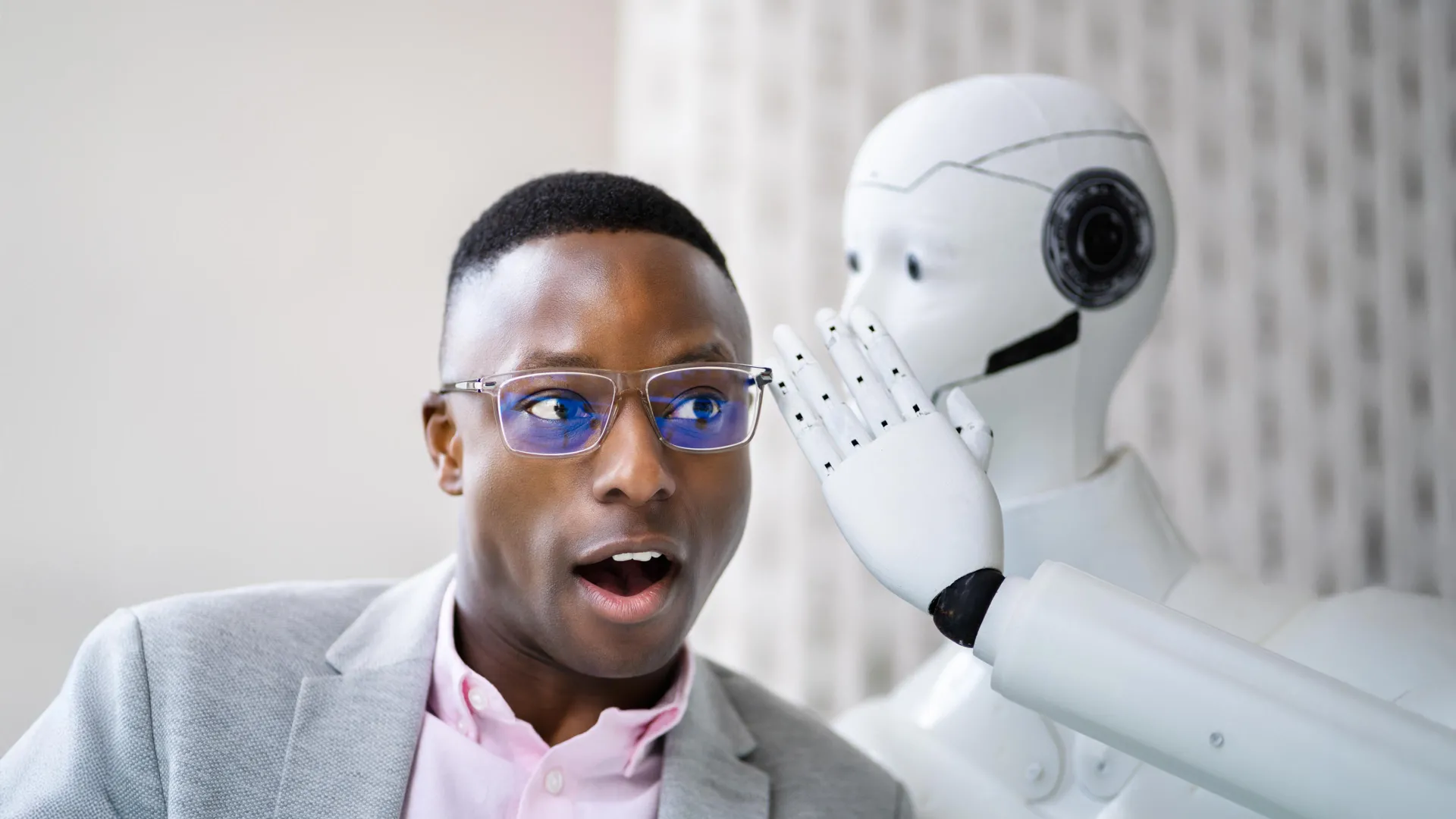
At the University of Vaasa in Finland, researcher Zhe Zhu has spent years asking a question that keeps millions of workers awake at night: Will artificial intelligence take my job? His doctoral dissertation offers an answer that may surprise anxious employees—not directly, but the technology itself could reshape how work gets done and who thrives in it.
Zhu's research into generative AI tools like ChatGPT and Gemini reveals something counterintuitive about workplace anxiety. Rather than paralyzing employees, concerns about AI can actually motivate them to learn new skills and become more adaptable in their careers. The key difference lies not in the technology itself, but in how workers perceive it. Those who view AI as a collaborative partner rather than a threat report higher engagement and greater career resilience.
"As NVIDIA CEO Jensen Huang has pointed out, workers are not simply being replaced by AI, but by those who have learned to use GenAI to work more effectively," Zhu explains in his dissertation. This distinction reframes the conversation entirely. The challenge isn't the machine; it's whether humans choose to work alongside it.
Trust emerged as the crucial variable in Zhu's findings. Workers who trust AI too much risk accepting inaccurate information without scrutiny, while those who reject the technology entirely may miss genuine productivity gains. Zhu argues that organizations must navigate this middle ground carefully, building what he calls the "AI-ready workplace"—one where strategic implementation matters far more than the algorithms themselves.
The eight-step framework Zhu proposes guides organizations from experimentation toward integrated, purposeful use of generative AI. This isn't about installing software; it's about addressing ethical concerns, managing data privacy, and establishing responsible governance while weaving AI into daily workflows. Successful adoption, his research suggests, depends on human decisions about how to deploy the technology, not on the technology's capabilities alone.
Looking beyond individual workplaces, Zhu sees a broader economic transformation unfolding—one he compares to previous industrial revolutions. Some jobs will disappear, he acknowledges, but entirely new industries and career paths will emerge around AI infrastructure, data centers, and digital services. History offers reassurance here: previous technological shifts that seemed catastrophic ultimately created more jobs than they destroyed, often in fields that didn't exist beforehand.
Born in China in 1982, Zhu earned a Master's degree in Industrial Systems Analytics from the University of Vaasa in 2021 and now works as a Grant Funded Researcher in Information Systems Science at the same institution. His dissertation, "Generative Artificial Intelligence in Organizations: Strategic Decisions and Human Adaptations," balances both the organizational and deeply human dimensions of AI adoption. He writes not as a technologist celebrating progress, but as someone who has carefully studied how real employees experience AI in their daily work.
The message for workers is clear: fear of displacement is understandable but misplaced. The real question is whether you'll learn to use these tools critically and develop your skills alongside them. The future of work isn't about choosing between humans and machines. It's about choosing whether to learn the new language AI is writing into the workplace—because someone else certainly will.