When Dr. Scott Tagawa tells his prostate cancer patients they have a new option at diagnosis instead of waiting until their disease becomes resistant to treatment, he knows what a difference that makes.
"Now our patients can get 177Lu-PSMA-617 at diagnosis and don't have to wait until they develop resistance to the backbone therapies," said Tagawa, a medical oncologist at Weill Cornell Medicine in New York. His team led a massive clinical trial that may change how thousands of men are treated for metastatic prostate cancer that has spread beyond the prostate gland.
The phase 3 trial, called PSMAddition, enrolled more than 1,100 patients at 169 hospitals in 20 countries. Half received the standard two-drug therapy combined with a targeted radionuclide drug — a special kind of treatment that uses radiation to hunt down cancer cells. The other half received only the standard therapy. Those who got the three-drug combination saw their cancer progression delayed by 28 percent compared to those on standard care.
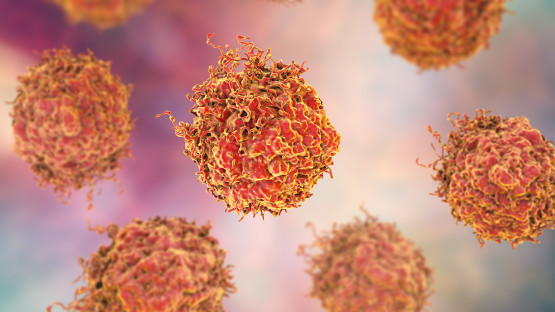
The treatment works by targeting a protein called PSMA that sits on the surface of prostate cancer cells. About nine out of 10 patients with metastatic prostate cancer have tumors that carry this protein. The drug latches onto PSMA and delivers a dose of radiation directly to the cancer while largely sparing healthy tissue. Patients receive it through an IV every six weeks.
The results, published in the medical journal The Lancet, led the U.S. Food and Drug Administration to approve early use of the drug in late July. Previously, it was only approved for patients whose cancer had already become resistant to other treatments.
Side effects were more common with the triple therapy, which researchers expected. The most frequent was dry mouth, affecting 46 percent of patients who received the new drug. Fatigue was also common, a typical side effect of both radiation and hormonal therapy. Patients need to take some safety precautions at home to avoid exposing family members to radiation.
Tagawa said the therapy is not yet available everywhere. Only specialists in nuclear medicine or radiation oncology can administer it, and patients need special imaging scans to determine if their tumors are PSMA-positive. That means patients in rural areas or regions with few specialized centers may need to travel. But he noted that several targeted therapy options now exist for metastatic prostate cancer, and new imaging agents help doctors catch cancers earlier and match patients with the right drug.
"We can find tumors we couldn't see before," Tagawa said. "We now have multiple drugs that delay metastatic prostate cancer progression."
The research builds on more than two decades of collaboration between Weill Cornell Medicine, NewYork-Presbyterian, and Memorial Sloan Kettering Cancer Center. Tagawa and his colleagues continue analyzing the trial data to understand longer-term outcomes. For many patients, the wait for better treatments may finally be over.