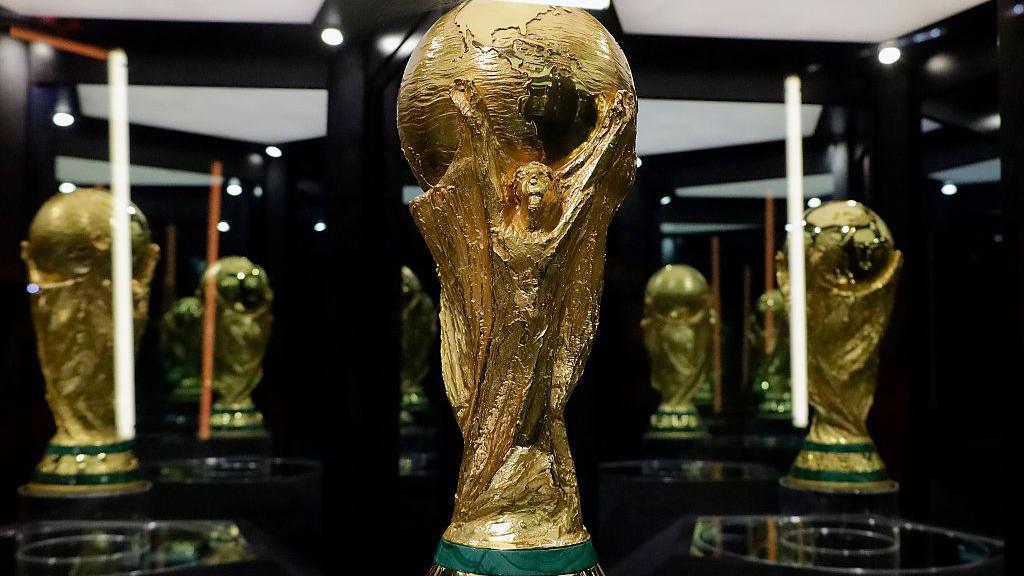
The BBC has solved one of modern sports-watching's great frustrations: the fear of accidentally discovering the World Cup score before you've seen the highlights. The corporation has launched a dedicated spoiler-free service at bbc.co.uk/nospoilers, giving UK viewers a way to catch up on every match without learning who won before the first ball is kicked in the replay.
For anyone who has wrestled with the impossible choice between staying up for late-night matches or risking spoiler alerts the morning after, this feels like a genuine gift. The page links directly to a World Cup highlights section on BBC iPlayer, curated specifically to shield viewers from scores and results while still letting them relive the action.
The approach is refreshingly thoughtful about what counts as a spoiler. The BBC acknowledges that some information is simply unavoidable—if a match was a "seven-goal thriller," for example, viewers might piece together that something dramatic unfolded. But the spoiler-free service stops short of revealing winners and final scores. It's a careful balance between keeping surprises intact and trusting audiences with the basic arithmetic of context clues.
The mechanics are straightforward. UK viewers can bookmark bbc.co.uk/nospoilers and visit it directly whenever they're ready to catch up. Those watching BBC iPlayer on their television can navigate to the World Cup destination page. Meanwhile, the BBC's main coverage continues as usual across BBC Sport's website and app, as well as the standard World Cup page on iPlayer—for those who prefer to know the stakes before diving in.
What makes this particularly clever is that it acknowledges a genuine gap in how sports coverage typically works. Traditional broadcast schedules assume viewers are either watching live or actively avoiding information. The BBC's solution recognizes a third category: people who are genuinely trying to preserve the experience of watching a match unfold in real time, even hours after it happened. That's a worthwhile shift in thinking about how fans actually consume sports.
The service also subtly makes a case for rewatching highlights as a form of genuine entertainment rather than mere recap. A well-edited seven-minute highlight package can capture the rhythm and drama of ninety minutes of play. Sometimes that's better than the live experience, and sometimes it's worse—but the BBC is giving people the chance to find out for themselves without knowing the ending first.
Of course, as the BBC dryly notes, there's a trade-off. A viewer following this path might spend seven minutes watching highlights of a 0-0 draw, which is its own kind of anticlimactic surprise. But that risk seems worth the preservation of genuine suspense, especially when major tournaments run across so many time zones that live-watching becomes genuinely exhausting for much of the audience.
It's a small feature, but it reflects something larger about how institutions are adapting to modern habits. The BBC isn't just broadcasting World Cup matches; it's acknowledging that the experience of fandom now includes countless decisions about when and how to engage with information. A spoiler-free highlights service is one practical answer to that reality.