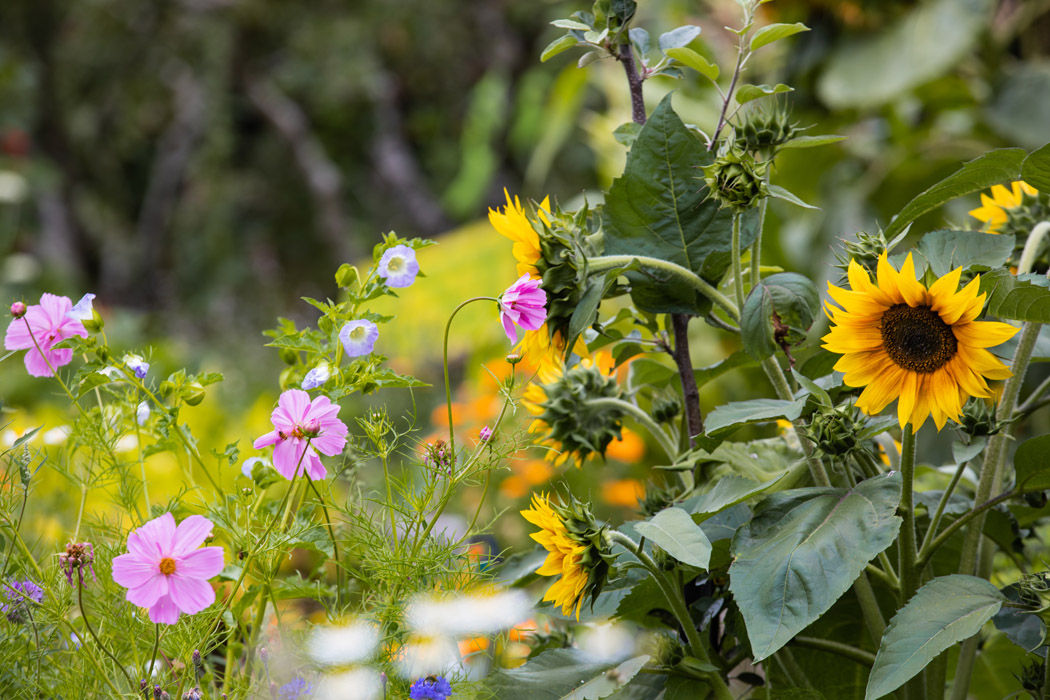
On a crisp morning in Christchurch, students and staff at the University of Canterbury gather in rubber boots and sunhats, hands deep in soil, planting kumara and kale at Te Ngaki o Waiutuutu — one of two vibrant community gardens blooming across campus. Just a short walk away, at the Dovedale campus, another patch of earth thrives with tomatoes, herbs, and laughter. These are not just gardens. They are classrooms without walls, meeting places without schedules, and pantries without price tags.
In a world where food comes wrapped in plastic and connections feel increasingly digital, the UC community gardens offer something rare: real dirt, real food, and real human contact. They are part of a growing movement in Christchurch, where about a dozen community gardens now dot the city, feeding both bodies and spirits. But here, at the heart of a university, they also serve a deeper purpose — teaching sustainability, nurturing well-being, and growing more than just vegetables.
Te Ngaki o Waiutuutu on the Ilam campus and the Dovedale Community Garden are run by and for the university community. Students, lecturers, and staff all roll up their sleeves to plant, weed, and harvest. The produce is shared freely, with fresh organic food going straight into kitchens across campus and beyond. There’s no charge, no membership fee — just a simple rule: pitch in, learn, and share.
The gardens align with a clear vision: "a thriving garden that cultivates both food and minds, fostering education, sustainability, and a sense of belonging for all." Their mission is just as grounded — to teach sustainable gardening, create inclusive spaces, and help people grow food and friendships together. Workshops on composting, seed saving, and organic pest control draw curious minds year-round. For international students far from home, the gardens offer a taste of familiarity and a place to belong.
The benefits go beyond the harvest. Studies show that time in green spaces reduces stress, and here, many come not just to garden, but to breathe, reflect, and reconnect. Social bonds form over shared tools and shared stories. A quiet student might speak up while watering lettuce; a shy staff member might lead a planting day. These moments, small but meaningful, are the roots of community.
As cities grow denser and climate challenges deepen, spaces like these become more vital. They prove that even in academic settings, learning doesn’t stop at the lecture hall door. With every seed sown, the UC gardens show how simple acts of growing can feed not just people, but hope.