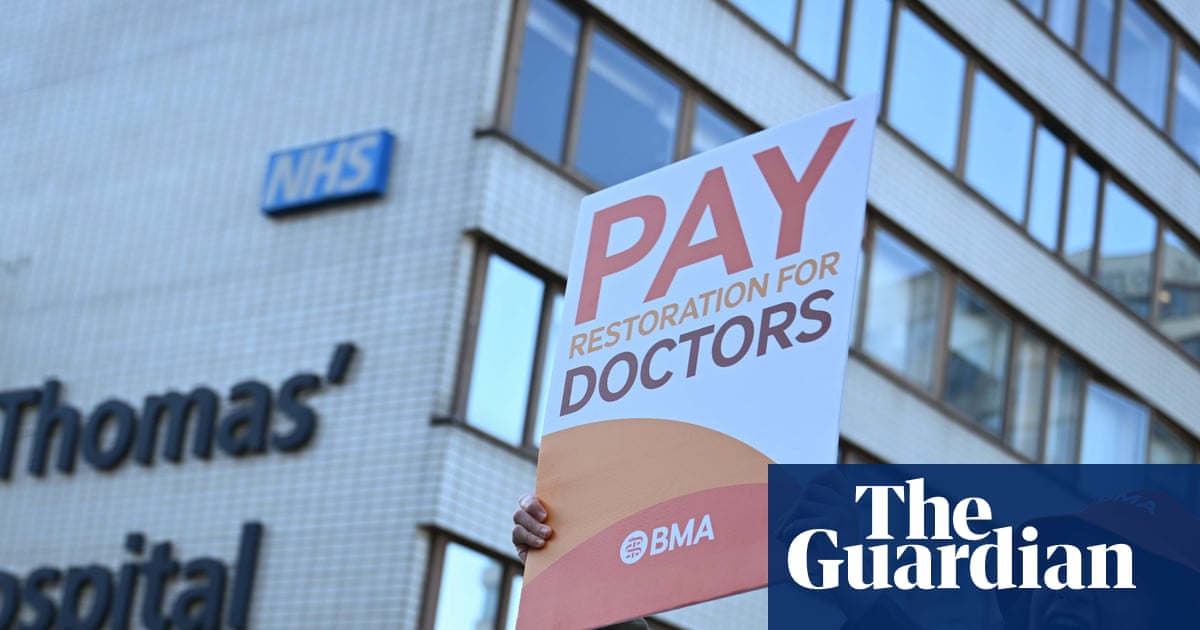
For two days this month, England’s consultant doctors were preparing to limit their work to emergency care. Now their planned 25 and 26 November strike is on hold, opening a chance for formal talks with the government instead.
The pause matters to patients as well as doctors. Had the strike gone ahead, consultants would have provided emergency care only, likely delaying many routine appointments and planned treatments. The British Medical Association (BMA), which represents doctors, said the action was paused to allow negotiations. The decision gives both sides time to discuss the dispute while NHS staff prepare for a challenging winter.
The conflict followed 18 months of talks that failed to produce agreement on key issues. Consultants have pointed to a 25% fall in the real value of their salaries since 2009-10, despite receiving a 3.5% pay increase this year. The BMA has also raised working conditions, including a request for a 10% cut in working hours. Consultants voted in July to take industrial action, and the BMA announced the two-day strike after the earlier talks stalled.
The doctors say the dispute is not only about pay. The BMA has argued that consultants need enough time, recognition and support to care for patients and help secure the future of the NHS, without being pushed towards burnout. The planned action would have put pressure on services, but the pause creates space to test whether negotiation can address those concerns.
Health Secretary Yvette Cooper welcomed the decision, saying it would avoid disruption and let NHS staff focus on care and winter preparations. She said she had held “constructive” talks with the BMA’s consultants committee. Cooper also pointed to possible reforms that could give consultants a stronger voice, more flexibility and greater freedom to innovate, while improving services for patients. She said the government was committed to taking that work forward in the weeks ahead.
Dr Helen Neary and Dr Shanu Datta, co-chairs of the consultants committee, said they welcomed the opportunity to begin formal negotiations and hoped it would mark a turning point. They said the government had given assurances that there were no limits on what could be discussed, and that they wanted to hear proposals on both pay and working conditions. Their position leaves the next step with the government: bringing forward proposals that doctors consider serious enough to keep talks moving.
The pause is not a settlement, and the source of the dispute remains unresolved. But it removes the immediate threat of two days of disrupted routine care and gives both sides a defined opportunity to talk. Whether that opening leads to lasting progress will depend on what is put on the table in the coming weeks.