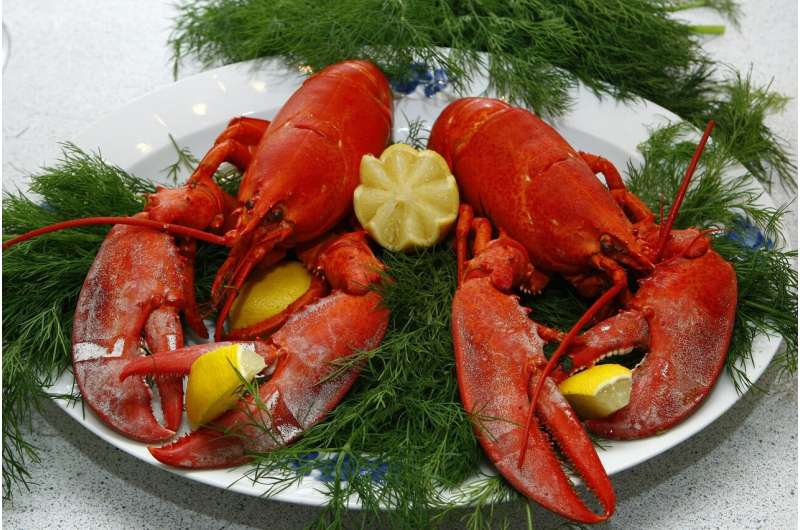
In a bustling seafood market or a coastal restaurant, a simple choice is quietly reshaping how we think about conservation: consumers are willing to reach deeper into their wallets for lobster caught in ways that save whales. A new University of Maine study found that people will pay an average of $3.42 more per lobster roll when that lobster is harvested using ropeless fishing technology—a shift that hints at how consumer values, marketplace forces, and animal protection can align.
The North Atlantic right whale population stands at just 356 individuals, with fewer than 100 reproductive-age females remaining. These massive, endangered creatures have long faced a quiet threat from traditional lobster fishing gear: vertical lines strung between underwater traps and surface buoys can entangle and kill them. While Maine's lobster industry—which supplies roughly 90% of the nation's lobster—has employed whale-protection measures for decades, including weak links and sinking lines, researchers wanted to understand whether consumers themselves might drive demand for even safer technology.
Qiujie "Angie" Zheng, an associate professor of business analytics at the University of Maine's Maine Business School, led the research with collaborators from the Gulf of Maine Research Institute and Texas A&M University. The team tested how different types of information influenced what people would pay for ropeless technology—gear that eliminates the traditional vertical lines that pose entanglement risks. The findings, published in the journal Marine Resource Economics, revealed something striking: when consumers learned about whale welfare and entanglement impacts, their willingness to support—and pay for—ropeless lobster increased significantly.
But the numbers weren't uniform across all audiences. Consumer attitudes toward the environment, prior knowledge of right whale entanglement, and familiarity with ropeless technology all shaped how much people were willing to spend. Messaging that centered on animal welfare and the whale conservation challenge proved most effective at shifting purchasing preferences. In other words, the story matters as much as the technology itself.
Zheng was careful to emphasize that these findings don't suggest Maine's lobster industry needs to overhaul its current practices. The existing protections—refined through decades of collaboration between fishermen, regulators, and scientists—have been crucial. Rather, the research illuminates a potential path forward: if and when ropeless technology becomes more broadly necessary, consumers appear ready to absorb part of the cost through their purchasing decisions. "Right whale conservation is a collective effort," Zheng explained. "In addition to the fishermen, regulators, and scientists, consumers play a role."
As environmental concerns increasingly shape what people buy, this research offers Maine's seafood sector a roadmap for communicating sustainability to increasingly conscious consumers. The findings suggest that transparency about the methods behind our food—and the stakes for endangered species—can actually strengthen both conservation efforts and market demand. When people understand that their $3.42 premium helps pull a magnificent, nearly extinct creature back from the brink, the transaction becomes something more: a shared commitment to a more thoughtful relationship with the natural systems that sustain us.