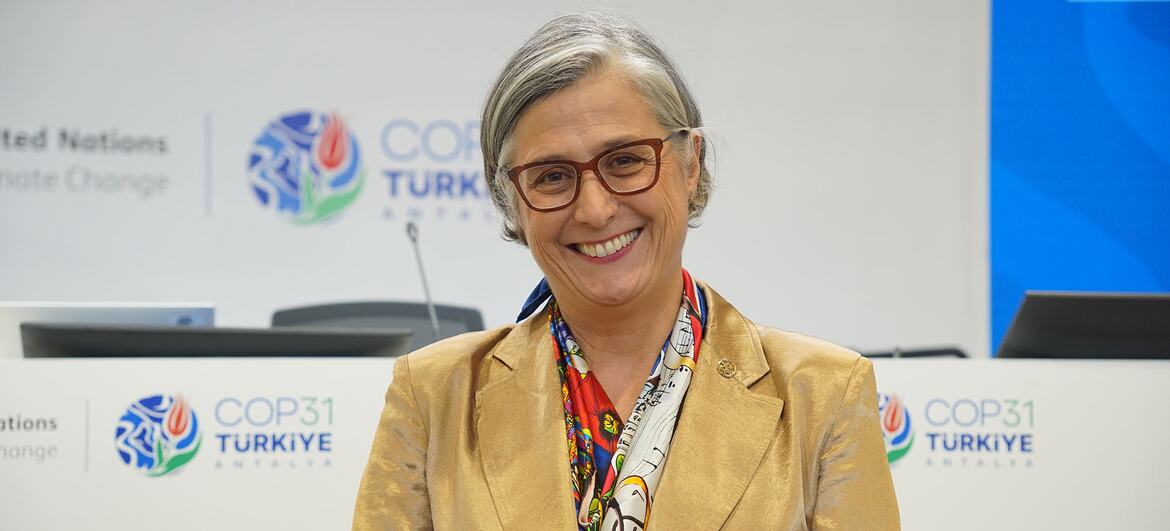
In Antalya, Türkiye, the first high-level city-focused dialogue at a UN climate summit put housing and urban resilience at the center of climate talks. The message from UN-Habitat chief Anacláudia Rossbach was direct: “Housing is climate action.”
That focus reflects how climate change is already shaping daily life in cities. Floodwater can reach family homes, heat can become dangerous inside poorly built housing, and poor drainage can turn heavy rain into a disaster. Cities are also home to many people with few resources to prepare for a crisis or recover afterward.
At COP31, the Leaders’ Summit brought national and local officials, financial institutions and other partners together for its first dedicated dialogue on urban resilience, adaptation and climate action. The scale of the need is stark: as many as 3 billion people lack adequate housing, and more than 1 billion live in informal settlements that are often exposed to floods, landslides and extreme heat.
Rossbach said climate plans must include more than stronger buildings. Drainage, sanitation, electricity and clean water, supported by better planning and financing, are also essential. “We need systemic change,” she told UN News, pointing to the need for governments, banks, businesses and communities to work together.
There are signs that cities are gaining ground in national plans. A new UN-Habitat analysis found that 80 per cent of national climate plans now include well-developed urban measures, up from 50 per cent in the previous round. But the funding gap remains large. Cities need about $4.5 trillion in climate investment each year through 2030, while current financing covers only about one-fifth of that need.
Mayors also renewed their commitments. Sixty-nine mayors representing more than 250 million people signed up for another year of climate action through the Yearly Offer of Action initiative, a 60 per cent increase from last year. Their plans include flood-warning systems in Addis Ababa, London’s first dedicated heat plan and incentives to improve the environmental performance of 400 commercial buildings in Melbourne.
The summit also showed how climate risks differ across countries. Seychelles warned that rebuilding after stronger storms and floods can leave small nations trapped in debt. Nepal raised concerns about dangers to mountain communities as glaciers melt and extreme weather intensifies. Nepal, Bhutan and Kyrgyzstan joined Tajikistan and Pakistan in calling for greater protection for glaciers and the people who live nearby. Nepal also proposed a “Sagarmatha to the Sea” partnership connecting mountain and coastal communities, with stronger early warnings and climate finance.
Negotiations on adaptation funding and fossil fuels remained divided, and small island nations called for faster emissions cuts. Still, the city dialogue gave local leaders a place alongside national governments and finance groups. Rossbach said she hoped it would lead to cities having a stronger voice in future talks and better access to money. The next test is whether that attention can turn into the investment and basic services that make urban neighborhoods safer.