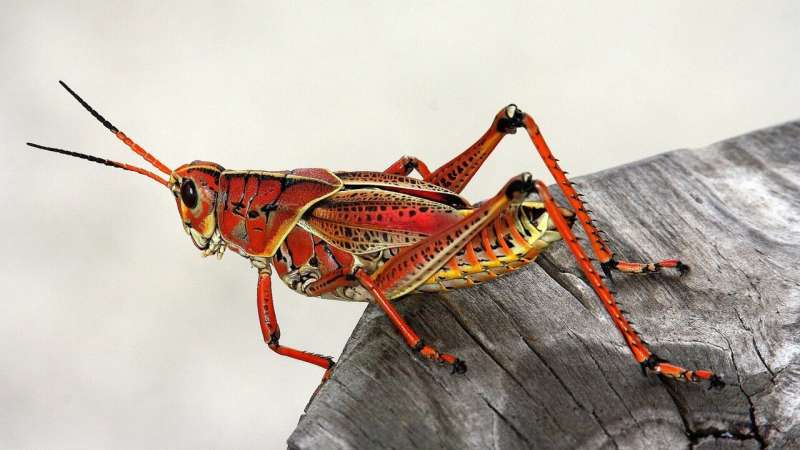
Lobster was once scorned as food for the poor. Today it arrives at fancy restaurant tables dripping in melted butter, transformed into a delicacy. Insects may be next—and a surprising group of Canadians seem ready for the shift.
When researchers surveyed 252 adult visitors at the Montréal Insectarium, they uncovered something more hopeful than simple revulsion. Nearly half of participants—44%—expressed genuine openness to eating insects. This willingness matters because more than two billion people worldwide already eat grasshoppers, caterpillars, ants, beetles and crickets as part of long-standing food traditions across Africa, Asia and Latin America, where these foods are prized for taste, availability and nutritional density.
Canada, by contrast, still associates insects with disease rather than dinner. Yet the Montréal study revealed distinct patterns of acceptance, particularly when it comes to how insects are presented. About 87% of respondents preferred insect-based products where the insects themselves remained invisible—cricket flour baked into muffins or cookies, for instance, rather than whole insects on a plate. Even among those open to insect eating, only 27% said they would regularly include insects in their diet, and just 17% would cook them at home.
The gap between curiosity and commitment reflects something deeper than nutritional indifference. Disgust emerged as the most significant barrier, cited by 70% of participants. Others mentioned fear of insects, safety concerns and health worries. These are not trivial obstacles. Food is laden with psychology, memory, cultural norms and the unspoken rules of what belongs on a plate.
Yet the research points toward a path forward. The barrier, researchers suggest, is not the ingredient itself but the image. A muffin made with cricket flour still reads as muffin—familiar, safe, comprehensible. A visible larva forces eaters to confront exactly what they are consuming, and for many people that confrontation flips curiosity into disgust. Presentation, then, becomes the crucial variable.
This matters because our global food system is under strain. Protein demand continues rising while conventional livestock farming demands vast amounts of land, water and feed, driving greenhouse gas emissions and environmental degradation. Scientists and food companies are exploring alternatives: lab-grown meat, 3D-printed food, heavily processed plant substitutes. Insects, by contrast, are refreshingly straightforward. They already exist, breed rapidly, and require far fewer resources than conventional livestock while delivering protein, fats, vitamins and minerals in abundance.
In Canada, insect-based foods will likely arrive quietly, nested inside foods people already understand and trust: bread, pasta, protein bars, cookies, pizza. This strategy acknowledges a hard truth about food culture—norms shift slowly, and people more readily embrace the unfamiliar when it arrives in a familiar form.
The question is not whether Canadians will eat insects, but whether they can learn to see insects differently—the way they learned to see lobster. The Montréal study suggests most Canadians are neither fully committed nor completely closed off. Their willingness hinges on trust, demonstrable safety, familiar presentation and the assurance that insects qualify as legitimate ingredients rather than novelties. A cricket flour cookie may sound strange today. So did lobster, once.