Research shows Daylight Saving Time doesn't reduce total daily physical activity, though it shifts when people walk. This evidence helps policymakers evaluate the actual health impacts of the twice-yearly time change.
← News
Tech for Good Tech for Good Frontiers
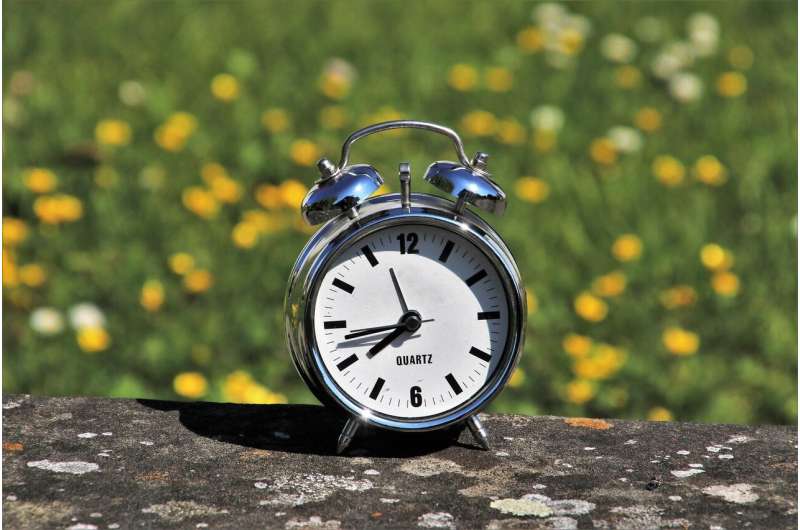
Daylight Savings Time does not affect people's total daily step counts, but does affect when they walk
Unaffected By Time Change Total daily steps
Shift With Daylight Hours Walking patterns