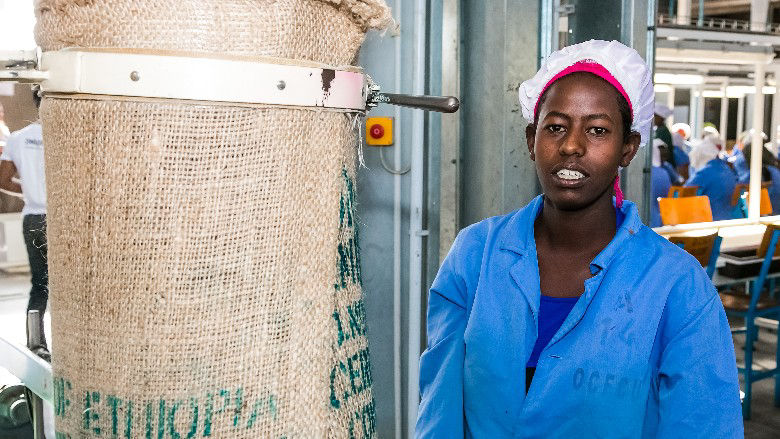
In a greenhouse outside Bishoftu, Ethiopia, thousands of flower stems sway in the warm air. Workers move between rows, cutting stems and sorting petals for export to markets thousands of miles away. For the 1,400 people who work here — 80 percent of them women and young people — these flowers represent more than beauty. They represent a paycheck, and for many, real hope for the future.
This farm, run by a company called JoyTech, is part of a quiet transformation happening across Ethiopia. In July 2024, the country's government launched major economic reforms aimed at stabilizing the economy and helping businesses grow. The changes are starting to show results.
For years, companies like JoyTech struggled with a painful problem: foreign currency shortages. Ethiopia's currency, the birr, was difficult to exchange for dollars and other foreign money. That made it hard for businesses to buy the seeds, fertilizers, and packaging materials they needed from other countries. JoyTech's chief operating officer, Bisrat Haileselassie, remembers the strain clearly. "When the forex shortage was ongoing, it was very stressful," he said.
The reforms changed that. By making foreign exchange easier to access, the government gave companies like JoyTech room to breathe and grow. "When the reform was introduced, it was a big relief," Bisrat said. JoyTech has since resumed investments in new technology and restarted work with local farmers to develop better seeds. "We can now plan future investments. We have hope and confidence as an investor," Bisrat said.
Another important change involves how goods are taxed when they cross Ethiopia's borders. Before, businesses could not predict what they would owe in customs fees, even with proper paperwork. That uncertainty made it harder to set fair prices and hurt Ethiopia's appeal as a place for trade. The government has now aligned its customs system with international standards, making trade more predictable and clearing a path toward joining the World Trade Organization.
The reforms also reach into Ethiopia's banking sector. The Commercial Bank of Ethiopia, the country's largest financial institution, received support to lend more money to private businesses. Stronger banks mean more companies can get the credit they need to invest, expand, and hire new workers.
For families facing hard times, the government expanded social protection payments — money sent to the most vulnerable households to help them through economic changes.
These gains did not happen in isolation. The World Bank provided support through a series of loans called Development Policy Operations, which helped fund and shape the reforms. The goal is to build an economy where businesses can thrive long-term, creating more and better jobs for people across Ethiopia.
Back at the flower farm in Bishoftu, workers tend to roses, herbs, and vegetables bound for foreign markets. The company now employs 1,400 people, most of them women and young adults who might otherwise struggle to find work. Their lives are steadier than they were a year ago. And for Ethiopia's future, that steady growth may be the most beautiful result of all.