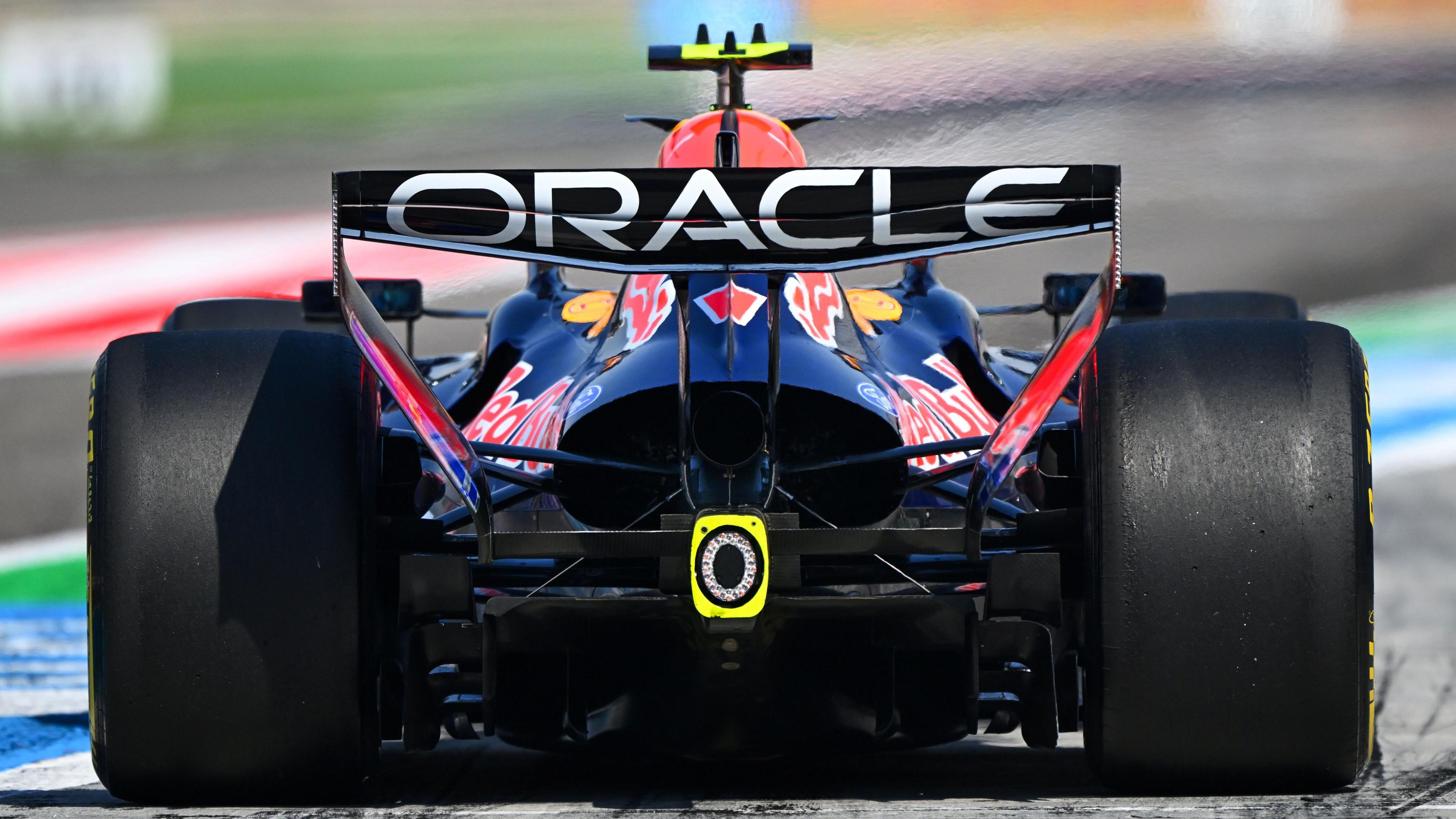
When McLaren's Lando Norris crossed the finish line in Miami last weekend, he offered a candid assessment of the state of Formula 1: "It's a small step in the right direction, but it's not to the level that Formula 1 should still be at yet." The drivers' chorus of similar concerns has now reached the people who can do something about it. In a meeting that brought together F1 bosses and the FIA, officials unanimously agreed to overhaul engine designs for 2027 — a decision that could fundamentally transform what it feels like to drive an F1 car.
The core issue has nagged the sport for years. Today's power units demand that drivers engage in constant energy management — recovering energy while on full throttle, which causes a frustrating speed drop-off before corners and through fast curves. It's the automotive equivalent of being told to slow down just when you want to go faster. The agreed changes aim to almost entirely eliminate this phenomenon, except at the most energy-starved circuits.
The path forward will be collaborative. Technical groups involving teams and power-unit manufacturers will hammer out the details before a final package is approved. These discussions will also explore complementary measures that could make energy harvesting either less critical or easier to manage. "There are various potential methods available for addressing that fundamental conundrum," the FIA noted.
The changes will require development of existing engines, but a senior insider offered a telling summary of the mood in the room: "Everybody is in the mood for a challenge." That enthusiasm exists alongside practical constraints — some teams want to carry over their chassis into 2027 to manage costs, which complicates proposals like increasing fuel tank size. But these are engineering problems to solve, not roadblocks.
What makes this moment remarkable isn't just the technical promise — it's the responsiveness. The Miami changes to engine operation drew nearly unanimous approval from drivers over the race weekend, validating the direction. Now that same driver feedback has propelled the sport into a concrete, unanimous commitment to change. The 2027 season may look and feel very different from the cockpit — and fans watching from the stands might finally see their heroes pushing flat-out, everywhere.