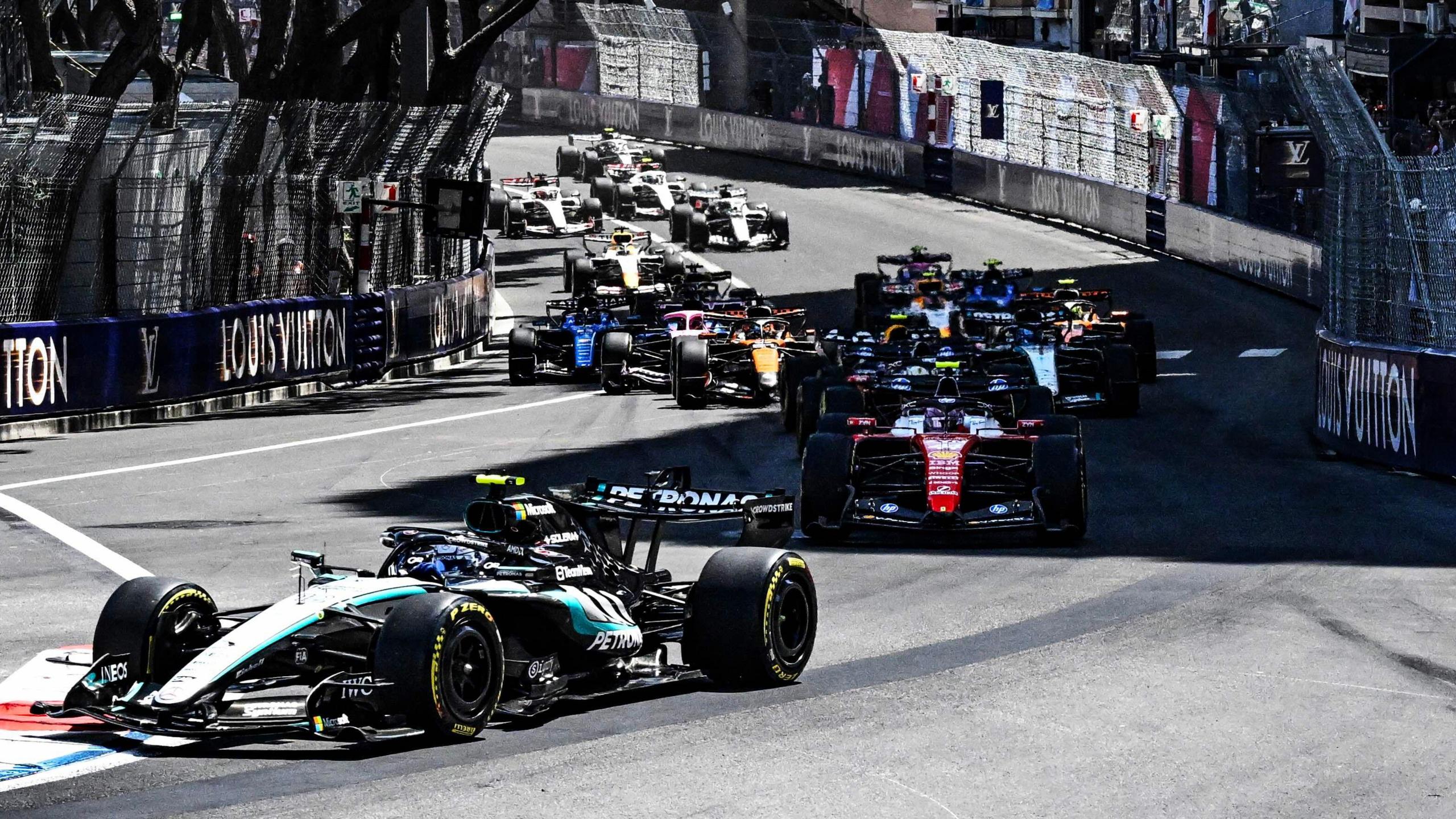
Max Verstappen threatened to quit Formula 1 if the sport didn't fix its new engines—and his ultimatum worked. After a month of tense negotiations among drivers, teams, and the sport's governing body, F1 has agreed to a two-step redesign that will fundamentally shift the balance between petrol and electric power, aiming to restore the breathless, full-throttle racing that fans and drivers alike have been craving.
The issue stems from this year's new regulations, which mandated a nearly even 50-50 split between internal combustion and electrical power. The result has been an unintended consequence: drivers spend so much time and energy carefully managing their battery reserves during qualifying laps that they can't simply drive flat-out. Two-time champion Fernando Alonso captured the absurdity perfectly, saying fast corners have become the "charging station for the car." Drivers have even found themselves coasting and lifting off the throttle during qualifying—behaviour that should never happen in a sport where tenths of a second determine pole position. The new cars, starved for energy, made qualifying feel more like a technical exercise than a test of raw speed and aggression.
Under the agreed compromise, the power ratio will shift to 58-42 in favour of the internal combustion engine in 2027, then move further to 60-40 in 2028. To achieve this, fuel flow to the petrol engine will increase by 5% next year and 13% the year after, boosting its output from about 400 kilowatts (536 horsepower) this year to 450 kilowatts (603 horsepower) by 2028. Meanwhile, the electrical component will decline from 350 kilowatts down to 300 kilowatts, though the maximum power available for overtaking manoeuvres will remain unchanged at 350 kilowatts.
Ferrari and Audi initially pushed for a gradual approach rather than rushing the shift in a single year, and their input shaped the final agreement. The FIA statement emphasised that the changes aim to "address issues related to energy management and make qualifying more flat-out while not impacting the positive and exciting racing generated by the new regulations"—a careful acknowledgement that the current rules do produce wheel-to-wheel drama, even if qualifying has become frustratingly constrained.
Parallel to the power changes, the sport is also opening a door for manufacturers deemed significantly underpowered. The FIA has ranked engine performance and will allow struggling manufacturers to make upgrades with additional budget-cap allocations. Red Bull was found to have the most powerful engine, while Mercedes received one permissible upgrade this year and another next. Ferrari, Audi, and Honda can each make two upgrades in 2024 and 2027. Honda, classified as 8-10 percent behind Red Bull, missed out on the largest funding boost—which could have reached $19 million—but still has the opportunity to improve.
The two-step approach reflects a pragmatic compromise after weeks of debate. All drivers had agreed the issue needed fixing, even if not everyone would have quit the sport over it. By 2028, F1 will have rebalanced its hybrid power unit in a way that should let drivers do what they do best: push harder, brake later, and race with the kind of fearless aggression that made the sport compelling in the first place.