Kanane Bikanyale kneels beside a stack of modified jerrycans in the Kyaka II refugee settlement, gently scooping plump black soldier fly larvae into a tray. Above him, chickens scramble for the wriggling treats, while below, tilapia dart in a fishpond fed by the same insects. Just a few years ago, Bikanyale could barely keep his chickens alive. Back in the Democratic Republic of the Congo, he raised poultry, but the cost of feed made it nearly impossible to sustain. Now, in this crowded camp in western Uganda, he’s found a smarter way — farming insects.
Kyaka II is home to nearly 140,000 refugees and asylum seekers, most fleeing violence in the DRC. With land plots shrinking to just 30 by 30 metres and humanitarian aid declining, families face a daily struggle to grow enough food. But in this tight space, a quiet revolution is unfolding. Over 500 people now work in 32 insect-farming groups, raising black soldier flies, mealworms, and crickets not just for food, but for animal feed and fertiliser.
Kavira Musabingo, a grandmother of five, started with a women’s group learning to rear flies. At first, she sold her share of larvae to buy essentials. Now, she grows insects at home, feeding her family chickens, eggs, and vegetables — and selling the surplus. The insects thrive on food scraps and crop waste, turning what would be trash into protein. Their leftover waste, called frass, enriches her garden soil.
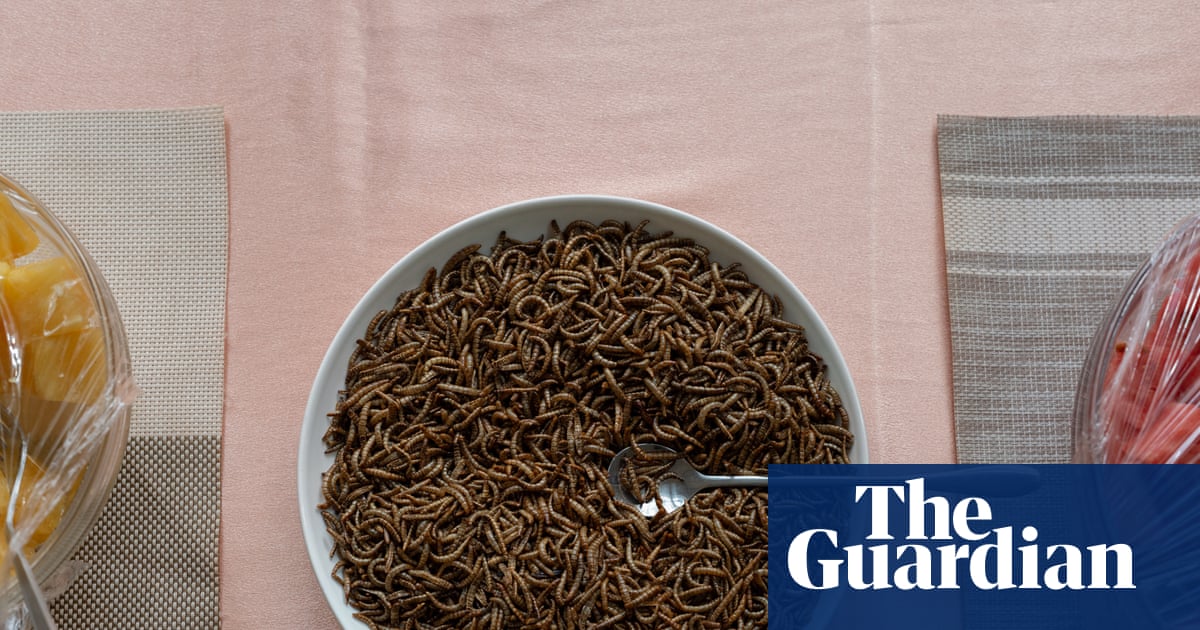
The project, called Refugee Insect Production for Food and Feed (RefIPro), is led by Raise, a Danish non-profit, with support from Makerere University and the University of Copenhagen. Dorothy Nakimbugwe, an associate professor in food technology, says these insects are “particularly rich in proteins and micronutrients such as iron and zinc” — vital for children and pregnant women. In schools like Bukere and Kako, children now eat mealworm-enriched porridge. A study of 342 students found they grew taller and had healthier body composition.
Edward Ssebbombo, a local technician, has helped make the system work. He designed a pedal-powered sieve from recycled materials and built rail-mounted shelters to protect breeding units. Still, challenges remain. “In a food-insecure setting such as a refugee settlement, households produce very little food waste,” he says. Farmers often collect organic scraps from markets to feed their insects.
Yet the benefits are clear. Insects need little space, no large fields, no heavy machinery. Trays can be stacked like shelves. They grow fast, reproduce quickly, and turn waste into wealth. For families with almost nothing, this tiny farming method is delivering big results. And as more people see the value of these small creatures, a once-overlooked source of nutrition is becoming a lifeline — one larva at a time.