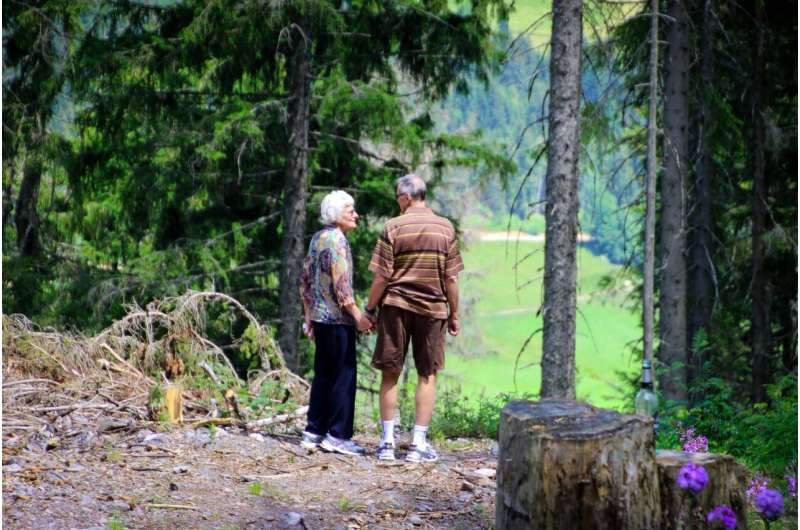
Viren Swami still remembers the first time he noticed how a walk through Cambridge’s green spaces quieted his mind. Now, as a professor at Anglia Ruskin University, he’s helped uncover a surprising ripple effect of that calm: it might be reshaping how people eat.
A new study of 500 adults in the UK shows that time spent in nature is linked to healthier, more intuitive eating habits. This is the first research to connect contact with the natural world to the way people relate to food—not through diets or rules, but by tuning in to their body’s signals. The findings, published in the journal Body Image, suggest that nature doesn’t just soothe the mind—it helps people trust their bodies.
The study measured how often people noticed nature in daily life, how frequently they visited green spaces, and how long they stayed. It also looked at their levels of body appreciation, self-compassion, and connection to nature. Two clear pathways emerged. First, people who spent more time in nature tended to feel more at peace with their bodies—more grateful for what their bodies can do, not just how they look. That sense of appreciation made them more likely to eat based on hunger and fullness, not guilt or restriction.
The second path ran through self-compassion. Those who felt closer to nature were also kinder to themselves, especially during stressful moments. Instead of turning to food for comfort, they were more likely to pause, reflect, and choose what their body truly needed. This emotional resilience, the researchers believe, protects against impulsive eating.
The numbers tell a hopeful story. While the study relied on self-reported data and focused only on UK adults, the patterns were strong enough to suggest real public health potential. As cities grow and screen time rises, access to parks, gardens, and wild spaces could become a quiet but powerful tool in fighting unhealthy eating patterns.
Swami and his team are careful to note the limits of their work—correlation isn’t causation, and more studies across different cultures are needed. But the message is clear: nature doesn’t just heal the land. It might also help heal our relationship with food.
As urban planners and health advocates look for low-cost, sustainable ways to support well-being, this study offers a simple idea: what if the path to better eating starts not in the kitchen, but outside the door?