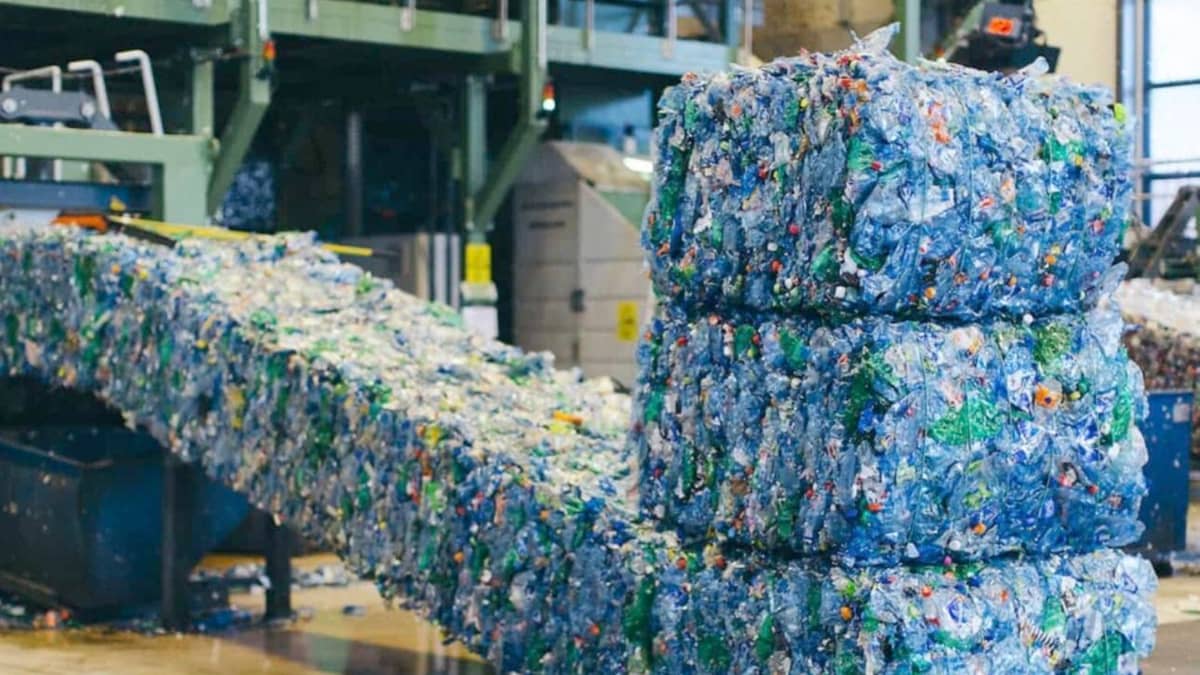
At a recycling plant run by Norway’s Infinitum, plastic bottles are pressed into dense bales, ready for another use. A new International Labour Organization study points to a much larger shift in the global economy: expanding trade in green goods could support 9.5 million additional jobs around the world by 2030.
The gains would not be spread evenly. The ILO’s report, “Advancing Green Trade and Employment under Global Uncertainty,” estimates that China could add 3.63 million jobs, the largest increase of any country. The East Asia and Pacific region could gain 2.37 million jobs, while the European Union is projected to add 1.64 million. The figures describe jobs linked to green trade, not a promise that every forecast job will be created.
Machinery and equipment are expected to provide 30% to 40% of green trade-related employment across most regions and income groups. Their role is especially strong in high-income economies. Electrical and electronic equipment is projected to be the biggest source of direct employment in China and Latin America, and the second-largest source in other regions, including East Asia and the Pacific. Motor vehicles, metal products and chemicals are also expected to contribute, though their importance differs from place to place.
For workers, the forecast offers both an opportunity and a warning. The report says green trade jobs in middle-income economies are often more formal than jobs across those economies’ workforces as a whole. But they remain less accessible to women, in part because many are in manufacturing industries. The ILO cautions that, without deliberate steps in training and hiring, growth in green trade could widen the gender gap in employment.
Trade policy could also shape how many jobs appear. The ILO estimates that rising tariffs and retaliatory measures could wipe out about 530,000 jobs that green trade would otherwise support. Economies most exposed to those trade barriers could face the greatest losses. “Keeping barriers to environmental goods low is therefore a labour-market objective as much as a climate one,” the agency said.
The geography of the forecast is striking: China and high-income economies are expected to capture most of the employment gains, while South Asia and Africa combined could add fewer than 90,000 jobs. That gap means a global rise in green trade would not automatically bring broad access to its benefits. Training and recruitment choices will matter, especially for women and workers in regions expected to gain less.
The study’s message is hopeful but clear-eyed. Green trade could open millions of job opportunities by 2030, particularly in manufacturing, but tariffs could shrink the total and the gains could remain concentrated. Keeping trade in environmental goods open, while widening access to the work it creates, will help determine who benefits from the transition.