When Pep Guardiola arrived at Manchester City, he made a choice that bewildered the Premier League: he benched beloved goalkeeper Joe Hart and replaced him with Claudio Bravo, then Ederson—players comfortable receiving the ball at their feet. The English football establishment bristled. A decade later, it would be heretical to suggest otherwise. Today, ball-playing goalkeepers are not an innovation but an expectation, a quiet revolution so complete that most top-flight clubs have quietly abandoned the era of pure shot-stoppers.
This transformation reflects something deeper than a single tactical tweak. It illustrates how Guardiola has reshaped Premier League football not through a single masterstroke, but through a cascade of adaptive decisions that other managers now study, borrow, and build upon. His influence extends far beyond City's trophies—though those are considerable. It lives in how Arsenal now plays, how Tottenham once played under Ange Postecoglu, and even in how Newcastle's towering 6ft 7in defender Dan Burn has been reinvented as a left-back.
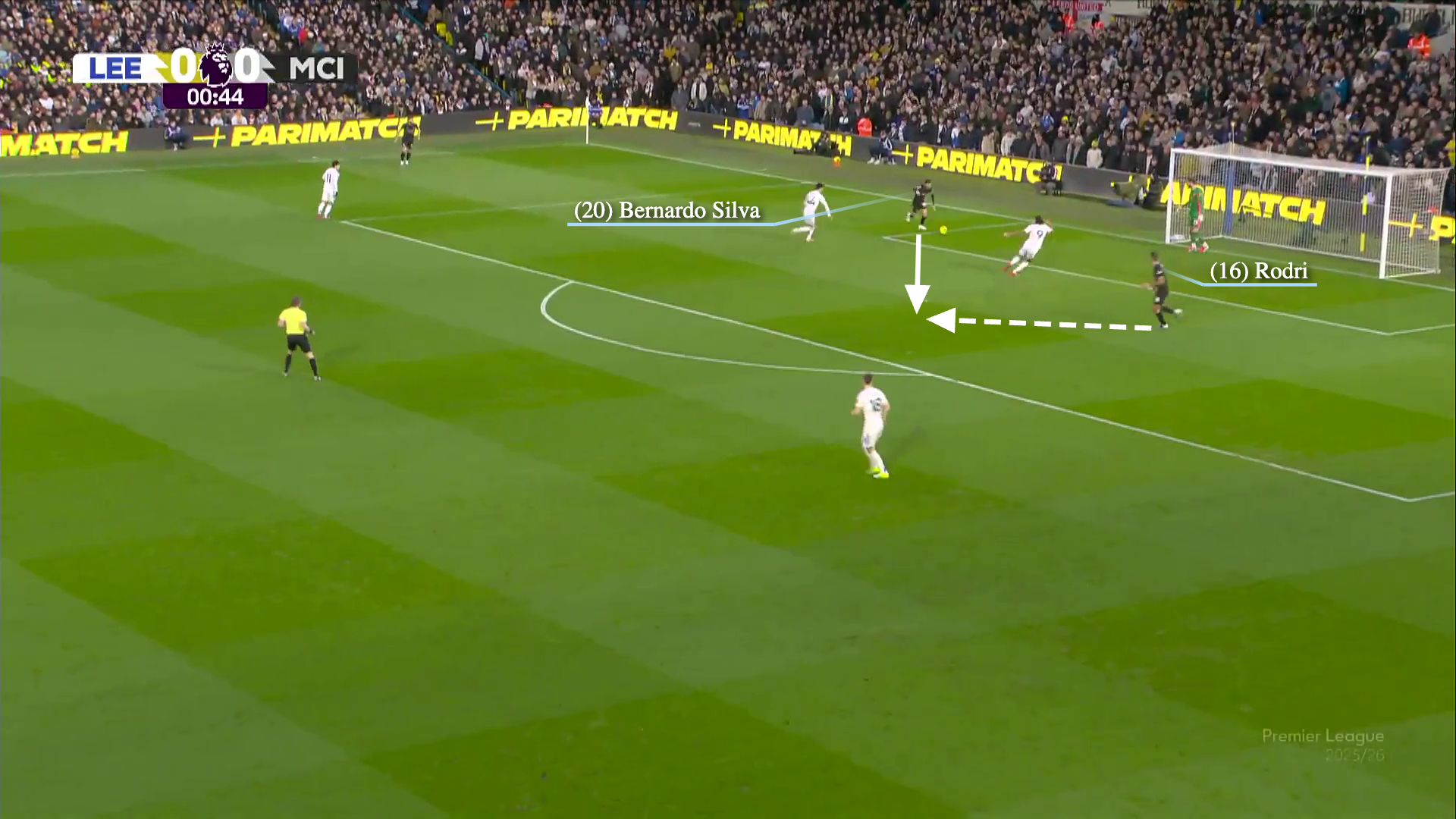
The most striking example emerged from necessity. In 2017-18, injuries depleted City's full-back options, forcing Guardiola to improvise. He looked at left-footed midfielders Oleksandr Zinchenko and Fabian Delph—technical passers ill-suited to wide defending—and inverted them. Rather than hugging the touchline, they tucked infield next to the defensive midfielder, creating a four-player defensive unit with an unusual geometry. The left-winger shifted to the line, the build-up improved, and opposition teams found themselves outfoxed. When Mikel Arteta took Zinchenko to Arsenal, he replicated the tactic. When Postecoglu managed Tottenham, he used it with Pedro Porro and Destiny Udogie. The idea had metastasized into football's vernacular.
That same flexibility defined City's 2022-23 treble-winning season, when centre-backs Manuel Akanji and Nathan Ake played as full-backs, flanking the central pairing of Ruben Dias and John Stones. The defence became a passing unit first, a shield second. Newcastle followed, with Dan Burn tucking infield before spreading wide. Arsenal's Jurrien Timber and Riccardo Calafiori, Chelsea's Malo Gusto and Marc Cucurella—all now used as attacking presences who arrive in the box and contribute goals rather than merely reclaim possession.
Yet the foundation underlying all this creativity is simpler: control. Guardiola has always believed in dominating possession as a philosophy, not merely a statistic. During the 2017-18 season, City averaged 71.9% of the ball per game. In the nine seasons since, they have never dropped below 60%. Six Premier League titles in seven seasons proved the approach works. The philosophy rippled outward. Liverpool's Arne Slot won the Premier League in his first season playing closer to those possession-based principles than his predecessor's intense pressing style. Arsenal under Arteta combines technical passing with impressive defensive records. Even Brighton has built sustainable success on hiring coaches committed to imposing themselves through the ball.
What makes this transformation so significant is not that Guardiola invented any single tactic—inverted full-backs, ball-playing goalkeepers, and positional football predate him. Rather, he proved at the highest level that these ideas could win consistently, repeatedly, and against determined opposition. In doing so, he didn't just win trophies. He changed how English football thinks.