At 9:03 a.m. Paris time, the team at Green-Got watched in stunned silence as their Crowdcube funding page surged past €1 million — then €3 million — all within the first 12 minutes. By 9:55 a.m., the sustainable neobank had raised €8 million from 6,500 customers in just 52 minutes, a stunning vote of confidence in ethical finance from everyday French citizens. This wasn’t venture capital from distant institutions; it was a grassroots wave of support from people who believe money should serve people and the planet.
Green-Got’s campaign is more than a fundraising success — it’s a cultural shift in motion. In a financial landscape long dominated by opaque institutions, the Paris-based fintech offers full transparency, carbon tracking for every transaction, and a promise to invest only in verified green initiatives. Its crowdfunding surge reflects a growing demand across Europe for banks that align with personal values. The campaign’s speed — raising €0.5 million in the first five minutes and hitting €4.4 million by 2023 — underscores not just trust, but urgency.
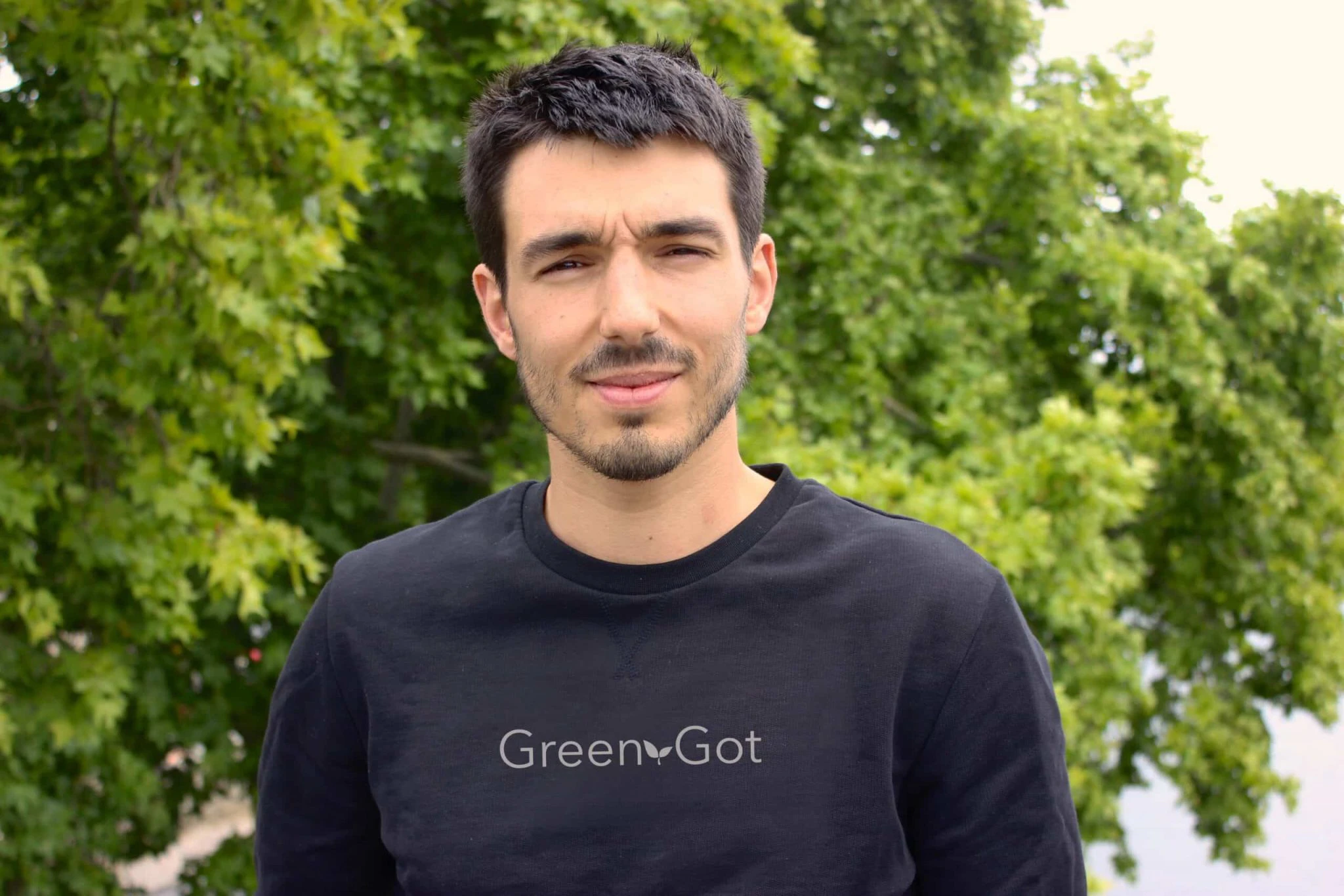
"It’s not just about the money — it’s about the message," said founder Guillaume Dufresne in a post-campaign interview. "When 6,500 people open their wallets in under an hour, they’re saying they want a bank that reflects their ethics, not just their balance." Green-Got’s model, built on open-source principles and public impact reporting, has already attracted users from over 30 countries, with plans to expand into Germany and Spain by 2025. Unlike traditional banks, Green-Got shares quarterly impact metrics — from CO2 saved to renewable energy funded — directly with its community.
The campaign’s success also highlights the rising power of platforms like Crowdcube, where everyday investors can back ventures they believe in. Green-Got joins a growing wave of fintechs redefining trust — not through branding, but through accountability. As Dufresne put it: "If a bank won’t tell you where your money goes, why should you trust them with it?"
With its new funding, Green-Got plans to launch a suite of tools for SMEs to track and reduce their carbon footprint through everyday banking. The €8 million will also accelerate development of a public API, allowing developers to build climate-conscious financial apps on Green-Got’s infrastructure. In an era where financial systems are often seen as part of the problem, Green-Got’s lightning-fast crowdfunding moment suggests a different future — one where finance becomes a force for good, one transparent transaction at a time.