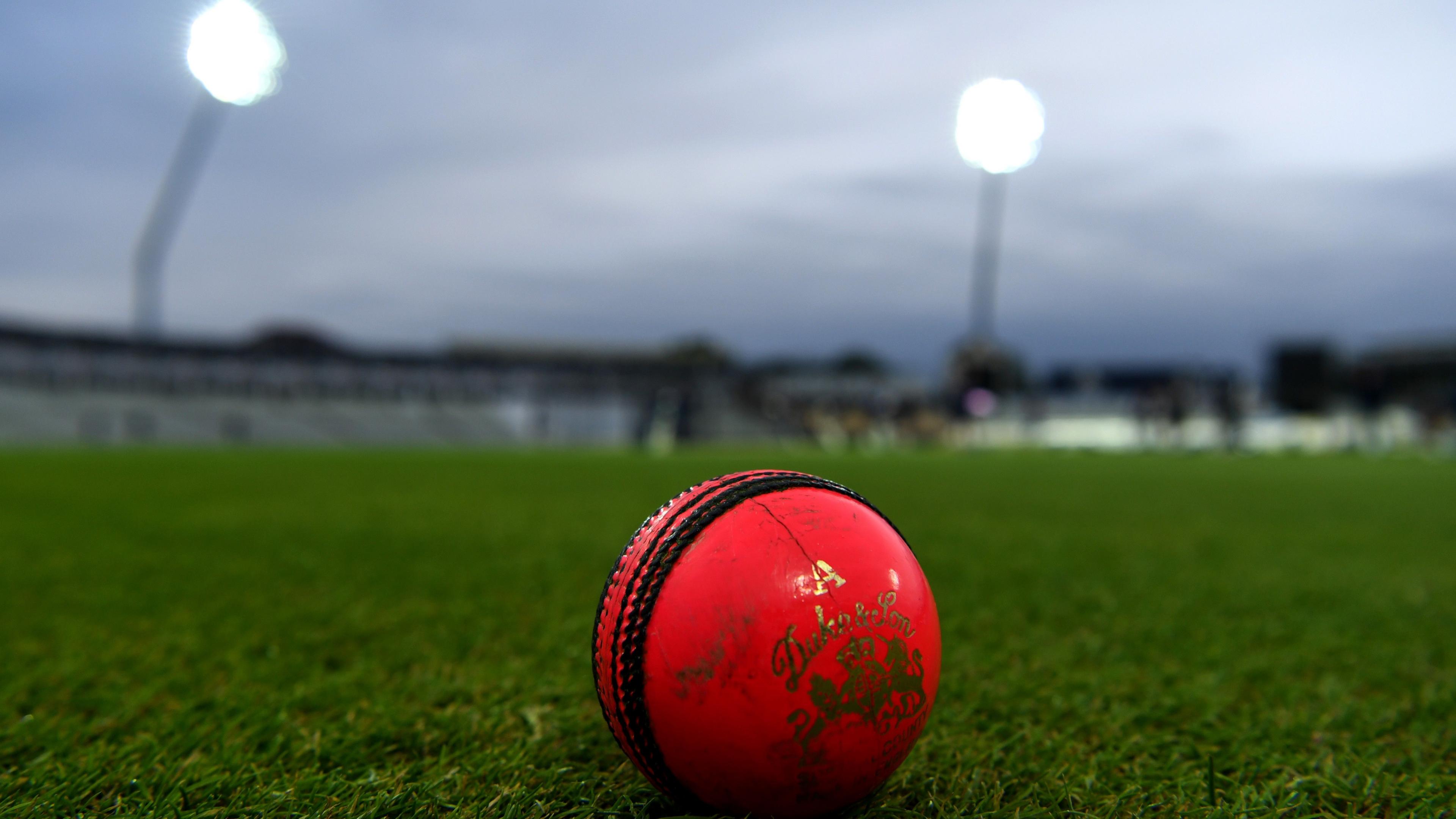
When bad light halted play on the first day of England’s Test against Sri Lanka at The Oval in 2024, more than half the day’s cricket was lost—despite floodlights arching over the ground. Now, the International Cricket Council (ICC) is testing a bold solution: swapping the traditional red ball for the pink one, not just in scheduled day-night matches, but on the fly, when conditions deteriorate. In a move aimed at preserving playing time and honoring the rhythm of Test cricket, the ICC has launched a trial allowing teams to agree in advance to use the pink ball if visibility drops, marking the first time the pink ball can be used outside of pre-announced day-night Tests. The decision responds to years of frustration from fans, players, and broadcasters who’ve watched precious hours vanish under gloomy skies, even in stadiums equipped with modern lighting.
The pink ball, first introduced in a men’s day-night Test between Australia and New Zealand in Adelaide in 2015, has proven its durability and visibility under lights. Since then, 25 men’s day-night Tests have been played, with Australia emerging as dominant under the floodlights—winning 14 of their 15 pink-ball Tests. Every Ashes series in Australia since 2017-18 has featured a day-night fixture, and the home side has won all four. England, however, remains cautious; while the 150th anniversary Ashes Test in Melbourne next March will be played with the pink ball, the team is reportedly considering rejecting a day-night format during their next Ashes tour in 2029-30. Still, the new ICC trial offers flexibility: both teams must consent ahead of the match, ensuring mutual agreement before any switch is made.
Beyond the ball change, the ICC’s recent board meeting in Ahmedabad brought other updates. Head coaches can now step onto the field during drinks breaks in T20 internationals, aligning international rules with popular franchise leagues. Yet the ICC also voiced concern over the “growing expanse of franchise cricket,” announcing plans to form a committee to harmonize international and franchise calendars—a move that could shape the sport’s future balance. Meanwhile, Cricket Canada’s ICC membership was suspended immediately due to “serious breaches of its membership obligations,” underscoring the council’s push for accountability.
The pink ball trial doesn’t have a set end date, but the ICC will work with the Marylebone Cricket Club (MCC) to study lighting technology and its impact on umpiring and venue standards. If successful, the change could breathe new life into Test cricket, preserving its timeless format while adapting to modern demands. As former England captain Michael Vaughan put it, “You go to a pink ball and carry on.” In a game where time is sacred, that might be exactly what the sport needs.