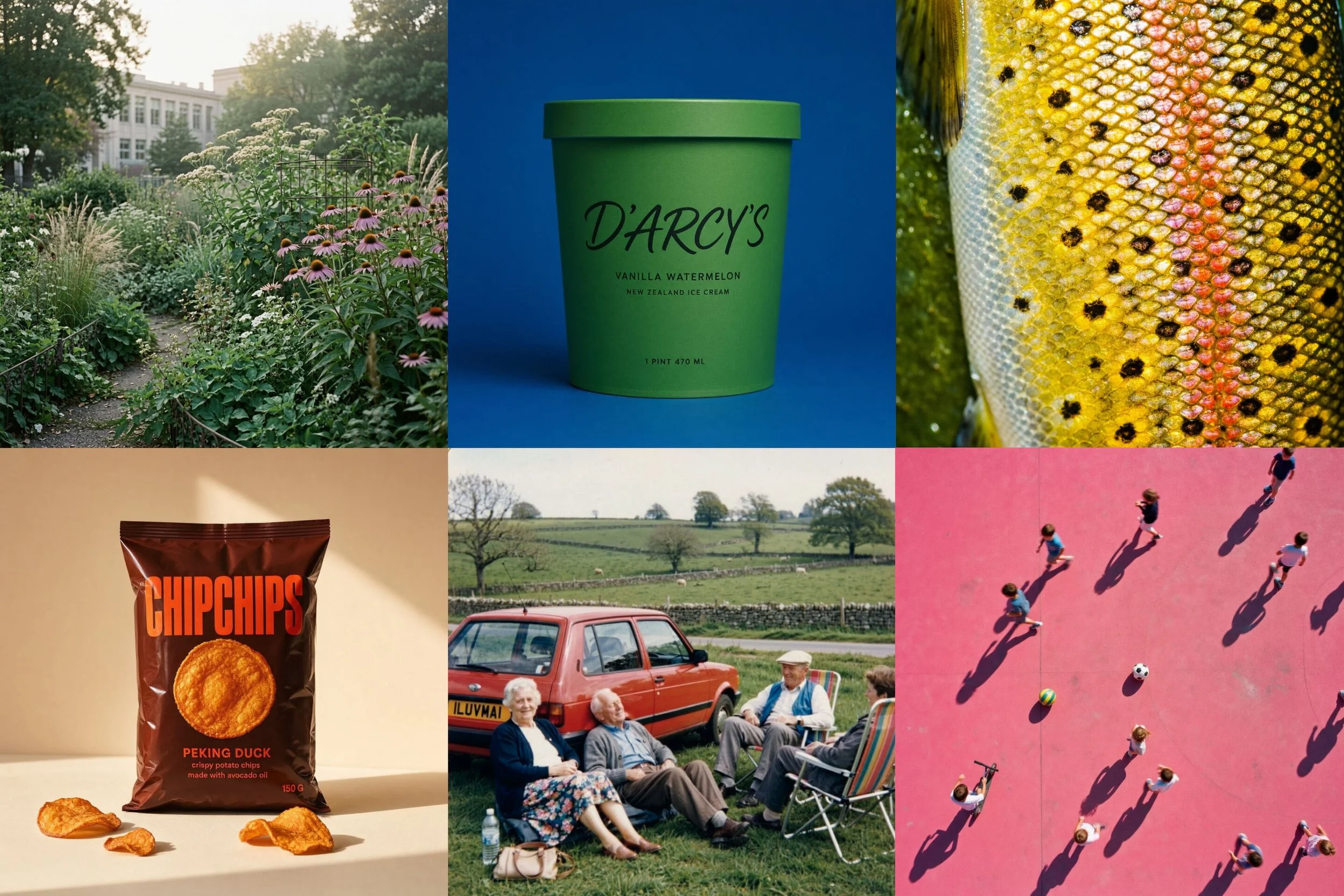
Mustafa Suleyman, CEO of Microsoft AI, announced MAI-Image-2.5 ahead of Build, describing it as "our strongest image model yet" — a text-to-image system now ranked third on the Arena leaderboard that promises to solve one of generative AI's most stubborn problems: getting the words right. For educators, designers, and brand teams who have watched AI image generators struggle with readable text and coherent layouts, this launch signals a meaningful shift toward tools that can actually ship in professional work.
Text rendering has haunted AI image generation from the beginning. Whether you needed sharp lettering on a poster, legible labels for product packaging, or clear diagrams for classroom materials, AI models consistently failed where traditional design tools succeeded. Suleyman acknowledged this directly: "Professional grade creative work requires getting every detail right: the words on a poster, the label on packaging, the structure of a product shot, the way light falls across a scene." MAI-Image-2.5 targets each of those demands, delivering sharper text, better layout structure, more deliberate scenes, and more polished brand-forward visuals compared to its predecessors.
The improvements extend beyond typography. Microsoft AI reports that MAI-Image-2.5 shows stronger visual reasoning across objects, scene structure, lighting, scale, and spatial relationships — capabilities that matter intensely for product shots, posters, packaging concepts, learning visuals, training assets, and marketing materials where prompt adherence directly determines whether an image can be used in real work. The model also improves stylized illustration and commercial imagery compared with MAI-Image-2, according to the company.
For teams in education, learning design, and workforce development, the launch arrives at a moment when text accuracy, layout control, and consistent visual composition have shifted from nice-to-have features to practical requirements. As image generation tools move from experimental novelty to production asset, reliability matters more than ever. A worksheet template with garbled text or a training slide with incoherent scene structure wastes time rather than saving it.
The model is available now on Arena, where developers and creators can test it immediately. Microsoft AI plans to roll out MAI-Image-2.5 to the MAI Playground and Microsoft Foundry within the next two weeks, expanding access beyond the testing arena. However, the company has not yet disclosed pricing, licensing terms, enterprise access details, education-specific availability, or whether the model will integrate into other Microsoft products — important details for organizations considering adoption.
The launch reflects a broader maturation in the image generation market itself. Early generative AI hype often centered on novelty and scale — can the model generate anything at all? The current moment emphasizes precision and usability — can it follow detailed instructions, render text accurately, and produce outputs with consistent scale and coherent layouts? MAI-Image-2.5's position on the leaderboard and its focus on professional-grade output suggest Microsoft AI is betting that the future of image generation belongs to models that work reliably in actual workflows, not just demo videos. For teams that have hesitated to integrate AI into their creative processes, that shift may finally make adoption possible.