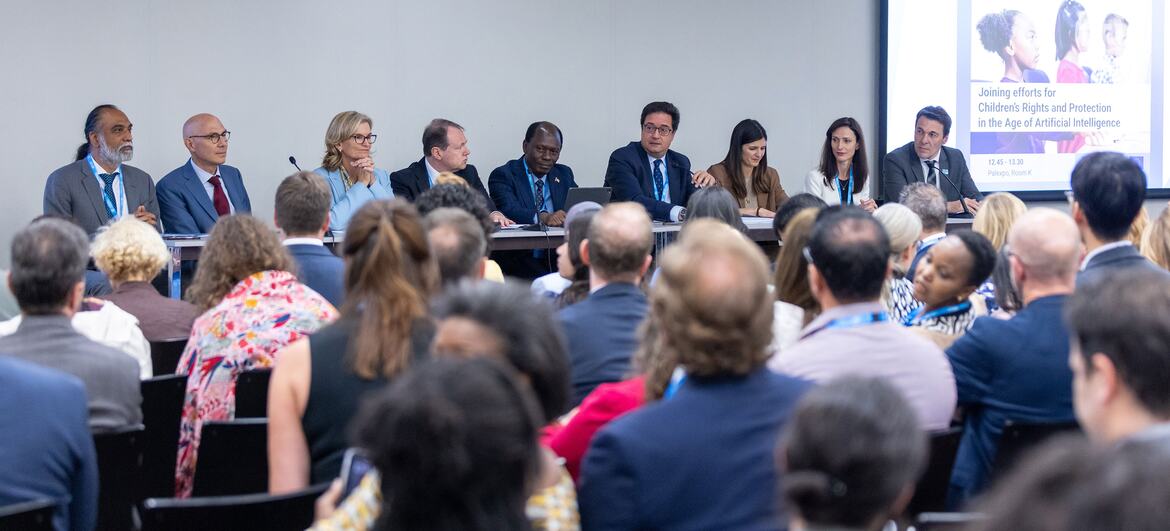
On a Tuesday morning in Geneva, seventeen countries gathered to sign a declaration that sounds simple but represents a major shift: children should help decide how artificial intelligence is built — not just be protected by it after the fact.
The new Coalition for Children's Rights and Protection in the Age of Artificial Intelligence launched at the UN Global Dialogue on AI Governance on July 7, 2026. It brings together governments, UN agencies, tech companies, and child welfare experts, all working from the same foundation: the Convention on the Rights of the Child, the most widely ratified human rights treaty in the world.
The founding UN members include UNICEF (the UN children's agency), UNESCO (culture and education), the human rights office (OHCHR), and three other UN bodies. The seventeen countries range from Brazil and Kenya to France and Japan — a mix of wealthy nations and developing ones, all agreeing that kids deserve a seat at the table when AI systems are created.
"Children are already living much of their lives inside a world shaped by AI," the coalition's founding declaration states. That means the apps they learn on, the videos recommended to them, and the algorithms helping them connect with friends — all of it is built by AI systems that weren't designed with kids in mind.
The coalition argues that while AI brings real opportunities for education and creativity, it also exposes children to risks their systems were never built to handle. The solution isn't just adding safety features later — it's bringing children's perspectives into every step: design, rollout, and oversight. Under the Convention on the Rights of the Child, children have a right to be heard on matters that affect them. Coalition members say this should mean genuinely informing decisions about AI, not just being asked for opinions after systems already exist.
This launch came after the UN Secretary-General called for an AI Child Safety Pledge in his opening remarks. Coalition members have committed to sharing research and successful approaches, and to pushing for children's views to actually shape policy — not sit in the appendix.
For millions of young people growing up with algorithms, this coalition represents something rare: adults agreeing that kids aren't just users of technology. They're rights holders whose futures are shaped by decisions made today.