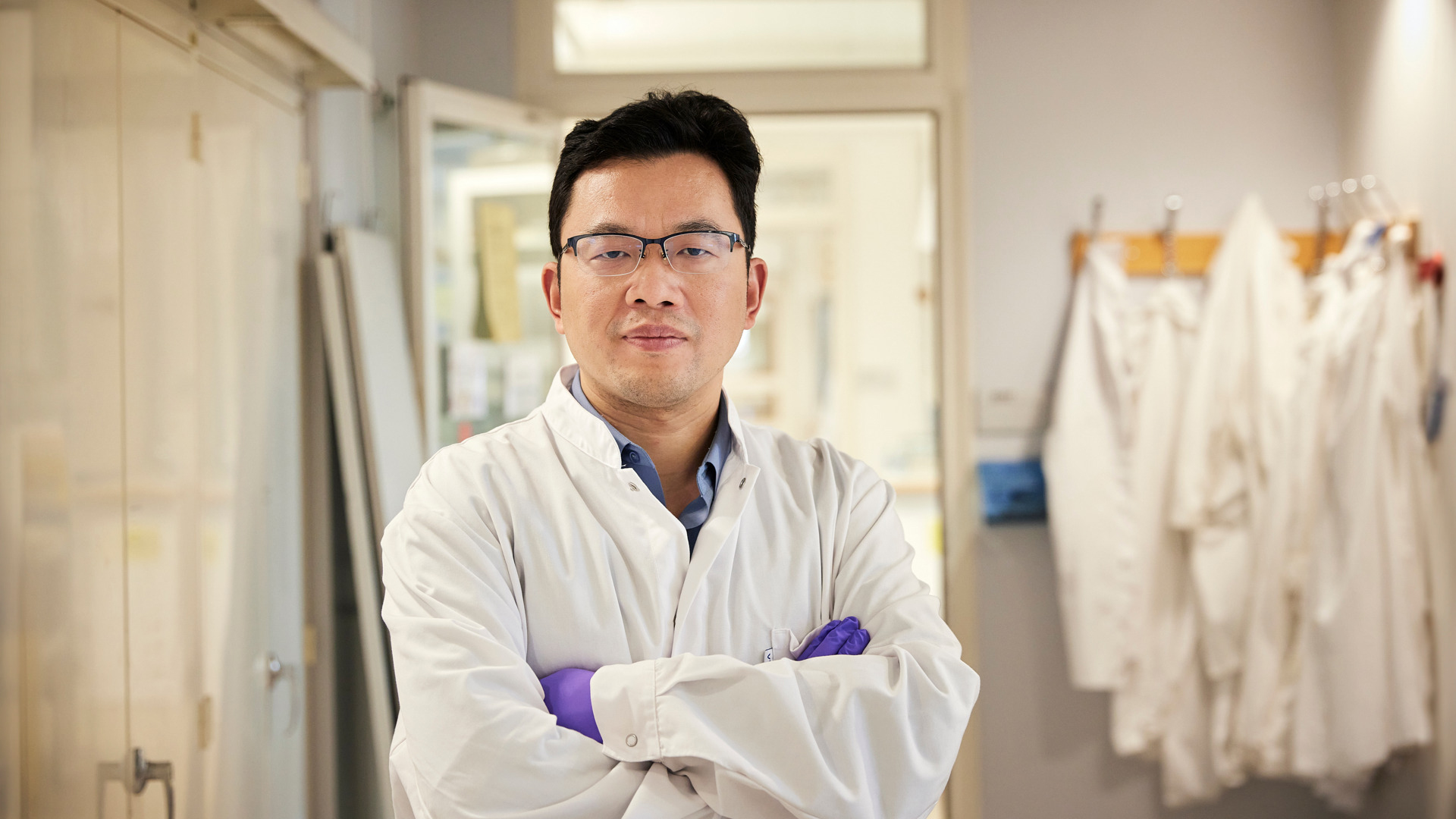
Ergang Wang stands in a sunlit lab at Chalmers University of Technology in Gothenburg, where a small prototype reactor hums quietly, its surface lined with photovoltaic cells capturing daylight to break down plastic waste. This unassuming device could be the seed of a revolution. The SPECTRA project—short for Multispectral Solar Photoreforming Device for Selective Depolymerisation of Mixed Plastics—is reimagining how the world handles one of its most persistent pollutants: mixed plastic waste. With global plastic production surpassing 400 million tonnes annually and less than 10% effectively recycled, the need for radical innovation has never been more urgent. Most recycling today demands heavy sorting, massive energy inputs, and still yields lower-quality materials. Too often, plastic ends up burned, buried, or shipped abroad—harming both people and the planet.
SPECTRA aims to flip this script. Instead of treating plastic waste as a burden, the project treats it as a resource. Using solar-powered photoreforming technology, the team is developing a device that can convert complex, unsorted plastic waste directly into high-value chemical building blocks—molecules like formic acid and syngas that industry uses to make fuels, plastics, and pharmaceuticals. These outputs are not downcycled; they’re upgraded. The process runs on sunlight, minimizing energy demand and carbon emissions. If scaled, it could transform landfills into chemical feedstock hubs and make recycling not just sustainable, but profitable.
The European Union has placed a major bet on this vision, awarding SPECTRA €4 million through the Horizon Europe European Innovation Council Pathfinder Challenge. This funding will support four years of research and development, positioning Chalmers as the sole coordinator among the three Chalmers-led projects selected—and one of only 30 across all Pathfinder Challenges, chosen from 667 proposals. Within the narrower “Waste-to-Value Devices” category, SPECTRA was one of just eight projects funded out of 247 applications, a testament to its scientific ambition and potential impact.
At the heart of the project is a simple but powerful idea: for the circular economy to work, waste must have value. “By increasing the value of plastic waste, we can create stronger incentives to address the long-term environmental impacts of plastic production. This is where our research can make a real difference,” says Wang, the project’s lead researcher. The team includes partners from across Europe, combining expertise in materials science, photochemistry, and reactor engineering to build a system that’s not only efficient but scalable for real-world use.
While still in the lab phase, SPECTRA’s early results are promising. If successful, this technology could be deployed in urban waste centers, industrial parks, or even remote communities, turning plastic pollution into a local source of high-value chemicals. In a world drowning in plastic, SPECTRA offers a rare beacon: a solution that’s clean, clever, and economically viable—powered by nothing more than sunlight and ingenuity.