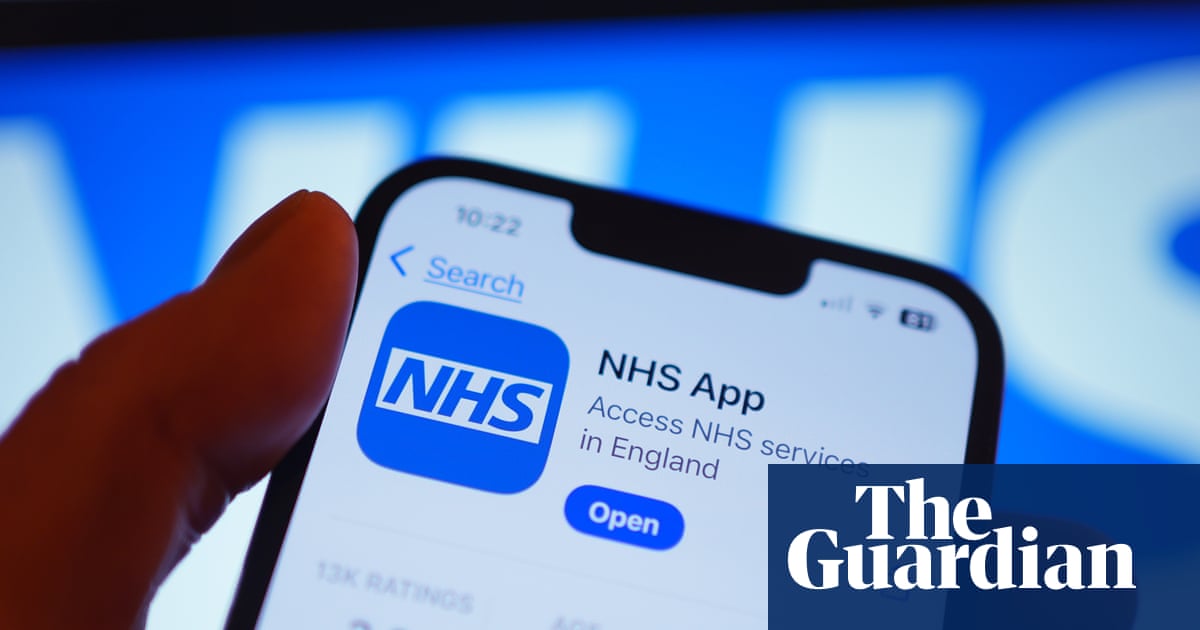
When Sarah tried to book a same-day GP appointment last year, she spent 45 minutes on hold. By this time next year, patients like her in Sussex might skip the phone queue entirely — thanks to artificial intelligence now rolling out across the NHS app.
The health service announced it will begin using AI to help patients find the right care, whether that's a GP appointment, a visit to the local pharmacy, or the A&E department. The tool asks patients about their symptoms and directs them accordingly — a digital receptionist that never takes a break.
The idea came from a simple problem: the so-called 8am scramble for same-day GP appointments. Millions of patients rush to call their surgery at opening time, clogging phone lines and leaving many frustrated. The Labour government made fixing this a key promise before winning the 2024 election.
An early test in Sussex shows promise. At Wealden Ridge Medical Partnership, which runs several surgeries in the county, the AI tool led to a 29% drop in patients waiting on the phone. Staff also reported spending 25% more time actually talking to patients rather than typing notes — a separate trial at Great Ormond Street Hospital in London found the same boost across nine sites.
Over the next year, about 200,000 patients will get access to the new feature. By April 2028, it should be available to everyone who uses the NHS app — that's potentially millions of people.
The rollout is backed by a £10 billion government package aimed at modernising NHS technology and data systems. Officials hope AI will eventually handle routine paperwork, leaving doctors and nurses free to focus on patients.
Health Secretary James Murray said he was "certain" the technology would "get patients to the right care faster, free our brilliant clinicians from mountains of paperwork, and help drive down waiting times."
But some health leaders urge caution. Experts at the King's Fund and the Health Foundation say the real test is whether AI makes care feel more convenient and joined-up for patients — not just whether it saves money. They warn that people who struggle with smartphones or apps shouldn't be left behind as services go digital. Privacy concerns also linger: any system handling sensitive health data must be secure, they say.
Still, for patients exhausted by endless hold music, the promise is clear: less time waiting, more time with a real person who can help.