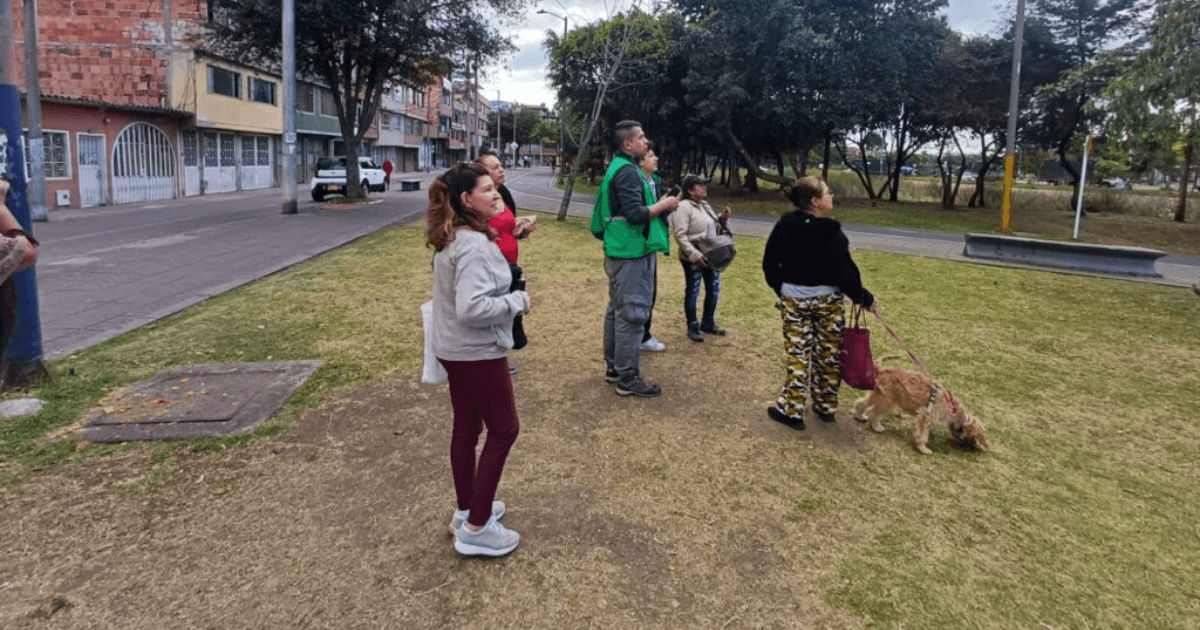
Every Saturday morning, Maria Lopez laces up her boots and walks the same path she took as a child through the misty edges of Jaboque Wetland. Now, she carries a notebook instead of a schoolbag, recording water levels, spotting birds, and sketching maps with her neighbors from Villas del Dorado Norte in Bogotá’s Engativá district. What was once just a green space on the edge of the city has become a living classroom, thanks to a growing partnership between her community and the José Celestino Mutis Botanical Garden (JBB).
Jaboque is more than a wetland—it’s one of Bogotá’s ecological lifelines. At 148 hectares, it’s the second-largest district wetland in the city and a designated Area of Importance for Bird Conservation (AICA), sheltering both local and migratory species. But like many urban ecosystems, it faces serious threats: air pollution, illegal dumping, soil contamination, and the loss of native trees. These pressures don’t just harm plants and animals—they disrupt essential natural processes like oxygen production, carbon capture, and water regulation that keep the city livable.
That’s why the work happening here matters. Residents like Maria aren’t just observing—they’re leading. With guidance from JBB educators and territorial specialists, the community’s Action Committee (JAC) runs weekly ecological walks, knowledge-sharing circles, and social mapping exercises. Together, they’ve created hand-drawn maps that reveal not just the wetland’s geography, but its history, cultural meaning, and the environmental challenges it faces. This participatory environmental diagnosis blends science and local memory, turning everyday citizens into stewards and researchers.
Their findings are already shaping action. By identifying pollution hotspots and tracking biodiversity, the group is building a stronger case for protecting Jaboque. They see the wetland as sacred ground—once honored by the region’s original inhabitants—and now, they’re ensuring that respect continues in a modern form: through data, education, and collective care.
This isn’t just about saving a patch of nature. It’s about reconnecting people to place. As climate pressures grow, urban wetlands like Jaboque play a vital role in cooling the city, managing floods, and cleaning the air. And when communities lead the effort, the results last longer and mean more. With each walk, map, and conversation, the people of Villas del Dorado Norte are proving that environmental protection starts with belonging.