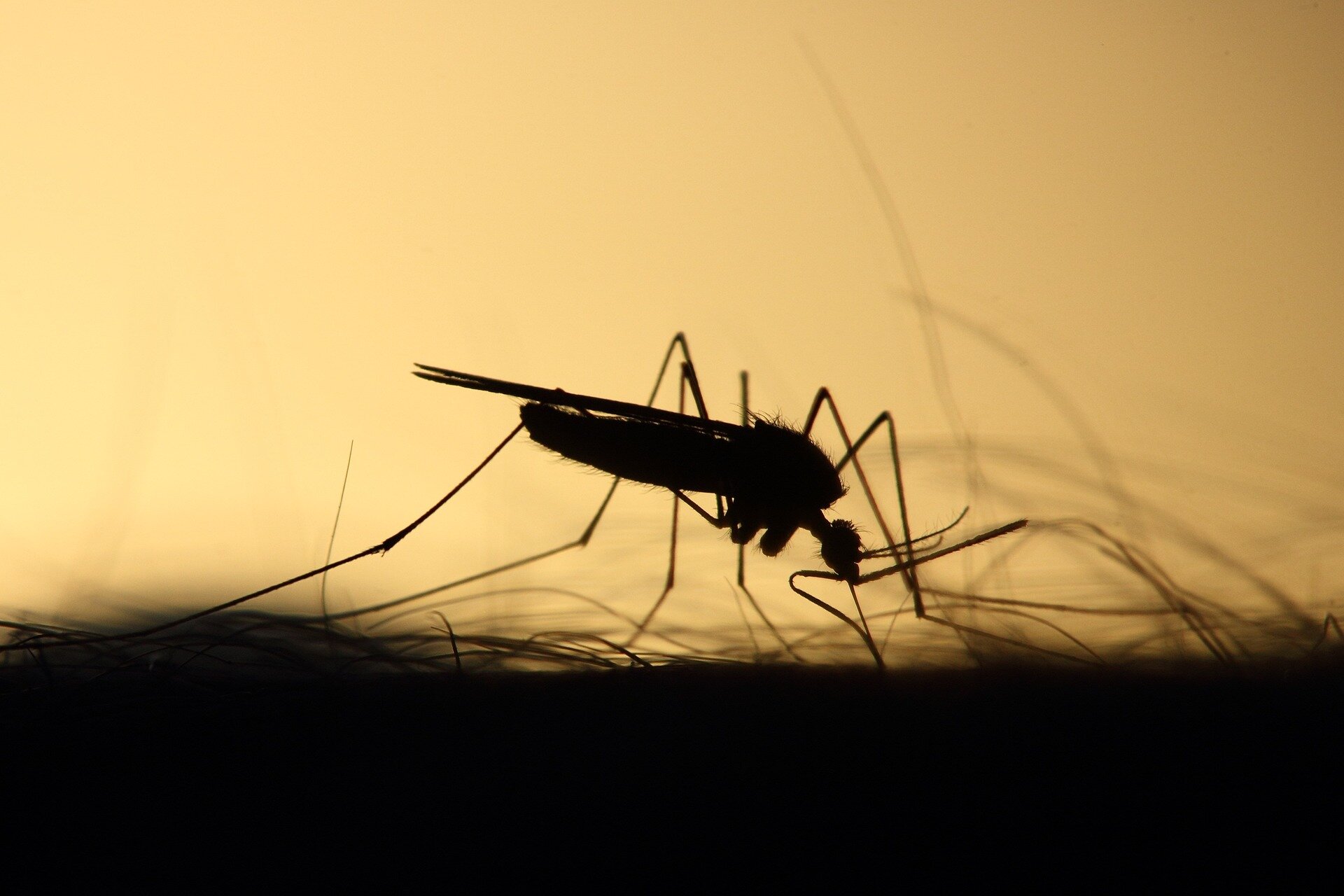
In Belo Horizonte, Brazil, mosquito releases began in January 2021 with a goal that sounds simple but could matter to thousands of families: make local mosquitoes less able to spread disease. In a four-year trial, researchers found that the approach reduced infections from dengue, Zika and chikungunya among schoolchildren by 68.6% overall.
These illnesses are spread by Aedes aegypti mosquitoes and can cause serious outbreaks. The trial tested a bacterium called Wolbachia, which occurs naturally and can be introduced into Aedes aegypti. The wMel strain makes mosquitoes much less able to transmit several viruses. Wolbachia also passes from female mosquitoes to their offspring, so it can spread through a local mosquito population and remain established over time.
The EVITA dengue trial ran in Belo Horizonte from 2020 to 2024. Its name stands for EValuate the efficacy of Wolbachia-InfecTed Aedes aegypti mosquitoes in reducing the incidence of Arboviral infection. The study enrolled 5,757 children ages 6 to 11 and divided 58 school-based areas into two groups. In 29 areas, Wolbachia-infected mosquitoes were released alongside standard mosquito control. The other 29 areas received standard control alone, including insecticide spraying and removal of places where mosquitoes breed.
The releases took place from January 2021 through May 2022. Children gave a blood sample at the start of the study in 2020, then provided samples each year through 2024. Researchers tested for antibodies to dengue, Zika and chikungunya. The reported results showed 68.6% efficacy against arboviral infection overall, with 68.5% efficacy for dengue and 73.3% for chikungunya. The source article did not give a separate efficacy figure for Zika.
The findings were presented at the annual meeting of the American Society of Tropical Medicine & Hygiene in National Harbor, Maryland. The research was led by an independent, multidisciplinary team from Brazil and the United States, including the Federal University of Minas Gerais, Fiocruz, the World Mosquito Program, Emory University, Yale University, Johns Hopkins University and the University of Florida.
The trial took place during unusually demanding years. Schools closed as the COVID-19 pandemic began, making enrollment and long-term follow-up harder. In 2024, Brazil also faced its largest recorded dengue outbreak, part of the largest global dengue burden ever reported. That intense transmission gave researchers a chance to test the intervention during a period when protection was especially important.
Luciano Moreira of Fiocruz and the World Mosquito Program said the locally adapted Wolbachia mosquitoes became established for more than three years. The results offer evidence that this approach can help reduce infections among children, while the study’s careful follow-up and community participation show what it takes to measure prevention over time. Researchers will need to build on these findings to understand how well the method can work in other places and across wider populations.