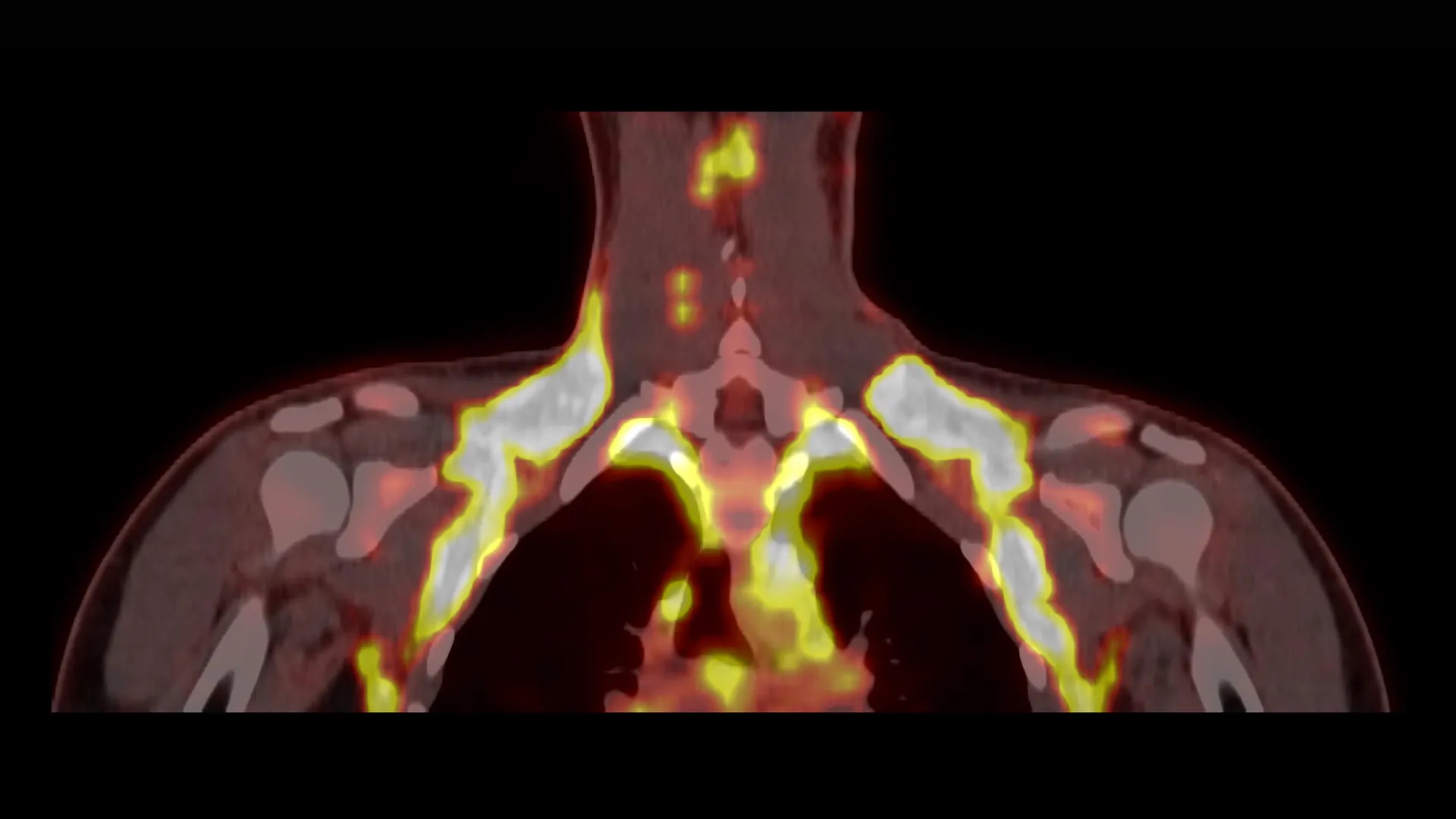
A scan of 11 volunteers revealed a twist in the science of calorie-burning fat: a drug made their bodies use more energy, but did not clearly switch on brown fat.
Researchers at the University of Basel and University Hospital Basel set out to test whether medicine could copy the effects of cold, which naturally activates brown fat. This tissue differs from ordinary white fat: instead of mainly storing energy, brown fat uses it to make heat. It has drawn interest as a possible target for future obesity treatments. People with more active brown fat also tend to be leaner and have better metabolic health, though that link does not prove that activating the tissue causes those benefits.
The team, led by Professor Matthias Betz, compared mild cold exposure with fenoterol, a medication that stimulates a receptor called beta2 adrenergic. Receptors are proteins that respond to signals in the body. The researchers measured the volunteers’ energy use and used PET/CT scans to look for changes in brown fat. Their results were published in Cell Metabolism.
Both cold and fenoterol raised energy expenditure, meaning the body used more energy. But the scans showed a clear difference: after cold exposure, brown fat took up considerably more glucose, a type of sugar used as fuel. The researchers did not see a comparable sign of brown fat activation after fenoterol.
That gap matters because a rise in calorie burning does not, by itself, show which tissue is responsible. “Our study shows that an increase in energy expenditure does not automatically mean that brown fat has been activated,” Betz said. The team does not yet know where the extra energy was used after the drug. Skeletal muscle or white fat could be involved, but those are possibilities, not confirmed explanations.
The findings suggest that activating human brown fat may be more complicated than targeting one receptor. Analysis of human tissue points to the possibility that several receptors or biological signals need to work together. The study does not rule out brown fat as a future treatment target; instead, it shows that researchers need a clearer picture of how the tissue is controlled.
That knowledge could matter as scientists look for new ways to treat obesity. Current weight-loss medications reduce appetite, but after people lose weight, the body often responds by burning fewer calories. In theory, a treatment that both reduces appetite and raises energy use could help counter that change. The Basel experiments do not demonstrate such a treatment, but they offer a useful caution for future research: measuring higher energy use is not enough to prove brown fat has been switched on.
For Betz and his colleagues, the next step is understanding the signals that regulate the tissue. “Ideally, we could combine a reduction in appetite with an increase in energy expenditure,” he said. “But first we need a better understanding of how brown adipose tissue is regulated.”