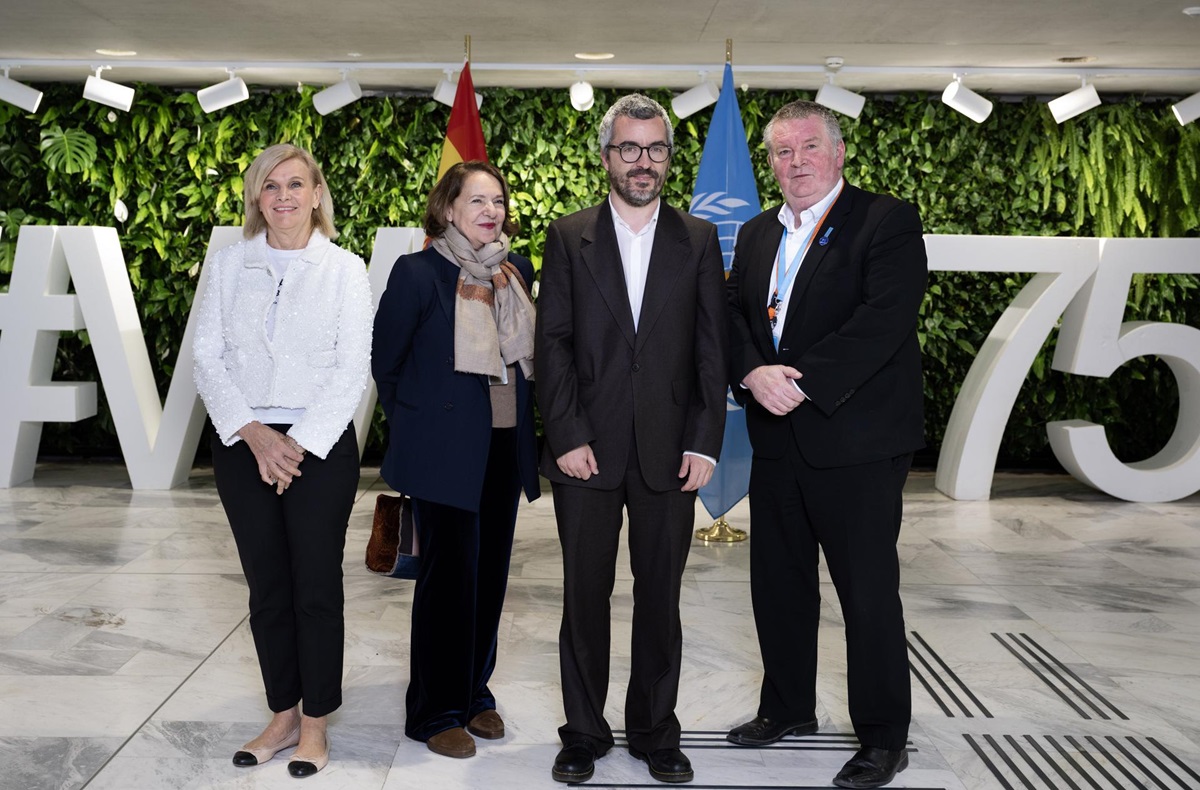
In a sunlit conference room in Geneva, Javier Padilla Bernáldez sat down with some of the world's top health officials and got straight to work. Spain's Secretary of State for Health had traveled to the World Health Organization headquarters on April 23 and 24, 2024, to map out how his country could help make health care better for everyone — everywhere.
Spain came to the table with serious credentials. The country performs more organ transplants than almost anywhere else on Earth, a fact that has made it a go-to partner for the WHO's Transplantation Program. During the two-day visit, Spanish experts met with WHO leaders including Dr Michael Ryan, who heads the organization's health emergencies work, and Dr Ailan Li, who oversees universal health coverage efforts. Together, they talked about expanding access to transplants, making sure the process stays safe and ethical, and helping other countries build their own programs.
But organ donation was just one piece of a much bigger conversation. Spain and the WHO also discussed how to prepare for future pandemics, fight diseases like malaria and polio, and make sure people everywhere can see a doctor without going broke. The two sides talked about everything from tobacco and alcohol control to food safety, nutrition, and climate change — issues that shape how healthy communities really are.
Spain's track record helped it earn a seat at the table as a true partner. The country has long supported WHO's work financially and with expert knowledge. In recent years, that support has helped strengthen health systems in developing countries, improved access to medicines, and protected people in humanitarian crises around the world. Spain is also one of the loudest voices pushing to finish the job on polio — a disease that once paralyzed hundreds of thousands of children each year and is now close to being wiped out for good.
Dr Maria Neira, who directs WHO's work on environment and climate change, was there to greet the Spanish delegation. The group included officials from Spain's Permanent Mission to the United Nations in Geneva, where Ambassador Aurora Díaz- Rato Revuelta helped lead the conversations.
What emerged from the meetings was a picture of partnership rooted in shared goals. Spain brings real expertise and resources. WHO brings global reach and coordination. When they work together, the result is stronger health systems in countries that need them most. For people living through disease outbreaks or struggling to access basic care, that collaboration could make all the difference.