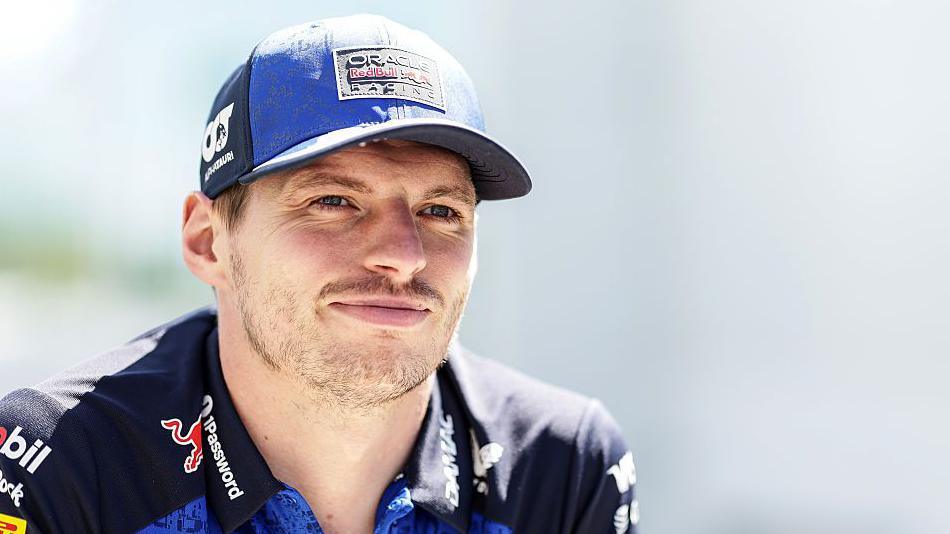
Formula 1's most dominant driver is ready to stay—if the sport can fix what's broken. Max Verstappen's commitment to the 2025 season hinges on one thing: the quality of racing itself. In Montreal this weekend, F1 officials, the governing FIA, and engine manufacturers are deep in negotiations over a fundamental rule change that could reshape the sport's competitive character.
The proposal is elegantly simple: shift power from the hybrid electrical system back to the internal combustion engine. Currently, F1 cars lose nearly half their power on straights as the engine switches into recharge mode, a technical reality that has frustrated drivers and fans alike. The new approach would increase fuel flow to the internal combustion engine while reducing electrical assistance by the same amount, creating a more traditional, more explosive racing experience.
"Yeah, definitely," Verstappen said when asked if the change would increase his chances of staying. "I just want a good product in Formula 1. And that will for sure improve the product." His tone suggests exhaustion with the current order, not with racing itself. The three-time world champion has dominated recent seasons so thoroughly that the question of his future has become less about competitiveness and more about meaning. If the car matters less than the quality of the spectacle, then improving the spectacle becomes essential.
The drivers broadly welcome the shift. Lando Norris, the current world champion, called it "a great direction that we all welcome." Mercedes' George Russell noted that the change would eliminate the awkward power loss mid-straight, though he acknowledged uncertainty about racing implications. Oscar Piastri, Norris's teammate, offered a more measured assessment: "It's a step in the right direction. But it's not fixed." That caution reflects the complexity behind the scenes.
Engine development remains the bottleneck. Manufacturers face a genuinely tight timeline to implement changes for 2025, and some are requesting additional allowances from the engine budget cap to cover development costs. Fuel-tank size and engine design will need adjustment. The technical challenges are real, but negotiators are set to work through them this weekend in Montreal.
Verstappen's comments come after a stirring week abroad. He competed in the Nurburgring 24 Hours endurance race last weekend, his first major venture outside F1. The experience clearly rekindled something. His car was leading the race until a driveshaft failure with three hours remaining—a reminder that mechanical sport humbles everyone. Yet rather than dwelling on the loss, Verstappen spoke warmly about the preparation, the teamwork, the changing conditions, the shared driving. "The whole experience of sharing it with my team-mates... It was something that I really enjoyed," he said, adding that he wants to return. "I want to win it."
That appetite—to chase victory in new contexts, to find freshness in competition—underscores the Montreal conversation. Verstappen isn't unhappy with racing itself. He's looking for racing that feels like racing again: visceral, less mediated by electrical handoffs, more directly connected to engine power and driver skill. If F1 can deliver that product, his future is secure. If not, endurance racing and other pursuits suddenly look more appealing. The negotiators in Montreal have the weekend to show they understand what's at stake.