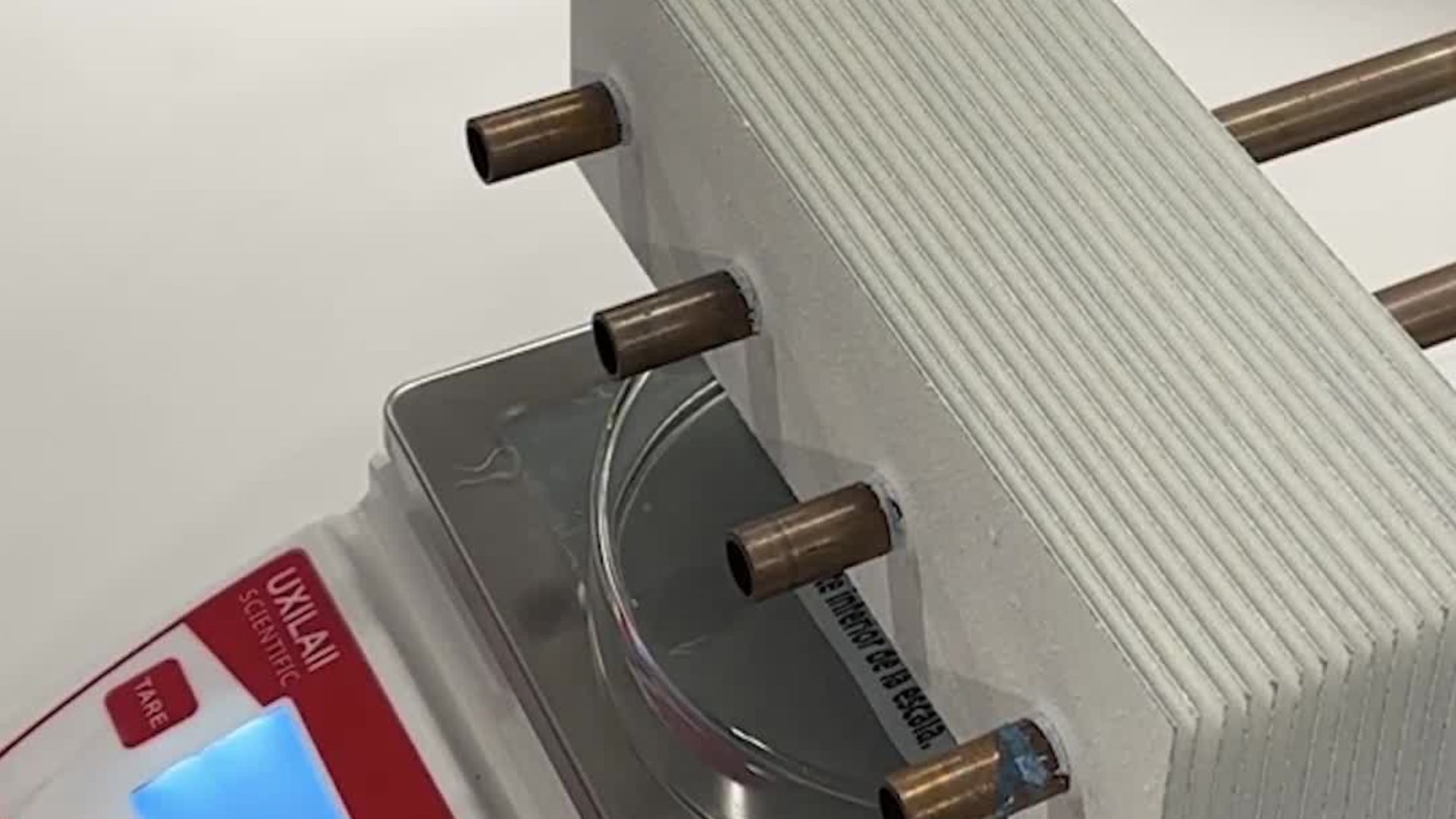
A single glass of water, clear and cool, sits on a table in a lab in California. It looks ordinary, but it was made from nothing but air—using a machine powered by materials so advanced, they once won a Nobel Prize. Atoco, a startup founded in 2023, has built devices that pull water vapor from the atmosphere and turn it into clean, drinkable water—no pipes, no wells, just science. And now, they’re testing a bold idea: turning data centers into water factories.
Data centers already consume massive amounts of electricity to keep servers running. But they also generate huge amounts of heat—heat that Atoco’s machines can use to power their water extraction process. By capturing humidity in the air and converting it into liquid water using a special metal-organic framework (MOF) material developed by Nobel laureates, these devices work even in dry climates. That’s a game-changer for regions struggling with drought, like the American Southwest or parts of Africa and the Middle East.
Atoco’s pilot project at a data center in Phoenix, Arizona, pulled 26 liters of water from the air in a single day—using only waste heat from the servers. The material at the heart of the system, a type of MOF first created by chemists Omar Yaghi and Michael Dewe, earned global acclaim for its ability to trap and release water molecules with minimal energy. The device needs no external power source beyond the heat already being vented by the data center, making it nearly zero-cost to operate.
The implications are huge. Globally, there are over 7.5 million data centers, and many are located in arid or semi-arid regions where water is scarce. If even a fraction of them adopted this technology, they could produce millions of liters of clean water every day—just by recycling their own waste heat. In a world where 2.2 billion people lack access to safe drinking water, every drop counts.
Atoco isn’t stopping at data centers. They envision installing their systems in homes, farms, and disaster zones. But the data center model proves something powerful: what we once saw as waste—heat, humidity, excess energy—can become a resource. As climate change tightens its grip, solutions like this remind us that innovation isn’t just about efficiency. It’s about reimagining what’s possible.