On a cool morning in Dalian, China, as delegates gathered for the World Economic Forum’s Annual Meeting of the New Champions, the future quietly clicked into focus: a world where buildings power cities, lithium is harvested in hours not months, and unbreakable digital locks protect data from quantum threats. The 2026 Top 10 Emerging Technologies Report, unveiled at the event, maps the innovations poised to reshape our lives by 2031 — not through spectacle, but through quiet, transformative power. Compiled by the World Economic Forum, the Dubai Future Foundation, and the science publisher Frontiers, the report doesn’t just spotlight breakthroughs; it reveals a new logic for progress, one where technology doesn’t just serve humanity but actively heals and sustains it.
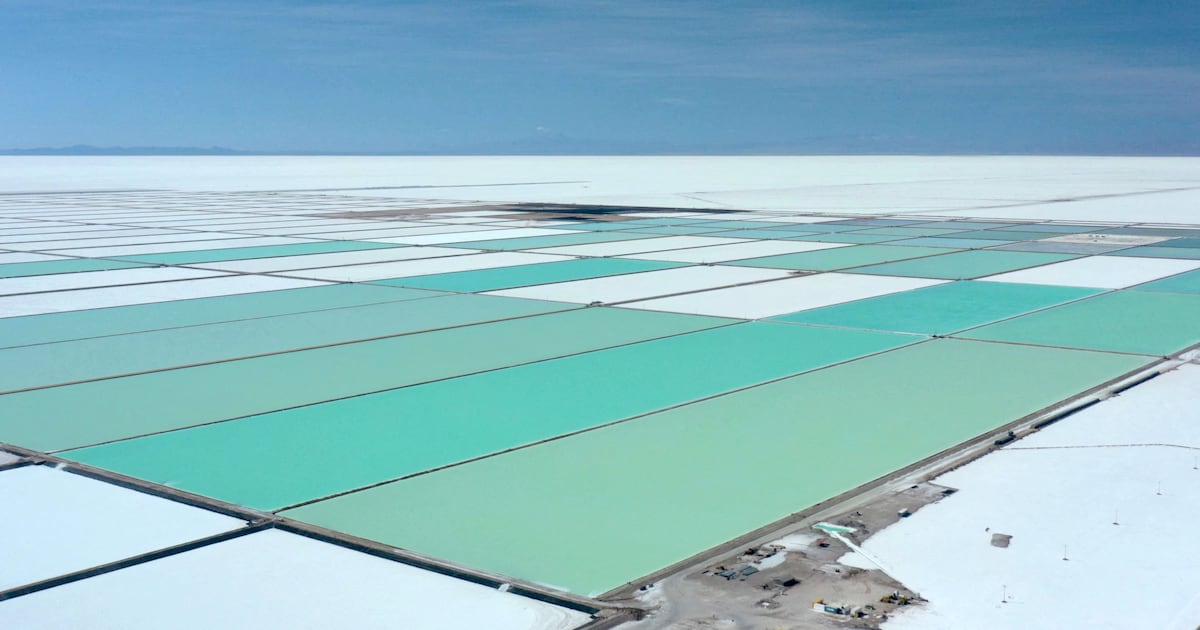
At the heart of this shift is "everything-to-grid" energy — a concept turning passive consumers into active suppliers. Imagine office towers feeding solar power back into the grid, electric vehicles stabilizing supply during peak demand, or data centers becoming energy assets instead of drains. This bidirectional flow could redefine energy resilience, especially as climate pressures mount. Meanwhile, direct lithium extraction promises to revolutionize the clean energy supply chain. Traditional methods can take up to 18 months and consume vast amounts of water, but new techniques use specialized materials to pull lithium from brine in just hours — using up to 90% less water. With global lithium demand expected to grow fivefold by 2030, this leap could lower battery costs and reduce environmental harm in regions like the Andean salt flats.
Then there’s lattice-based cryptography, a digital shield built on complex mathematical grids. As quantum computers edge closer to breaking today’s encryption, experts warn of "Q-Day" — a moment when all secure communications could be exposed. This new cryptographic approach relies on problems so complex that even quantum machines can’t solve them, offering a lifeline for everything from banking to national security. Beyond energy and security, the list includes passive radiative cooling materials that lower building temperatures without electricity, PFAS destruction methods to eliminate "forever chemicals," and personalized mRNA cancer vaccines tailored to individual tumors — a frontier in precision medicine.
"While each of these technologies has the potential to make a meaningful impact on its own, together they tell a broader story about where innovation is heading," said Stephan Mergenthaler, managing director of the WEF. These are not isolated gadgets, but pieces of a larger puzzle: a world where technology aligns with planetary boundaries and human need. As the 14th edition of the report reminds us, the next wave of progress won’t just be smart — it will be wise, grounded in open science and collective foresight. And as Dalian’s skyline shimmered under a rising sun, it was clear: the future isn’t just arriving. It’s being rebuilt, one breakthrough at a time.