Latest News
Positive stories from around the world · Good news by country
Showing 1705–1728 of 37354 articles

Standardized markers and extraction methods let labs reliably isolate thymic epithelial cells
Scientists at Cold Spring Harbor Laboratory struggled for years because every lab studied the thymus gland differently. The thymus trains immune cells, but its rare teacher cells are hard to separate from surrounding tissue. Led by Hannah Meyer, the team tested 15 human thymus samples and built a standard method. It uses a panel of seven markers that any lab can adopt.
Canterbury leads NZ in small business jobs growth | The Press
Small business jobs in New Zealand grew 2.5% over the year to the September quarter of 2026. That is faster than the 1% growth seen in the June quarter. Canterbury led the country in this growth. The news suggests more people are finding work at small firms.

APOD: 2026 November 16 – NGC 7129: Star Formation with Jets from Webb
NASA's James Webb Space Telescope took a detailed picture of NGC 7129, a cloud of gas and dust where young stars are forming. Fast jets of gas shoot out from these new stars. The image helps scientists understand how stars grow and are born.
Cardiff's Kronk? The gym where Welsh champions train
The Phoenix boxing club in Cardiff, Wales, has become a training home for Welsh boxing champions. Former middleweight champion Gary Lockett runs the gym. His work has helped many local fighters reach the top of the sport.
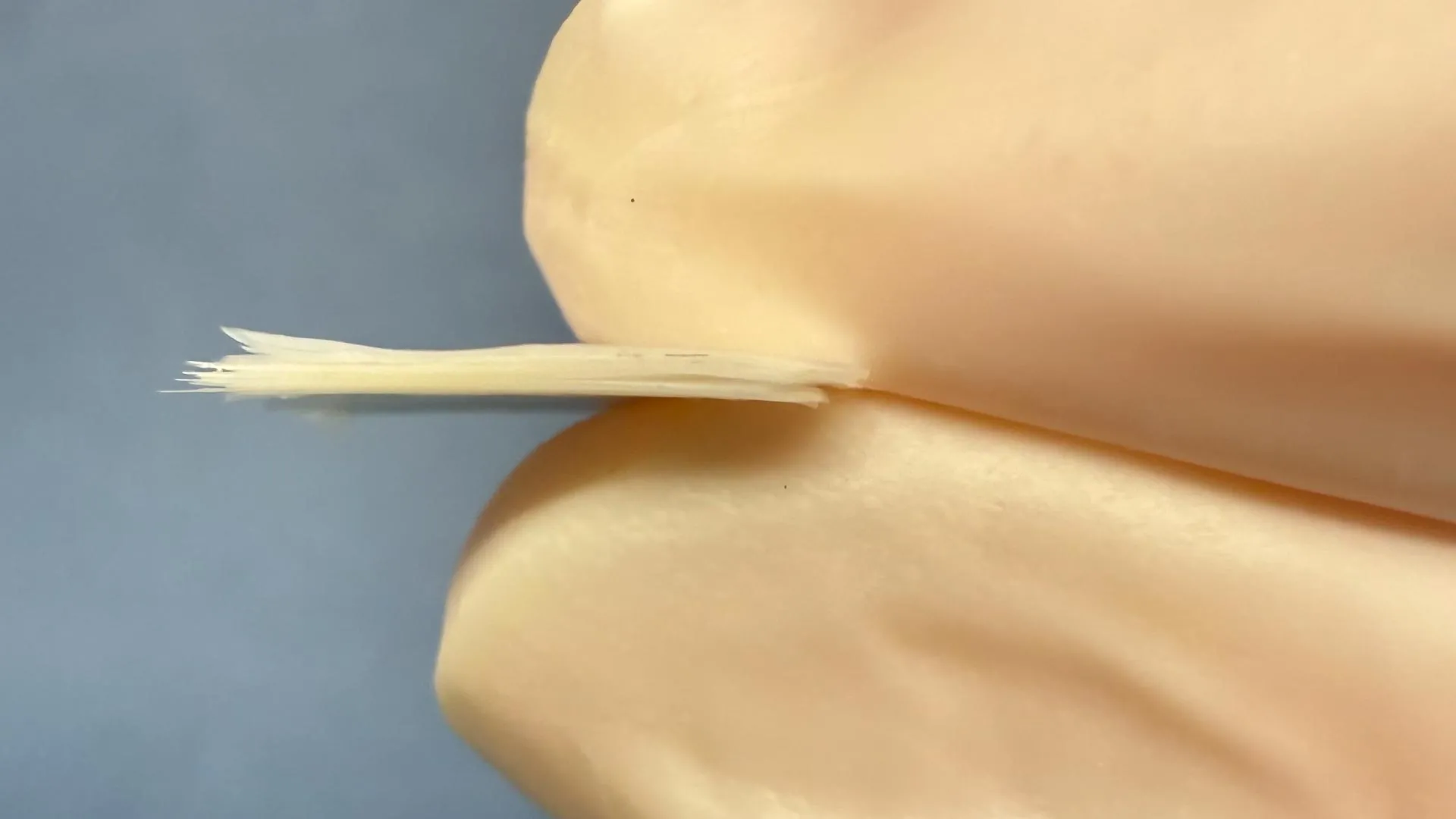
The secret to building Moon bases may be hiding in emergency blankets
Scientists have found a way to turn the thin plastic from emergency blankets into strong insulation. The material is made of hundreds of stacked layers. It keeps its heat-blocking power even under crushing pressure. This could help build lunar habitats that last longer and handle the Moon's extreme temperatures.

Indiana Jones at the fish market: David Ebert on a life spent searching for ‘lost sharks’
Marine biologist David Ebert, a Californian known as the "Lost Shark Guy," searches the globe for rare sharks, rays, and chimaeras. Many of these animals have not been seen alive in decades. His search often starts with an old photo or a museum specimen. He then visits busy fish markets and far-off fishing ports to find out whether the species still exists.
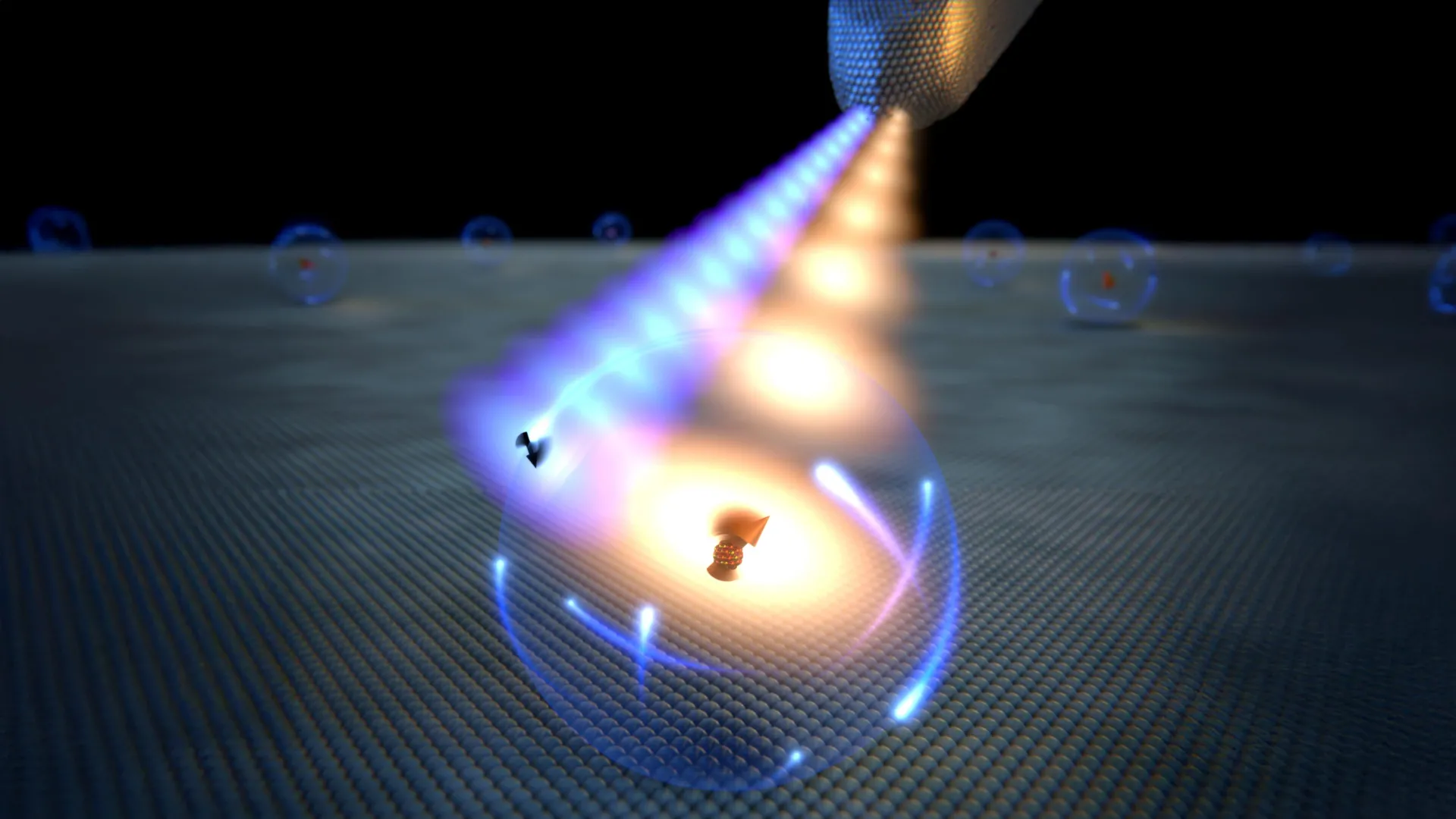
Physicists defy expectations by controlling the magnetic heart of a single atom
Scientists found a surprising way to control the magnetic spin inside an atom's nucleus. They used radio waves to do it. This result breaks old ideas about how atoms behave. It could help build more reliable quantum memory, which stores information for future computers. Researchers still don't fully understand why it works.

MIT scientists discover a surprising way to boost the brain’s nighttime cleaning system
MIT scientists found that carefully timed bursts of gentle pink noise during sleep can strengthen the brain's natural cleaning waves. These waves help flush away waste that could be harmful. The discovery could lead to new treatments that improve sleep and memory. It may also reduce the buildup of proteins linked to Alzheimer's disease.
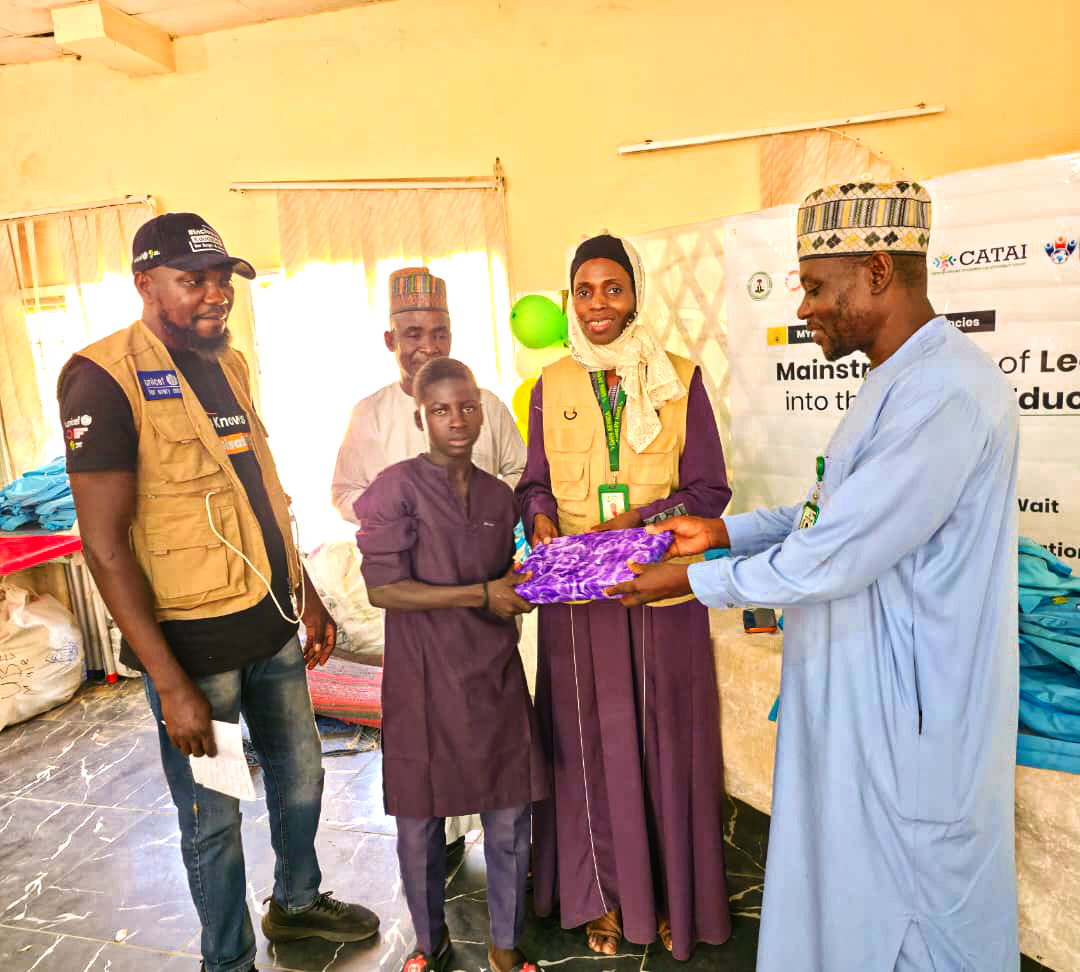
1,080 out-of-school children return to school in Yobe
1,080 children in Yobe State, Nigeria, who were not in school have finished a non-formal learning programme. A total of 877 will now enter regular schools. Another 150 will move on to job and vocational skills centres, and 53 will continue Islamic education. The celebration took place in Jakusko Local Government Area.
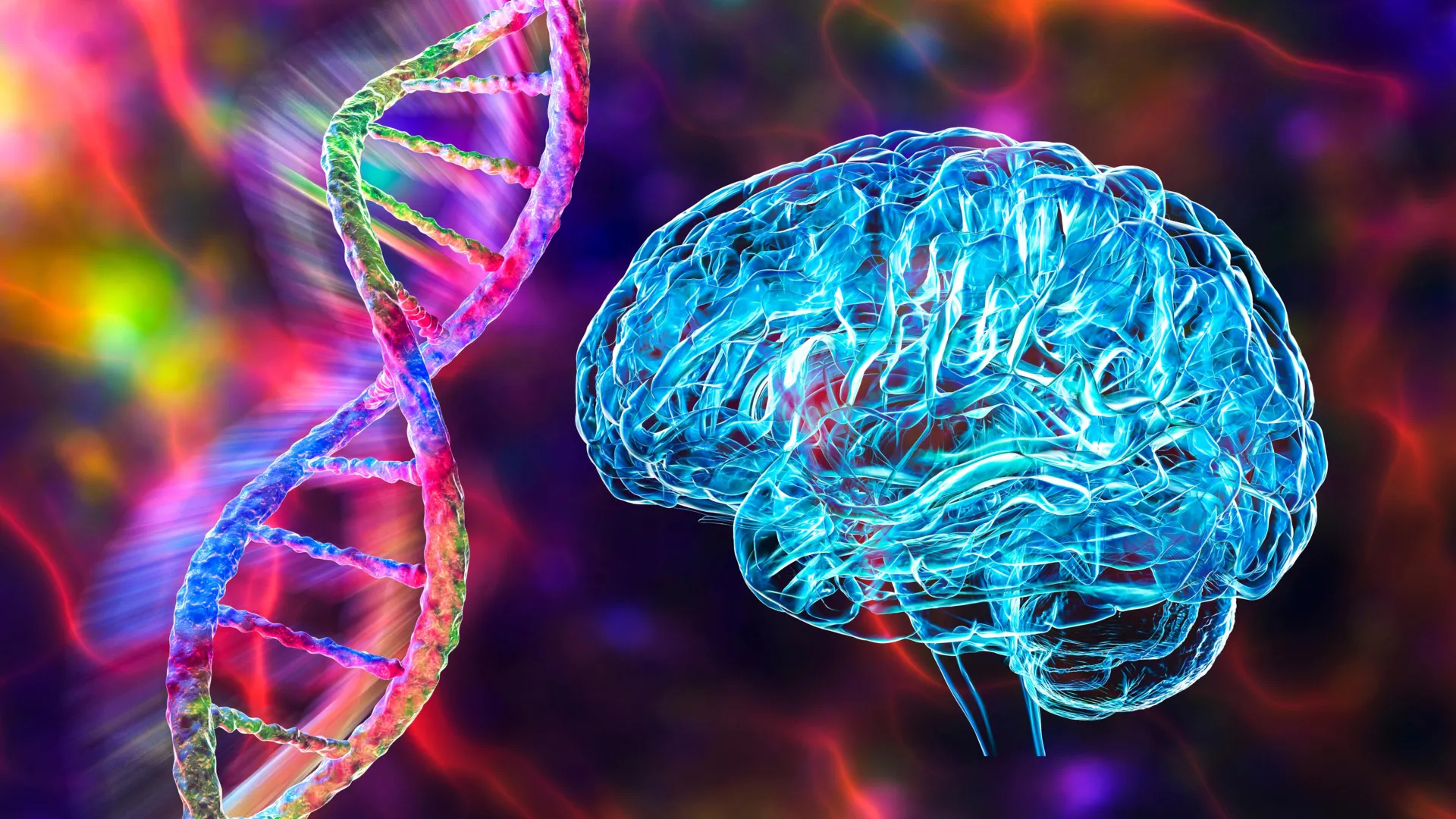
An ancient virus may help explain what makes the human brain different
Scientists at Lund University in Sweden studied DNA left behind by a virus that infected chimpanzees millions of years ago. That viral DNA switches off a gene called LINC00662 in chimpanzees. In humans, this gene stays active and seems to help the brain develop early on. The finding may explain one way humans and chimpanzees differ.

Milk and wine used in Menorcan funerary rituals over 2,000 years ago
Researchers studied 34 ceramic pots from Cave 45 at Calescoves, in Alaior, Menorca. The pots were used over 2,000 years ago in burial rituals. Most held dairy products such as milk. A few held wine, which came from Mediterranean trade, showing the first evidence of wine in a Menorcan funeral ritual.

This Tourette’s wrist device cut tics by a quarter in a UK trial
A wrist device called Neupulse reduced tic frequency by an average of 25% in a 2023 clinical trial. The trial included 121 people in the UK. Tourette's causes sudden, repeated movements or sounds called tics. The device came out of research at the University of Nottingham, and users say its effect feels much bigger than 25%.

Archaeologists uncover a witness to the Neolithic revolution
Scientists studied the skeleton of "Rødhals Man," a hunter-gatherer buried on Sejerø island in Denmark about 6,000 years ago. Radiocarbon dating and isotope tests show he lived through the arrival of farming. As a child he relied mostly on the sea for food. As an adult he ate far more land foods, likely from contact with farmers. His life gives a rare, first-hand view of a major shift in human history.
Architecture of a portal complex embedded in the poxvirus core
Scientists have mapped the 3D structure of a portal complex built into the core of poxviruses. Poxviruses are a family of viruses that includes smallpox. The portal is the gateway that lets genetic material move in and out of the virus core. Knowing its shape could help researchers design future antiviral treatments.
US Supreme Court rebuffs White House effort to cut research grants
The US Supreme Court has declined, for now, to step into a key case. The White House had tried to cut research grants. Lower court rulings that brought back several hundred cancelled grants will stay in place. Scientists can keep their funding while the case continues.
Genetic variant that reshaped the human brain was inherited from Neanderthals
Scientists found a gene variant that people inherited from Neanderthals. This ancient DNA may make some parts of the human brain smaller. It may also lower the risk of schizophrenia, a serious mental illness that affects how people think and feel.
60 minutes of perfection, 30 minutes of chaos - an England win for the ages
England beat Spain 3-2 in a Nations League match at the Metropolitano stadium in Madrid. It ended Spain's unbeaten run of 43 games. Harry Kane scored a penalty, and Ezri Konsa and Ben White added goals early in the second half. Spain fought back late, but England held on to win.

Revitalizing the languages of the Oceti Sakowin
South Dakota State University offers a certificate and, since last year, a minor in the Lakota, Dakota and Nakota languages. These are dialects of the Oceti Sakowin, also called the Seven Council Fires. Teachers say learning starts with introducing yourself through family ties. Students like Zetta Kuhl are taking the class to connect with their Lakota roots.
WTA Finals: Mirra Andreeva beats Elina Svitolina to win season-ending title at Indian Wells - BBC Sport
Mirra Andreeva, just 19 years old, won the WTA Finals season-ending tennis title at Indian Wells, California. She beat Elina Svitolina in the final. Andreeva was the standout player of the week, despite feeling nervous when she arrived.
Teenager Andreeva caps stunning week with WTA Finals title
Mirra Andreeva, 19, won the WTA Finals women's tennis title in Indian Wells, California. She beat Elina Svitolina 7-5, 6-3 in the final. She did not lose a set all week. At 19, she is the youngest winner of the event in 22 years.
First win for Duncan after 12 years & 222 attempts
American golfer Lindy Duncan won her first LPGA Tour title at The Annika in Belleair, Florida. It came on her 222nd try after 12 years on tour. She finished at 16 under par, two shots ahead of South Korea's Choi Hye-jin. The win moved her into the season-ending CME Group Tour Championship.

WTA Finals final: Mirra Andreeva beats Elina Svitolina in straight sets – as it happened | WTA Finals | The Guardian
Mirra Andreeva beat Elina Svitolina in straight sets to win the WTA Finals final. It was her first time playing at this elite event. She dropped no sets all week and conceded just 18 games in four matches. She also beat the top seed, Aryna Sabalenka, 6-4, 6-0.

Canada pledges millions to Brazil's Tropical Forests Forever Facility | The Jerusalem Post
Canada has pledged up to C$560 million, about $392.5 million US, over four years. The money goes to the Tropical Forests Forever Facility, a fund led by Brazil. The fund pays countries to keep their tropical forests standing. The Canadian government announced the pledge in a statement on Sunday.

When the Saudi desert was green: A 125,000-year-old lakeside reveals how early humans lived
Scientists studied the Uruq al-Julaybah site in Mundafan, southern Saudi Arabia. They found large animal remains, stone tools, and rare plant material. The site is about 125,000 years old. Together, the finds show how early people hunted and used their land when the region was greener and wetter.