In the Amazon, a river helped scientists see howler monkeys differently. Genetic lineages on opposite sides of Brazil’s Branco River turned out to be distinct, part of a sweeping study that formally described two previously unrecognized species: the Pantepui red howler monkey and the Mato Grosso red howler monkey.
The discovery is one small window into a larger climate story: the planet is changing across landscapes, but careful research and local knowledge can help make those changes visible—and guide a response.
Reading the signs in forests and fields
The howler study, led by Romina Batista of the University of Salford and Brazil’s National Institute of Amazonian Research, analyzed more than two terabytes of genomic data, alongside physical traits and museum specimens. A more yellowish coat helped distinguish one species. More than a decade of fieldwork made the comparison possible.
In Japan, long-term records offer another kind of evidence. Researchers at Osaka Metropolitan University examined monitoring data from 191 forest plots, collected between the 1950s and 2020. Their study, published in Forest Ecosystems, found changes in forest structure and shifts toward tree groups adapted to warmer climates. Japan’s broad range of climates makes its forests a revealing place to track these transitions.
Climate change is also visible in a cup of tea. In Taiwan’s high-altitude Alishan region, production fell 13.5% from 2014 to 2023 as warming, drought and soil degradation put pressure on prized oolong. Alishan warmed by 0.7°C in the past decade—nearly three times Taiwan’s average rate—and the mist that helps keep tea leaves moist is dissipating.
Some growers are responding by working with nature rather than adding more chemicals. Longyanlin farmer Lin Kuang-li, a sixth-generation grower, shifted away from pesticides 30 years ago. He grows alfalfa for green manure and uses cut branches as ground cover to retain moisture. These practices do not erase drought or landslides, but they show how adaptation can begin with the soil beneath a farm.
Land is precious—and policy has to reflect that
A study from the Potsdam Institute for Climate Impact Research, published in Nature Sustainability, examines the links between two climate priorities often treated separately: phasing out fossil fuels and reducing emissions from land. Its analysis suggests a balanced mix can keep costs lower while meeting climate goals.
Land-based measures include restoring forests, wetlands and soils, protecting ecosystems, and cutting agricultural methane and nitrous oxide. But land is limited. Growing crops for biofuels or carbon removal can compete with food production and affect water and biodiversity. The researchers’ central point is not that land can replace the energy transition, but that the two need to be planned together.
That joined-up approach is increasingly on the agenda at COP31 in Antalya, Türkiye. The Netherlands pledged up to $500 million for the Tropical Forest Forever Facility, which aims to finance payments to countries that demonstrably protect tropical forests. At least 20% of those payments are earmarked for Indigenous peoples and local communities, according to Human Rights Watch. The fund’s promise will depend on durable financing and meaningful safeguards, but it offers a route to reward forest protection rather than treat it as an unfunded obligation.
Climate action has to reach home
At COP31, cities also moved closer to the center of the conversation. Flooded homes, dangerous heat and inadequate drainage are not distant projections for many residents; they are daily risks. UN-Habitat chief Anacláudia Rossbach argued that protecting cities means protecting the people who live in them. A new disaster-risk financing platform aims to unlock more than $3 billion to protect 75 million people from climate shocks by 2030.
The transition also meets people at their electrical panels. In the United States, roughly a third of homes have capacity of 100 amps or less, according to Lawrence Berkeley National Laboratory research cited by Grist. That can make adding a heat pump or EV charger costly, even when households want to move away from fossil fuels. Better planning and practical options for managing electrical loads can help keep those upgrades within reach.
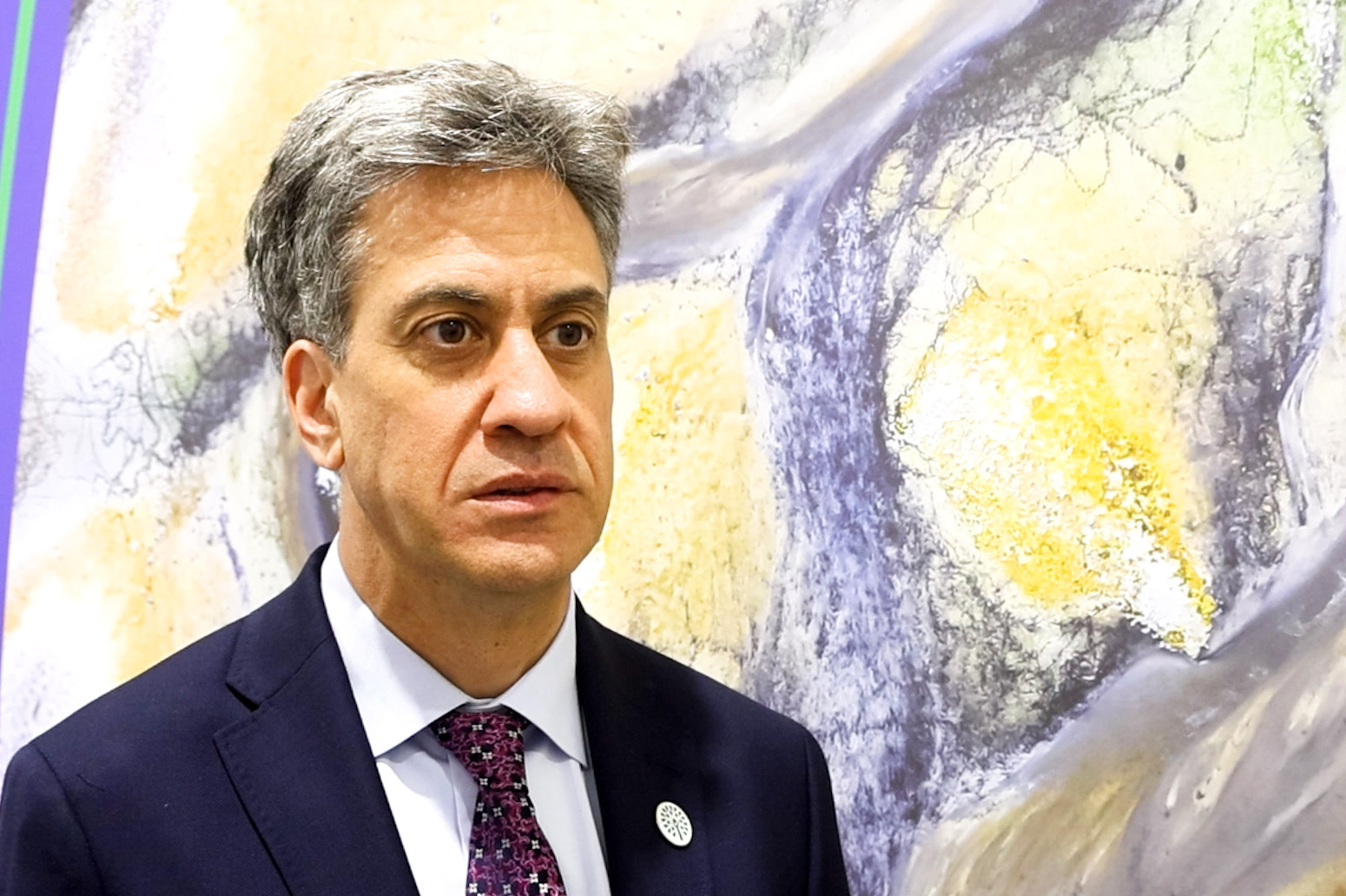
At the conference, UK Foreign Secretary Ed Miliband defended the COP process and highlighted methane action and support for a “35×35” electrification pledge, while criticism over the Jackdaw gas-field approval underscored the tensions between climate targets and fossil-fuel decisions.
The work ahead is not one grand fix. It is research that recognizes species, farms that build resilience, funding that reaches forest communities, and homes and cities designed for a warmer world. The more these pieces connect, the more climate action can protect both the places people depend on and the living systems they share.
Sign in to join the conversation.
Comments (0)
No comments yet. Be the first to share your thoughts.