Deep beneath the churning waters of the Coral Sea, a sea turtle equipped with oceanographic sensors encounters something remarkable: the eye of a tropical cyclone. As the storm rages above, sensors on its shell capture something scientists have long sought—precise data on how ocean temperatures shift as cyclones pass overhead. This unlikely data collector is helping meteorologists refine their forecasts, potentially saving lives along Australia's northern coast.
It's a striking image that captures something larger happening across the world in 2026: technology and human ingenuity are pushing into new frontiers, and the benefits are finally reaching beyond elite laboratories into everyday life.
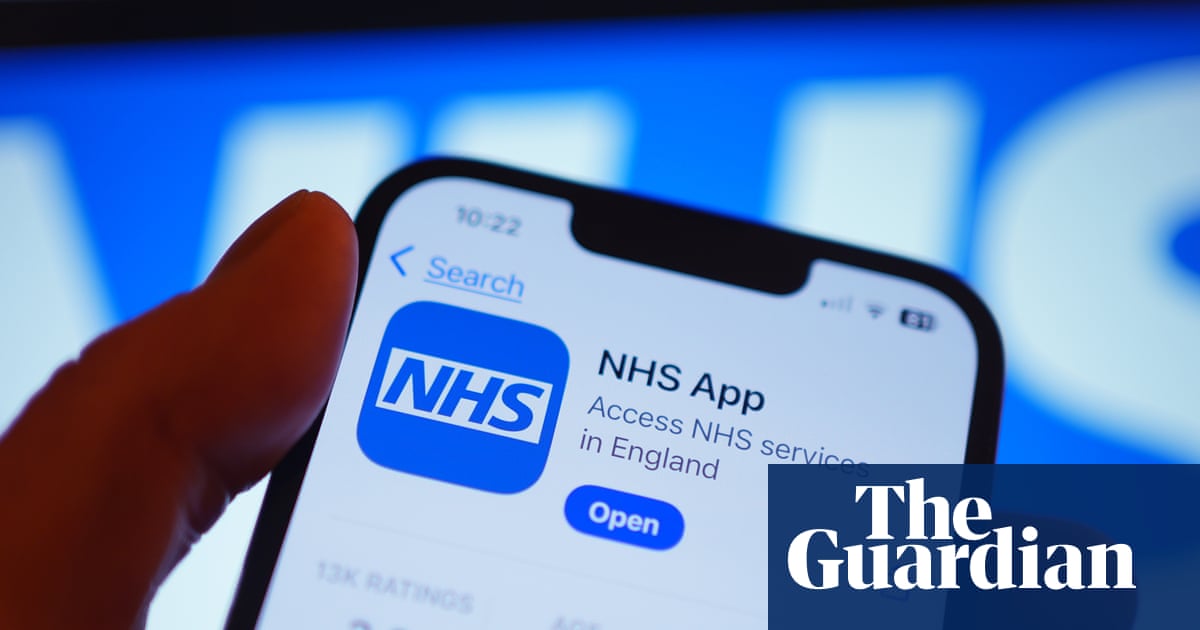
In healthcare, AI is proving its worth in ways that would have seemed like science fiction a decade ago. The UK's National Health Service is rolling out an AI-powered triage tool on its app, designed to direct patients to the right care—whether that's a GP appointment, a pharmacy, or the local emergency department. The update is expected to reach 200,000 patients over the next year, part of a £10bn government package to modernize the health service. A trial at Wealden Ridge Medical Partnership in Sussex saw a 29% drop in call volumes for same-day appointments. "I'm certain that new technological advances will get patients to the right care faster, free our brilliant clinicians from mountains of paperwork," said Health Secretary James Murray.
Meanwhile, in oncology, AI tools are transforming cancer detection. Specialized large language models and AI-assisted CT scans are enabling earlier diagnoses, while foundational models are democratizing pathology—giving more clinicians access to capabilities once limited to major research centers. The National Cancer Institute has called this an "unprecedented opportunity" to improve patient outcomes.
Over in the North Sea, researchers from the Norwegian University of Life Sciences and Wageningen University have taken over 120,000 images of salmon lice larvae and trained AI models to identify the parasites with speed and accuracy that outpace experienced marine biologists. This tiny louse has long threatened wild salmon populations, but new AI-powered monitoring could finally give aquaculture a fighting chance.
And in Owerri, Nigeria, researcher Chiemeziem Agbonma Onyeka is tackling food security with a different kind of frontier science. Working at the Federal University of Technology, she's successfully cultivated Lentinus squarrosulus—a wild, edible mushroom with medicinal value—using nothing more than sawdust, an agricultural byproduct. "Mushroom farming in Africa is still developing," she told Mongabay. "In many regions, there is still limited awareness that mushrooms can be cultivated as a reliable year-round agricultural crop rather than only collected from the wild during specific seasons."
The common thread running through all these stories? Innovation spreads when it meets local knowledge. In India, a program called Digital Sakhi is turning rural women into digital changemakers, training them to serve as bridges between underserved communities and essential services—banking, government schemes, digital payments. First piloted in Maharashtra, the program has now expanded to eight states and reached 7.5 million people as of fiscal year 2026. "They serve as the last-mile bridge between underserved households and essential services," said Apurva Rathod, Chief Sustainability Officer at L&T Finance.
Prime Minister Narendra Modi recently celebrated 11 years of India's Digital India initiative, noting that when over a billion people embrace technology, the impact is transformative. The program has reshaped everything from mobile banking to e-governance, giving India "a new identity worldwide."
From cyclone-tracking turtles to AI-assisted cancer detection, from mushroom cultivation using waste to digital literacy for rural women, the frontiers of 2026 aren't just technological—they're human. The tools are powerful, but it's the researchers, clinicians, and community leaders translating them into real-world impact who are quietly rewriting what's possible.
Sign in to join the conversation.
Comments (0)
No comments yet. Be the first to share your thoughts.