When Big Plans Fall Apart
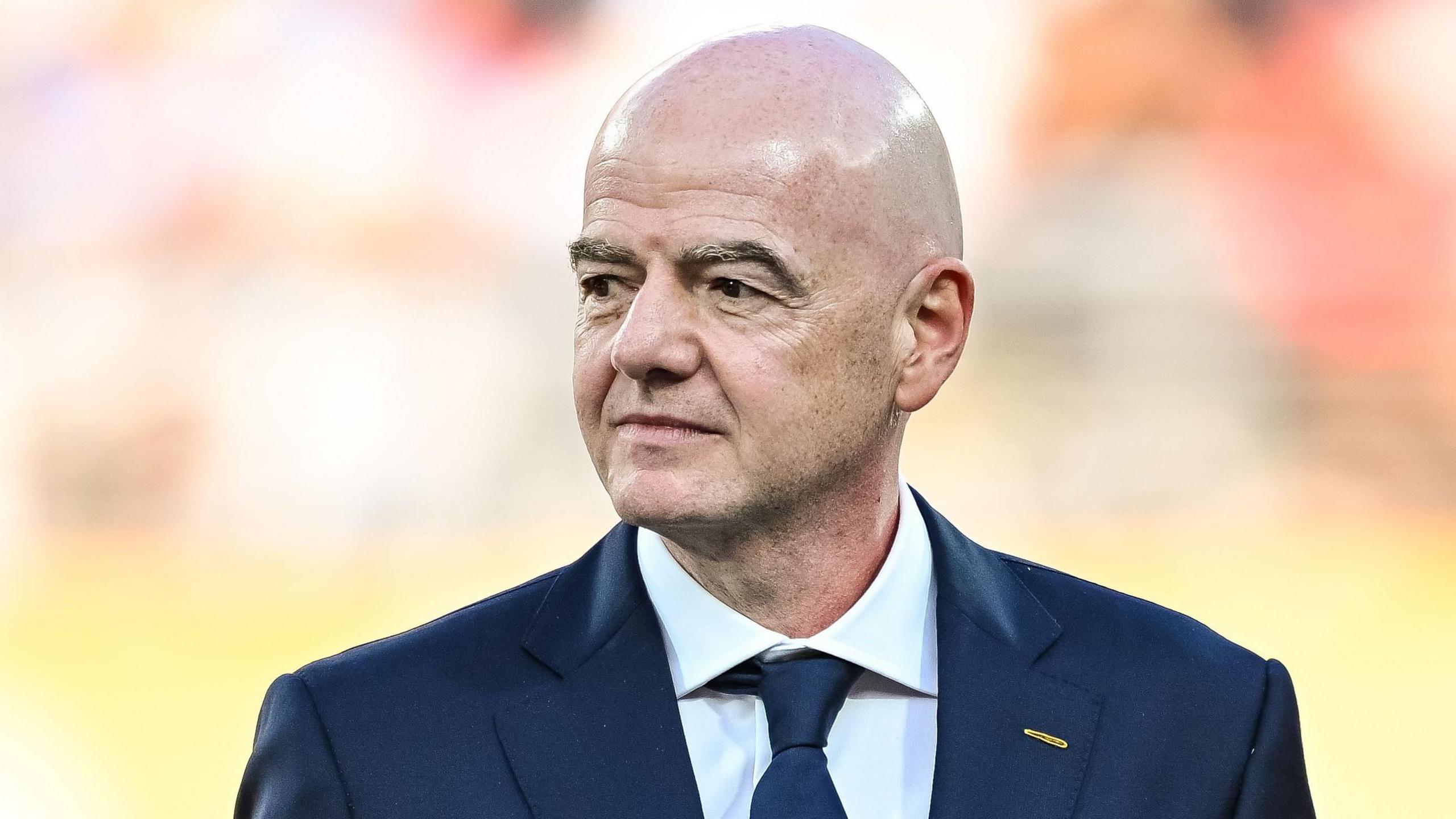
Gianni Infantino wanted to sell off pieces of football's crown jewels. Kevin Lamour wouldn't let him sleep easy at night.
In a stunning revolt that swept through football's governing halls this week, FIFA's president saw his controversial plan to sell minority stakes in the World Cup and other major competitions crumble under a unified backlash. UEFA's 55 member associations voted to boycott the proposal. The Asian Football Confederation stood in "solidarity." Concacaf members, sources said, had already lost faith in Infantino. Even UK Prime Minister Andy Burnham declared him "the wrong man" to lead FIFA.
Lamour, FIFA's own chief operating officer, broke ranks spectacularly. "A president must bring people together, unite them, and inspire them," he wrote in a statement that didn't mention Infantino by name. "Today, we are experiencing the opposite." He resigned his advisory role, saying the proposal would "mortgage football's future." His parting words: "If that means I lose my job, then so be it. At least I'll sleep well tonight."
The Games That Almost Weren't
While football's leaders clashed in boardrooms, Glasgow was proving something different is possible.
Just 18 months ago, the Scottish city stepped in when Victoria, Australia withdrew. No mega-budget. No gleaming new stadiums. No athlete villages built from scratch. Eilish McColgan, watching from the sidelines after her own 10,000m final, called it a "template for future multi-sport events." "Glasgow has stepped up," she said. "I hope this gives the Games a bit of life to continue."
The proof was in the pool—and on the track.
Northern Ireland's Ellie McCartney, 21, claimed her first senior international medal with bronze in the women's 200m breaststroke, touching 0.16 seconds ahead of Australia's Ella Ramsay in 2:24.73. Scotland-born Katie Shanahan had her own choice to make: Love Island came calling, producers asking if she'd spend summer in Mallorca hunting for romance. She turned them down. "The swimming had to come first," Shanahan said. Last Friday, she took silver in the 200m breaststroke at the Tollcross centre.
On the cycling track, Wales claimed women's team sprint gold in a Commonwealth Games record of 46.760 seconds—Emma Finucane, Rhian Edmunds, and Lowri Thomas upgrading from Birmingham 2022 bronze. And England's netballers produced a pulse-racing comeback against South Africa, clawing back from a six-goal deficit to reach the semi-finals 58-54.
What These Stories Have in Common
Football's leaders tried to sell pieces of their heritage to investors. They got shut down. A small American school district tried to deploy a humanlike robot named "Sally" in classrooms—$60,000 from Realbotix, complete with the controversy of its sister company's sex doll business. Parents and teachers pushed back. The plan paused.
Meanwhile, athletes and cities are choosing different paths: Glasgow chose community over spectacle, McCartney chose discipline over shortcuts, Shanahan chose her dream over TV fame. The Commonwealth Games, once written off as a fading relic, keeps finding reasons to exist.
The lesson, if there is one: big plans don't always need big budgets or private equity. Sometimes the best investments are the ones you don't sell.
Sign in to join the conversation.
Comments (0)
No comments yet. Be the first to share your thoughts.