A Summer of Strides: How Communities Around the World Are Redrawing the Map of Human Rights
On a humid March morning in Jos, Nigeria, Fatima Muhammad did something she had never done in her life: she walked through the city streets, not hiding, not apologizing, but marching openly for her son Alameen—born with Down's syndrome in 2015, and subjected since childhood to strangers who ran away screaming profanities at the sight of him.
"When I go out, people throw jabs at us," Muhammad told The Guardian. Yet this year, she joined more than 100 people from Plateau State marking World Down Syndrome Day, a small but seismic shift in a country where disability occurs in an estimated 1 in 865 live births and where families have long been told to abandon or drown children like Alameen.
This July, that spirit of defiance rippled across the globe.
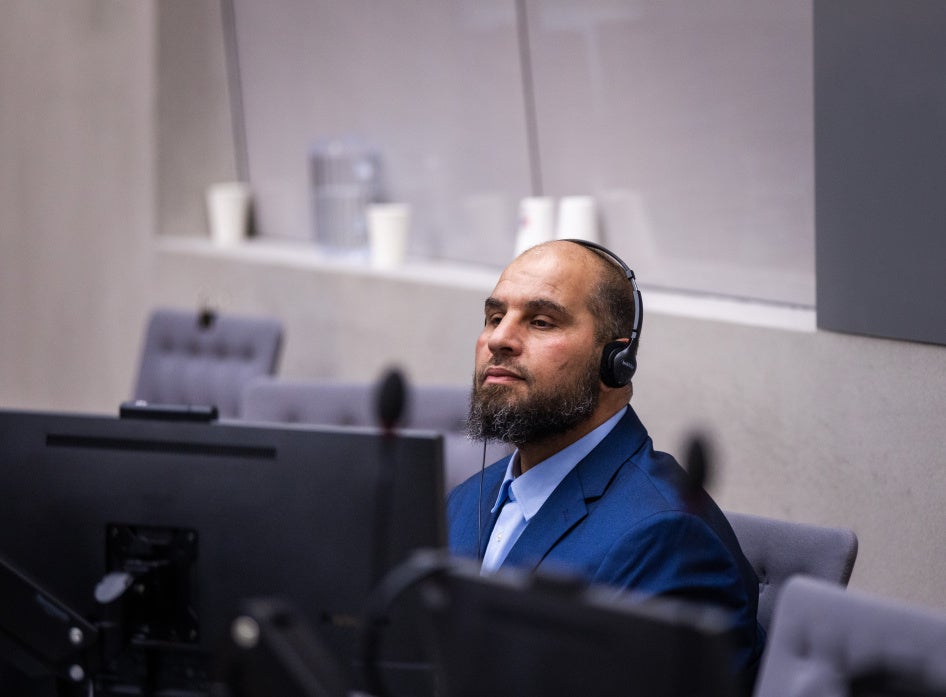
In The Hague, the International Criminal Court took a monumental step on July 16, 2026, unanimously confirming 17 counts of war crimes and crimes against humanity against Khaled Mohamed Ali El Hishri—marking the first Libya case to move to trial after 15 years of investigation. The charges include torture, rape, sexual violence, murder, enslavement, and persecution allegedly committed against detainees in Tripoli's Mitiga Prison since 2015.
"The ICC's decision to move its first Libya case to trial opens a long-awaited door to justice for victims of Libya's abusive detention system," said Alice Autin, international justice researcher at Human Rights Watch. "Libyan authorities should support the proceedings and surrender remaining suspects in Libya to the court."
In Beirut, Lebanese lawmakers debated a draft law that would make their nation the first in the Middle East to formally abolish the capital punishment. Parliamentary committees approved the legislation on July 9, with an estimated 84 prisoners currently facing death sentences in the country, which has maintained an unofficial moratorium on executions since 2004.
"Parliament should ensure that this law is enacted and the death penalty is removed from all provisions of Lebanese law," said Ramzi Kaiss, Lebanon researcher at Human Rights Watch.
Meanwhile, across the Atlantic, LGBTQ+ Ohioans were celebrating a courtroom victory against the Trump administration, with Cleveland's mayor affirming that the city has protections for gender expression written into HR manuals and participates in Pride Month "at every level." In Washington, the administration abandoned an anti-trans hospital rule after what one advocate called "an avalanche of opposition"—a reminder, they said, of "our movement's power to fight back, speak up, and win."
Even the world's most beloved sport is catching up. FIFA launched a groundbreaking guide this month for pregnant and post-partum soccer players, developed with a University of Alberta researcher—the first step-by-step decision aids to help players, coaches, and doctors navigate when to leave the pitch and how to return.
In Borneo, Indigenous communities are racing against construction cranes to preserve their acoustic heritage—recording the calls of birds, frogs, and mammals before the forest transforms forever under Indonesia's new capital, Nusantara. For the Balik people, these sounds are not just data; they are identity, memory, and a record of a world in flux.
The thread connecting these stories is not just rights—it's resilience. From detention centers in Tripoli to city streets in Jos, from courtrooms in The Hague to hospital wards in Ohio, people are demanding recognition, dignity, and change. Some battles are won; others are just beginning. But across eight countries, one thing is clear: the map of human rights is being redrawn, one community at a time.
Sign in to join the conversation.
Comments (0)
No comments yet. Be the first to share your thoughts.