The Underground Solution That Could Power the AI Age
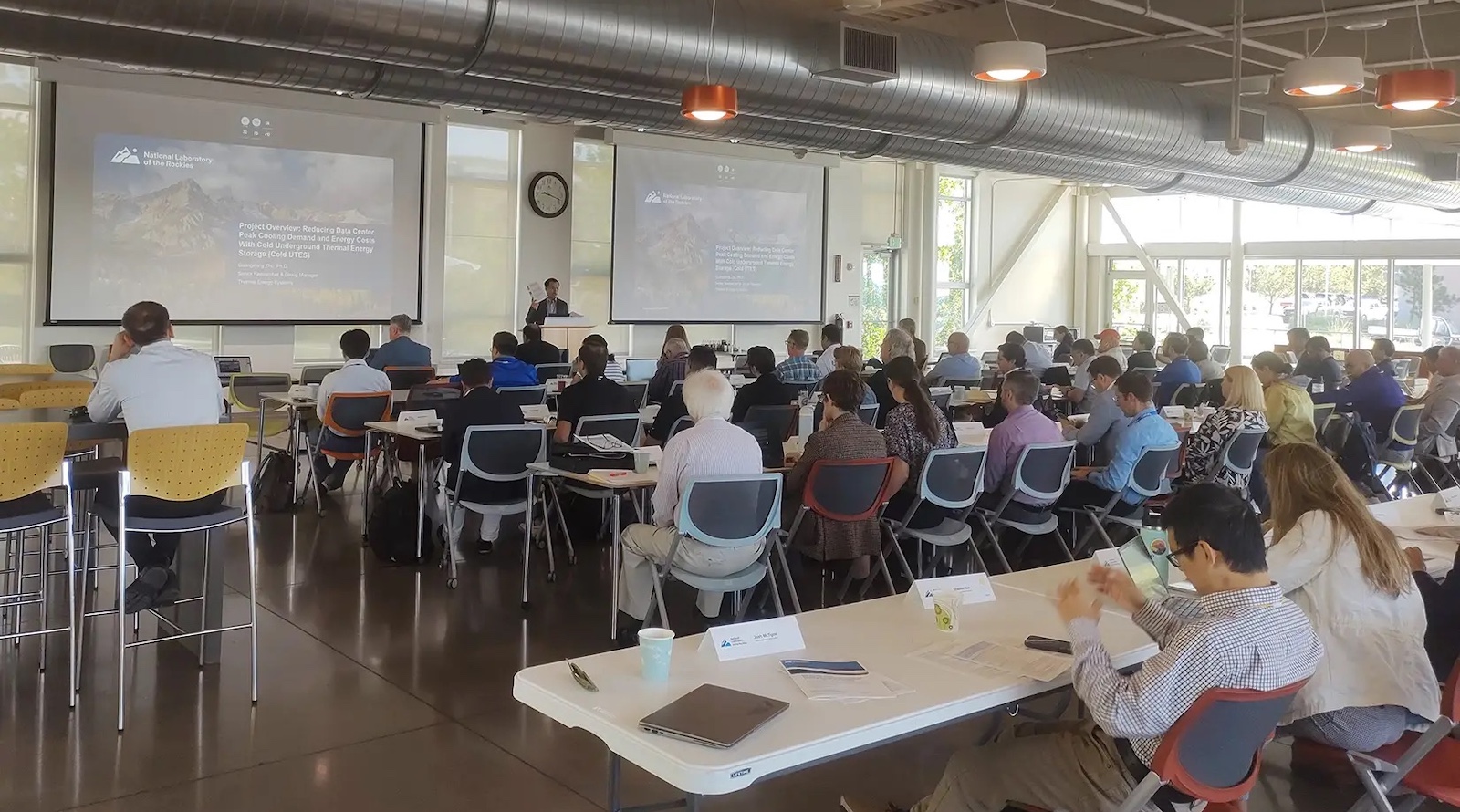
Deep beneath the National Laboratory of the Rockies, something remarkable is happening. Researchers are stuffing cold winter air into the earth—literally—and planning to use it to cool the servers that power our AI-driven world. At a June 2026 workshop, data center operators and scientists gathered to confront a quiet crisis: computing facilities now consume up to 40% of their total energy just staying cool.
The answer they've landed on is cold underground thermal energy storage (cold UTES), a system that captures chill from winter nights or cool ambient air and stores it in subsurface reservoirs until summer demands it. The storage scale is staggering—up to terawatt-hours of capacity spanning days or even months. This isn't some boutique experiment; it's a blueprint for decoupling the AI boom from skyrocketing energy demands.
Meanwhile, half a world away in Southeast Asia, a parallel revolution is unfolding on wheels.
Electric Vehicles Hit Critical Mass
In Jakarta, Beijing Automobile Works just planted its flag at the 2026 Gaikindo Indonesia International Auto Show, anchoring its right-hand-drive market entry on electric passenger vans, city commuters, and commercial delivery trucks. The company plans to build a knock-down assembly plant in West Java—not just for Indonesia, but as a regional export hub for all of Southeast Asia. Their flagship M8 electric MPV offers 505 kilometers of range and fast-charging that takes the battery from 30% to 80% in under 45 minutes.
In Manila, ACMobility is tackling a different piece of the puzzle: public transit. Through partnerships with Basic Energy Corporation and Grab Philippines, the Ayala Group's mobility unit is deploying charging hubs specifically designed for electric buses operating under the Iwas Taas Pamasahe Transport Solutions Program. The model is refreshingly practical—local operators transition to electric buses with zero upfront costs and full ownership after five years.
"Our transition to electric mobility can only be complete if we also electrify public transport," said Carla Buencamino, head of mobility infrastructure at ACMobility.
And in China, Arcfox just made battery swapping accessible to everyday drivers. Their new Beta T1, built in partnership with CATL (the world's largest battery producer), offers the option to rent batteries rather than buy them outright. For an entry-level EV priced at 62,800 yuan, eliminating the upfront battery cost could be the unlock that brings electric mobility to millions of new buyers.
The Policy Win That Opens the Door
But technology alone doesn't drive change. In Colorado, a district court just handed Sierra Club and clean energy advocates a significant victory by dismissing an industry lawsuit against Denver's building energy codes. The ordinances—designed to reduce air pollution from buildings and cut energy bills for residents—will stand.
"Denver residents support action against severe pollution and this decision upholds a community's local right to cut harmful air pollution," said Dylan Plummer, Deputy Director of the Sierra Club's Clean Heat Campaign.
The ruling joins a growing chorus of courts across the country recognizing that federal law doesn't prevent states and local governments from encouraging building electrification. It's a green light for cities grappling with some of the world's worst air quality, worsened by wildfire smoke this very summer.
The Numbers Behind the Momentum
Australia's energy market tells the same story in aggregate. According to the Australian Energy Market Operator's latest Quarterly Energy Dynamics report, the country is producing record renewable energy output—driving coal generation down 5% and gas by 30% to their lowest Q2 averages since 2003. Year-on-year, renewables grew 37.1%, with wind up 20%, grid-scale solar up 12%, and rooftop solar up 7%. The result? The lowest wholesale electricity prices in the National Electricity Market since 2020.
Bloomberg New Energy Finance doubts Australia can hit its 82% renewable target by 2030, citing grid connection delays. But history suggests BNEF forecasts have been consistently wrong—they underestimate innovation.
Where We Go From Here
Look around your city. The buses are getting quieter. The air is getting cleaner. The data centers humming in industrial parks are finding smarter ways to run. In 2026, the clean energy transition isn't a single moment—it's a thousand small wins adding up to a fundamental shift in how humanity powers itself.
The question is no longer whether this future arrives. It's how fast.
Sign in to join the conversation.
Comments (0)
No comments yet. Be the first to share your thoughts.