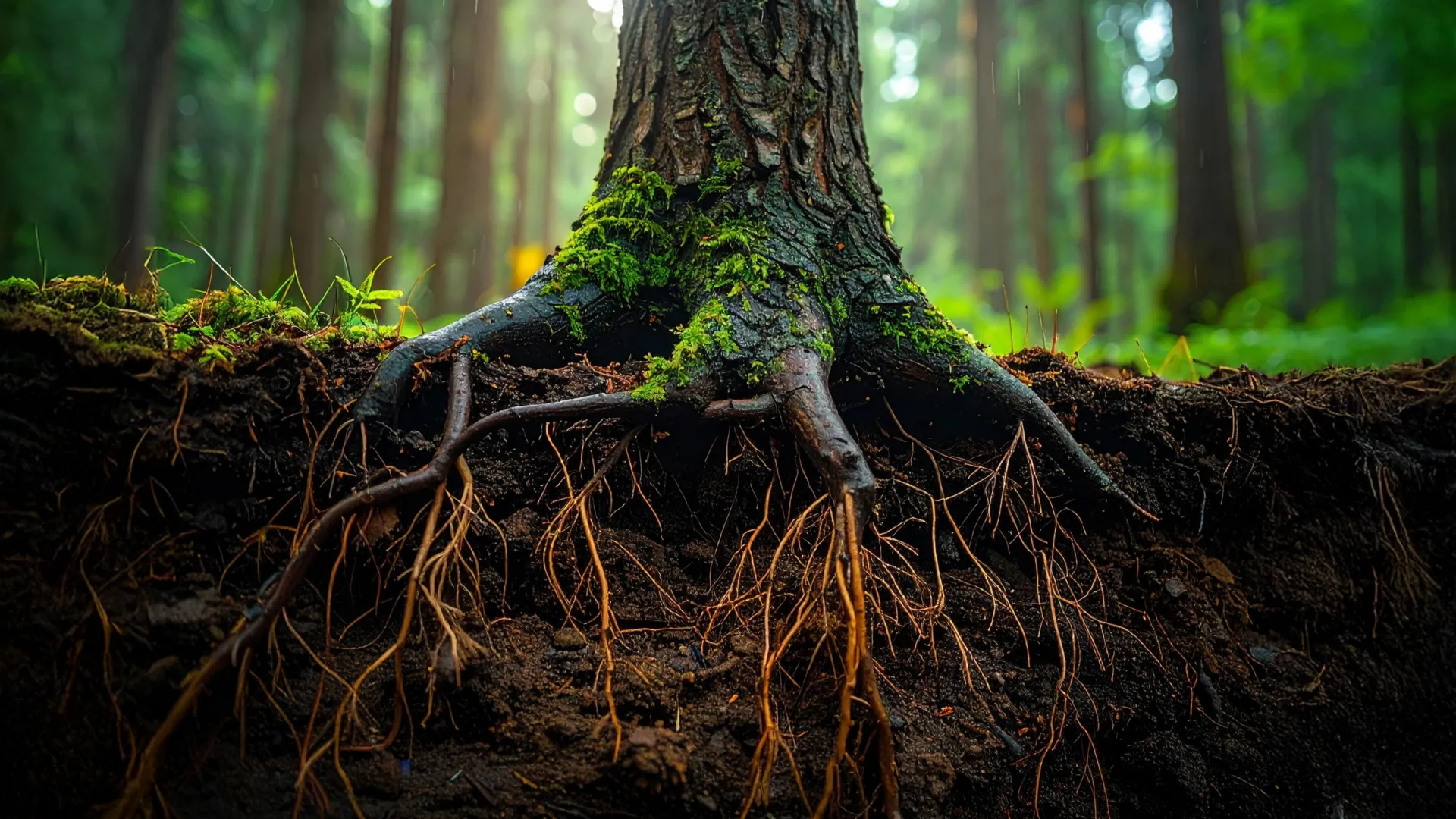
In a quiet forest near Freiburg, Germany, tiny soil microbes have been quietly pulling a powerful climate pollutant out of the air for over two decades. Scientists now know they’re doing it faster than ever. Over 24 years, forest soils across 13 sites in southwestern Germany increased their absorption of methane by about 3% each year—a surprising twist in the story of climate change. Methane, a greenhouse gas more than 25 times as potent as carbon dioxide over a century, is being broken down by invisible microorganisms in the soil before it can escape into the atmosphere. And warmer, drier conditions—often seen as purely harmful—are actually helping this natural cleanup process.
This discovery comes from the world’s most detailed long-term study of methane uptake in forest soils, led by researchers from the University of Göttingen and the Baden-Württemberg Forest Research Institute (FVA). While global reviews have suggested that climate change is weakening soils’ ability to absorb methane, this German study tells a different story. By measuring gas levels in the soil every two weeks using underground tubes and airtight surface chambers, scientists built a precise picture of how methane moves in and out of the ground. The data revealed a clear trend: as temperatures rose and rainfall declined, the soil absorbed more methane.
The reason lies beneath our feet. When soil is wet, water clogs the tiny air pockets between soil particles, blocking methane from seeping in. But drier soil has more open pores, allowing the gas to travel deeper where methane-eating microbes live. Warmer temperatures also give these microbes a slight boost, helping them break down methane more efficiently. It’s a rare climate feedback loop that works in our favor. "Our long-term data shows that climate change does not necessarily have a negative impact on how much methane forest soils absorb," says Professor Martin Maier of the University of Göttingen, who led the study. "We observed a significant long-term increase in methane uptake in the forest areas we studied."
This doesn’t mean climate change is good for forests—droughts, pests, and fires still threaten them. But it does show that nature can respond in unexpected ways. The study, published in Agricultural and Forest Meteorology, highlights the importance of long-term monitoring and regional differences in climate impacts. While wetter regions like parts of the U.S. have seen methane uptake drop by up to 80%, the drier forests of southwestern Germany are doing the opposite. Protecting and understanding these living soils could become a quiet but powerful part of the climate solution. As scientists continue to watch these forests, one thing is clear: sometimes, the smallest players are making the biggest difference.