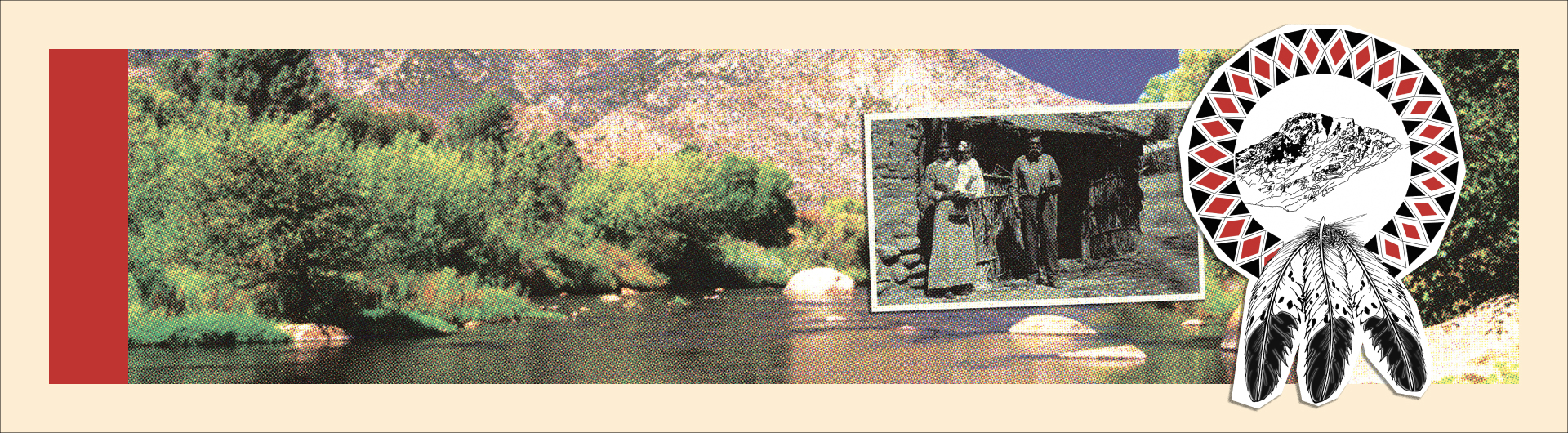
Six songs once captured on wax cylinders have been restored for the Tübatulabal people, helping bring the sound of their ancestors into a language project built for future generations.
Since 2017, California State University, Long Beach linguistics professor Michael Ahland and about 15 students have worked with the Tübatulabal tribe of California’s Kern River Valley to record, study and preserve Pahka’anil, also called Tübatulabal. The language has no native speakers left. For the tribe, which also calls itself the Pakanapul, preserving its words and stories is part of sustaining its culture and teaching the language again.
The work brings together tribal members, linguists and students. The Pakanapul Language Team, formed with linguist Lindsay Marean, had already developed teaching materials, a database of grammatical information and a writing system. Ahland’s students worked with those resources, analyzing how the language is structured and using digital tools to organize recordings and stories. Their work helped create the Pahka’anil Text Project website, where recorded material and language information can be shared and used.
The collection includes more than two dozen texts and stories, among them “How the Earth Was Made” and “Death Comes Into the World.” Many were first published by linguist Charles Voegelin, who worked on the language in the 1930s. Students and collaborators added and aligned recordings, updated grammatical information and preserved stories, songs and conversations. The Pakanapul Language Team now uses the digital materials to teach tribal members and others in Bakersfield and Lake Isabella.
One part of the project reached further back into the archive. Linguistics graduate Sergio Sandoval Sanchez, who is also a professional musician, used audio software to clean up and re-record Pahka’anil recordings originally made on wax cylinders and later given to the tribe by the Smithsonian Institution. He recovered six to seven songs. “To hear the voices of their ancestors — it was a very special project for me to do that,” Sanchez said.
Tübatulabal chairman Robert Gomez said the tribe is proud of the collaboration and that Ahland and the students have been “immensely helpful.” The project also gave students a chance to learn from tribal history, myths, values and folktales while contributing to work guided by the community. Ahland called it a combination of scientific research and support for local goals in language revitalization and reclamation.
The partnership has also led to scholarly work: some students published research with Marean and Ahland in a supplemental volume of the International Journal of American Linguistics. Ahland has completed a manuscript on the project’s findings, scheduled for publication next year by John Benjamins Publishing Co. in its “Typological Studies in Language” series. The recordings and teaching tools are already in use, giving the Pakanapul Language Team resources to carry forward its work of teaching Pahka’anil to new learners.