A new NASA astronaut could one day walk on the Moon, work at a lunar base or help prepare the first crewed missions to Mars. The application window is open for U.S. citizens who want to join the agency’s next astronaut class, with completed applications due by 11:59 p.m. EST on Thursday, Dec. 3.
The search comes as NASA plans to return people to the Moon and build a lasting human presence there. Astronauts in the next class will train for work on the lunar surface and beyond Earth, where missions will require technical skill, careful judgment and close teamwork. Their training will include spacewalking, lunar geology and operating high-performance aircraft.
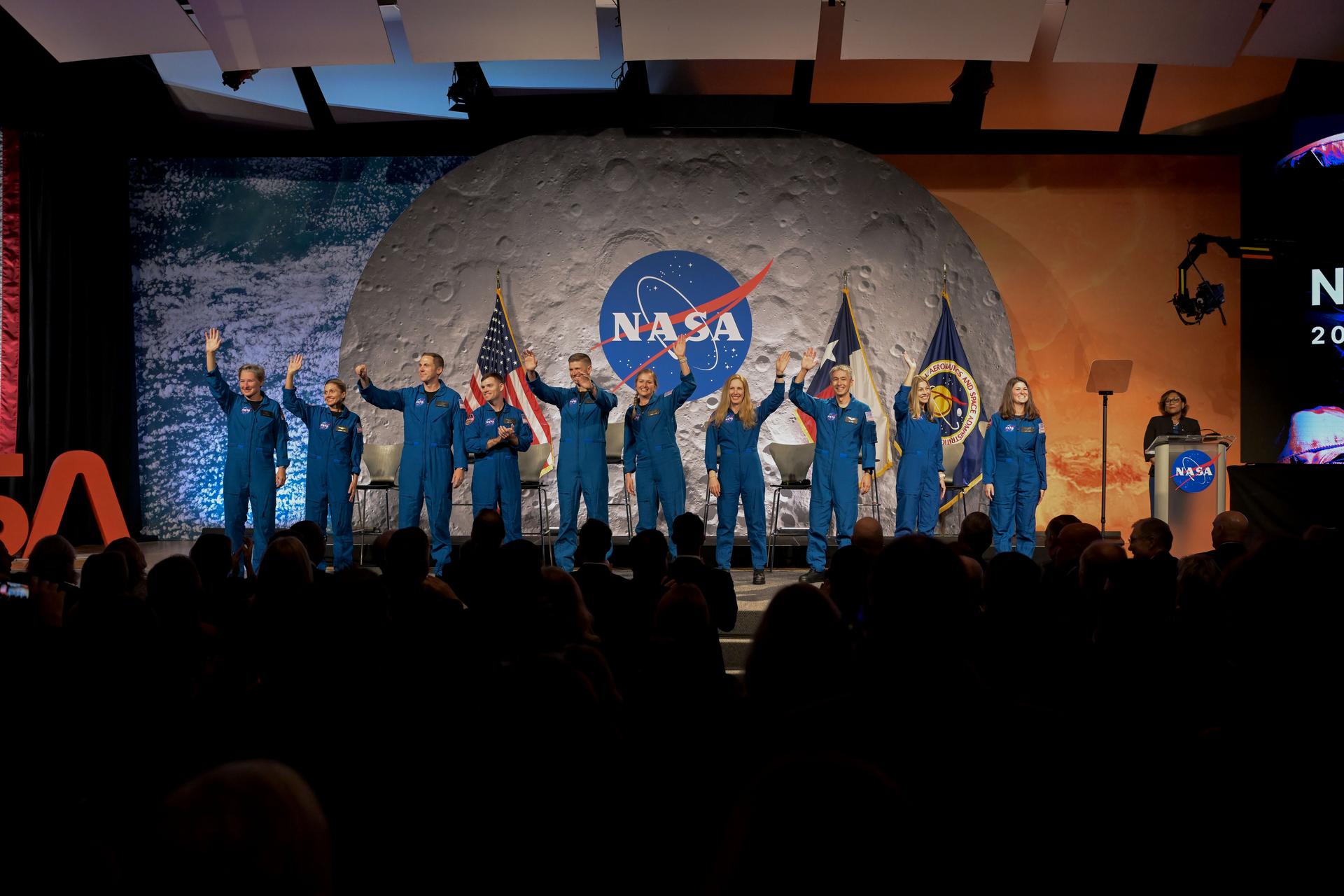
NASA expects to make its final selections in late 2027. Those chosen will begin training as astronaut candidates. The agency’s last application round, in 2024, drew more than 8,000 applicants. NASA selected 10 candidates in 2025, and they are now completing nearly two years of training.
The new applicants will join a small and storied group. Since the 1960s, NASA has selected 370 people to train as astronaut candidates. Today, 32 astronauts are active in the corps. NASA Administrator Jared Isaacman said those selected could take part in Moon missions, live and work at the planned Moon Base, and help develop the systems needed for journeys to Mars.
Applicants must be U.S. citizens and have a master’s degree in a science, technology, engineering or math field, such as engineering, biology, physics or computer science. NASA also accepts certain alternatives, including at least two years of doctoral study in a relevant field, several medical degrees, or completion of a recognized test pilot school program by July 2027. Candidates need at least three years of related work after their qualifying degree. Some pilot flight hours or medical residency training can meet that experience requirement.
Every candidate must also pass NASA’s physical for long-duration spaceflight and show strong leadership, teamwork and communication skills. The requirements reflect the demands of missions near the lunar South Pole and the agency’s longer-term plans for human exploration. NASA says its Artemis missions are intended to advance science and support an enduring human presence on the Moon.
For people who meet the requirements, the deadline is the first step toward a selection process that will stretch into 2027. NASA Deputy Administrator Matt Anderson described the opportunity as an open window to a mission still waiting. Those chosen will train for difficult work far from Earth—and may help shape what future generations know about the Moon and Mars.